Why Some Dogs Seem to Take Walks Personally
For many dogs, a walk is not just exercise. It is a highly individual ritual shaped by memory, scent, routine, social preferences, and strong opinions about where to stop, how fast to move, and what deserves attention.
Avery writes about trends, platforms, and strategic shifts in pets & animal lifestyle, with attention to what matters in practice.
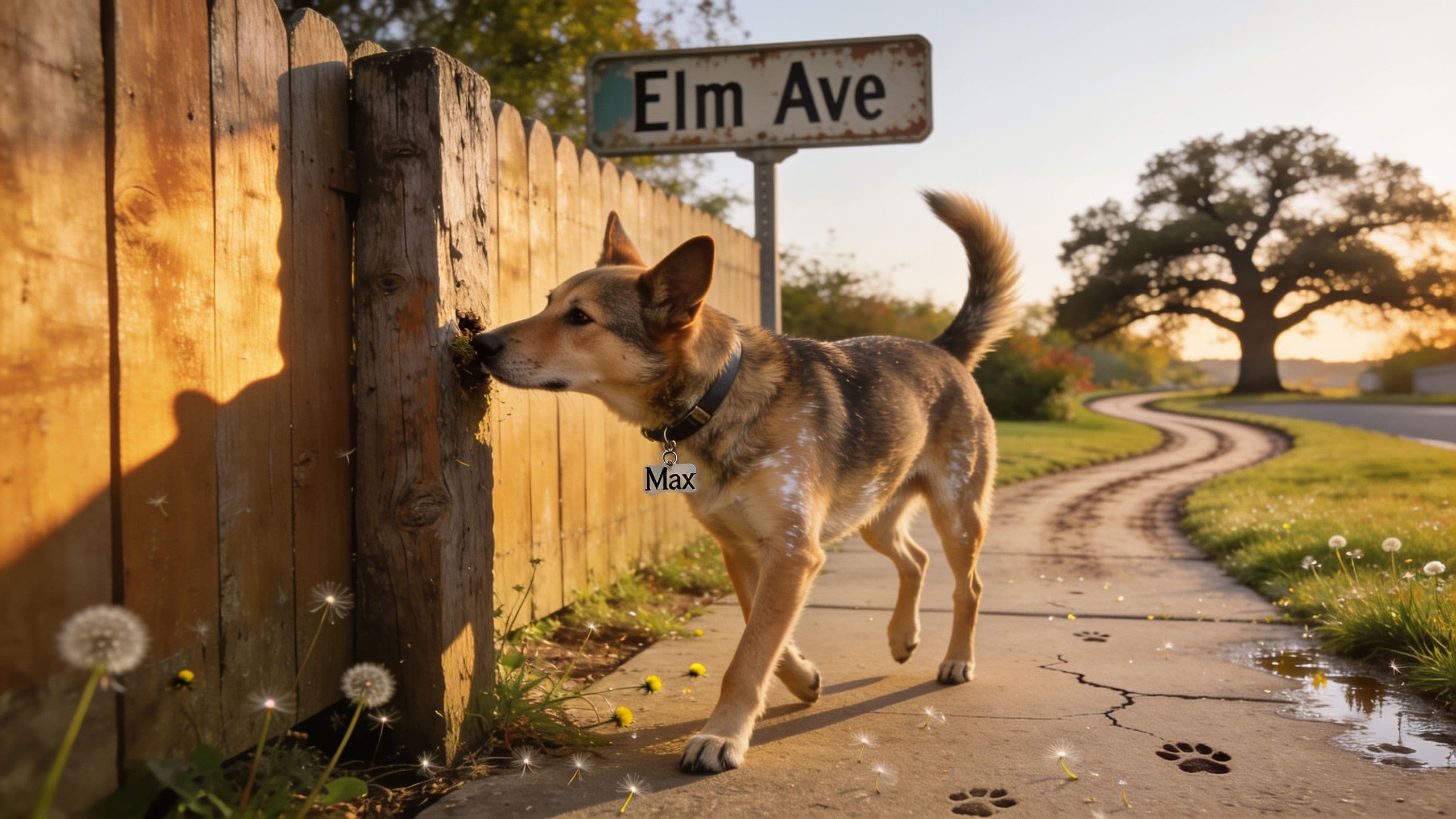
Some dogs do not simply go for walks. They conduct them.
That is why a dog can seem mildly offended when you skip the usual corner, speed past a lamppost they consider important, or choose a route that does not include their preferred hedge, mailbox, or patch of grass. What looks like stubbornness is often something more interesting: a walk has become a personal routine built from repeated sensory experiences, predictable social encounters, and the dog’s own preferences.
A human may see a loop around the block. A dog may see a sequence of landmarks, decisions, and expectations. The walk is not generic movement from point A to point B. It is a daily event with a structure the dog has learned, remembered, and in many cases helped design.
A walk is part map, part memory, part negotiation
Dogs build strong associations around repeated routes. If the same path regularly includes a favorite sniffing tree, a friendly neighbor, a quiet stretch to relax, or a corner where squirrels often appear, the route stops being random. It becomes meaningful.
Unlike humans, dogs gather much of their information through scent. A familiar street is never exactly the same to them because the odor landscape keeps changing, but the underlying pattern remains recognizable. The route contains stable markers: where other dogs pass, where food smells drift from a cafe, where traffic noise spikes, where something startling once happened, where another dog often leaves messages.
That helps explain why a dog may pull decisively toward one block and hesitate at another. They are not just remembering direction. They are remembering outcomes.
One route may predict stimulation and interest. Another may predict stress. A certain corner may mean the possibility of greeting a person they like. A long sidewalk may feel boring unless it leads to a high-value stop. Over time, dogs learn these patterns with surprising precision.
The small details dogs care about most
The easiest way to understand why walks feel personal is to look at the elements dogs tend to care about most intensely.
Pace is often a preference, not just a training issue
Some dogs like a brisk, purposeful march. Others want a stop-and-investigate stroll. Owners often frame this as good walking versus bad walking, but many dogs are expressing a natural style.
A terrier that zigzags from scent to scent may be treating the walk like a field investigation. A retriever may prefer steady forward movement with occasional social stops. A more cautious dog may move slowly through noisy or unfamiliar areas, then relax once back on known ground.
When owners rush every outing, conflict appears quickly. The dog is trying to gather information; the person is trying to log steps. That mismatch can make the dog seem difficult when the real issue is competing goals.
Favorite sniffing spots can become ritual stops
Yes, many dogs have favorite sniffing spots. These are not random pauses. They are information hubs.
A particular tree, pole, fence line, or strip of grass may be rich with scent from neighborhood dogs, wildlife, or changing environmental cues. Dogs revisit these places because they offer updates. The stop works a little like checking a bulletin board that is constantly rewritten.
Some dogs also develop emotional attachment to these stops simply because they are part of the expected sequence. If the walk always includes a sniff at the same planter and a pause near the same driveway, skipping those moments can feel like skipping a familiar chapter.
Timing matters more than owners realize
Many dogs are sensitive not only to route but to timing. The dog who wants to turn left at 7 a.m. may be anticipating the quiet version of that route, while the same dog may avoid it later when school traffic, delivery vans, or busier sidewalks change the experience.
Dogs can also learn the social schedule of a neighborhood. They may know when another dog is likely to be out, when a doorman offers attention, or when the park is crowded enough to feel exciting or overwhelming.
Four common walk personalities hiding in plain sight
Dogs vary enormously, but certain walk styles show up again and again.
The explorer
This dog treats the walk as open-ended research. They want time, access, and variety. New scents are rewarding, minor route changes are exciting, and speed is less important than coverage. These dogs often become frustrated by overly repetitive, hurried walks.
The routine lover
This dog wants the walk to unfold correctly. Same turn, same order, same notable stops. Predictability is part of the reward. These dogs often look opinionated because they are quick to notice when the routine changes. In reality, they may simply find familiar structure comforting.
The greeter
For some dogs, the route is secondary. The real highlight is social contact. They remember where familiar people live, which houses contain barking dogs, and which corners tend to produce interactions. A walk becomes personal because it is tied to relationships.
The cautious observer
This dog may not love surprise. They often prefer known paths, moderate pacing, and enough distance to assess what is happening around them. If they resist a new route, it may be less about defiance than about uncertainty. Familiarity lowers their stress and makes the walk feel manageable.
These categories overlap, and many dogs shift between them depending on age, confidence, environment, and day-to-day arousal. But they help explain why two dogs can live in the same home and treat the same walk completely differently.
Why route memory can seem almost dramatic
Owners are often struck by how exactly dogs remember where to turn, where to stop, and what comes next. That memory can look theatrical because dogs express it physically: planting their feet, leaning into the leash, speeding up at key landmarks, or stopping expectantly outside a favorite gate.
Repeated walks create chains of anticipation. If a dog has learned that the left turn leads to the park, the alley leads to the cat sighting zone, and the corner store often smells like roasted chicken, those links become strong. Memory is reinforced each time the prediction pays off.
Research on canine cognition has long supported the idea that dogs are skilled at learning environmental cues and routines, especially when those cues connect to rewards, social contact, or emotionally charged experiences. Their version of a route is likely less like a visual street map and more like a layered network of smells, sounds, surfaces, habits, and expected events.
That is also why dogs can form negative route opinions. If a garbage truck startled them on one block or an off-leash dog rushed them near a certain entrance, they may remember that location long after a human has forgotten the incident.
Better walks usually come from better observation, not stricter control
Owners do not need to surrender every outing to canine preference, but walks often improve when people notice patterns instead of fighting them.
If your dog insists on the same route every day, ask what that route provides. Is it quieter? More predictable? Richer in scent? More socially rewarding? The preference may be sensible from the dog’s point of view.
Choice matters here. Many trainers and behavior professionals now encourage a balance between structure and agency on walks, especially for companion dogs whose outdoor time is one of the few chances they get to make decisions. That does not mean letting the dog drag you wherever they want. It means building small, safe choices into the routine: allowing a longer sniff, offering two directions at a junction, or alternating between a dependable route and a more exploratory one.
The idea that sniffing itself is valuable has also gained wider attention in recent years. Organizations such as the American Kennel Club have highlighted how sniff-heavy outings can provide meaningful mental enrichment, not just physical exercise. For many dogs, a successful walk is not the one that covers the most distance. It is the one that allows enough information-gathering to feel satisfying.
A few practical adjustments can make a noticeable difference:
Leave a little extra time so the walk does not become a constant tug-of-war.
Identify one or two ritual stops your dog clearly values and include them when possible.
Notice whether your dog prefers stimulation or predictability on different days.
Use familiar routes to support nervous dogs and varied routes to enrich confident ones.
Separate "potty break" walks from "decompression" walks when your schedule allows.
The goal is not to turn every outing into a referendum run by your dog. It is to recognize that their strong opinions often come from memory, temperament, and sensory priorities, not from irrational fussiness.
What a dog’s walk style reveals
A walk can show more of a dog’s personality than almost any other daily routine. At home, many dogs adapt to the household’s schedule. Outside, their preferences become obvious. They reveal whether they are methodical or impulsive, social or private, adventurous or comfort-seeking.
That is why some dogs seem to take walks personally: to them, it is personal. The route holds history. The stops carry information. The pace reflects mood. The familiar sequence offers either excitement or reassurance.
Once an owner starts seeing the walk from that angle, many so-called quirks begin to look less like random habits and more like a dog’s very clear way of saying, this is how I like to meet the world.
Safety & Scope
This article is for general informational purposes and does not replace professional advice for complex repairs or installations.
Frequently Asked Questions
+Why does my dog insist on the same route every day?
Many dogs prefer the same route because it is predictable, familiar, and rewarding. They may know where favorite sniffing spots, friendly people, or quieter stretches are located. For cautious dogs, repetition can also reduce stress.
+Do dogs have favorite sniffing spots?
Yes. Dogs often return to the same trees, poles, fences, or grassy patches because those areas hold layered scent information from other dogs, wildlife, and the environment. These spots can become part of a meaningful routine.
+How much choice should I give my dog on walks?
A reasonable amount of safe choice can make walks more satisfying. Letting your dog sniff, pause, or choose between two directions at times can reduce frustration and add mental enrichment. The best balance depends on your dog’s confidence, training, and environment.