Why Pets Choose the Busiest Room in the House
Many pets gravitate to kitchens, hallways, and home offices for a simple reason: those spaces put them closest to people, routines, and the most useful information in the home.
Avery writes about trends, platforms, and strategic shifts in pets & animal lifestyle, with attention to what matters in practice.
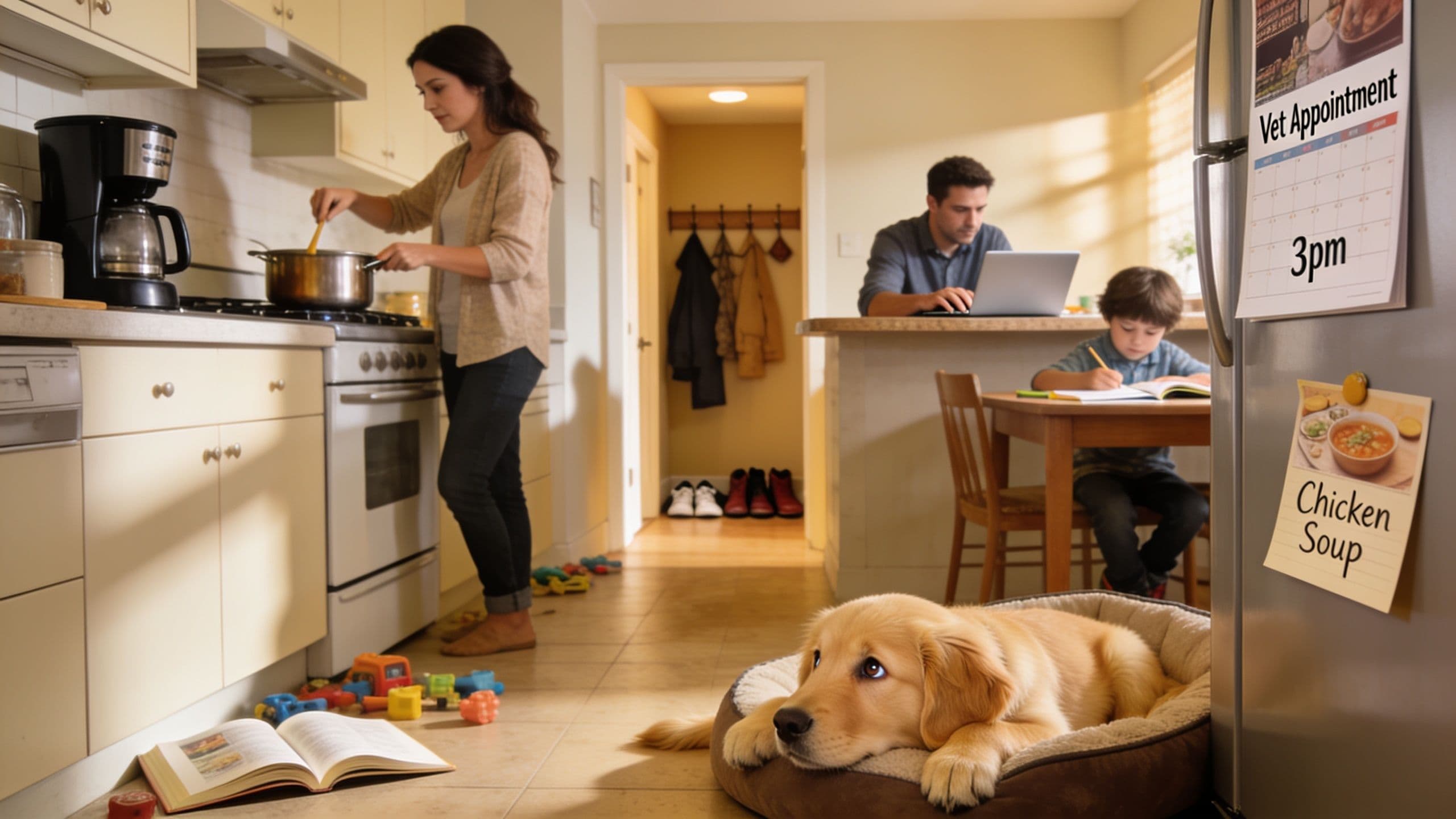
If pets wanted silence above all else, they would not keep parking themselves in kitchen doorways, hallway intersections, or directly beside a desk chair. Yet many do exactly that. The busiest room in the house often gives animals what a quiet spare room cannot: a reliable view of the household, steady access to people, and constant clues about what might happen next.
For dogs, cats, and even some small pets, these active zones function like a control tower. From there, they can monitor movement, stay included, and respond quickly when something interesting begins, whether that is dinner prep, a visitor at the door, or the moment someone stands up from a laptop.
Busy rooms offer the best mix of social access and information
Animals are not only looking for comfort. They are also looking for information. A kitchen or home office is full of signals: footsteps, voices, food smells, opening cabinets, keys being picked up, and chairs moving across the floor. To a pet, those details are not background noise. They are data.
That matters because domestic animals learn household patterns with impressive precision. A dog may know the difference between the sound of a snack drawer and a work bag zipper. A cat may appear asleep in the hallway but still track who is moving between rooms. The busiest spaces provide the highest concentration of these cues.
There is also the social advantage. In a quiet back room, a pet may be physically comfortable but socially disconnected. In a central room, they have better odds of interaction: a glance, a greeting, a scratch behind the ears, a dropped crumb, a chance to follow someone, or simply the reassurance that their people are nearby.
This is one reason pets often choose location over luxury. A plush bed in an empty room can lose to a hard patch of floor in the middle of family traffic if that spot keeps them close to the action.
Dogs, cats, and small pets want different things from the same space
Dogs often camp out where routines begin
Dogs commonly favor active rooms because household motion predicts opportunity. The kitchen may mean food. The hallway may mean walks. The home office may mean proximity to their favorite person for hours at a time.
Many dogs are routine-driven and strongly attuned to human behavior. If someone moves toward the coat closet, reaches for shoes, or heads to the refrigerator, a dog positioned in a central location can react immediately. That makes busy rooms especially appealing to social, food-motivated, or companion-oriented dogs.
Some dogs also seem to prefer being where they can monitor multiple pathways at once. A spot between the kitchen and living room, for example, lets them keep tabs on everyone without having to choose a single person or room.
Cats often want front-row access with an exit plan
Cats are often described as independent, but many are deeply interested in household activity. Their version of participation can just look more strategic. Rather than planting themselves in the center of a room, they may select the edge of a hallway, the top of a nearby chair, or a perch in the office that gives them visibility without forcing close contact.
For cats, a busy room can offer ideal observational value. They can watch people, track motion, and stay involved while preserving personal space. That is why many cats choose active-adjacent locations: near the kitchen, beside the stairs, or just outside the room where everyone gathers.
The key difference is that cats often prefer control over distance. They may want inclusion, but on terms that allow easy retreat.
Small pets can enjoy activity if security comes first
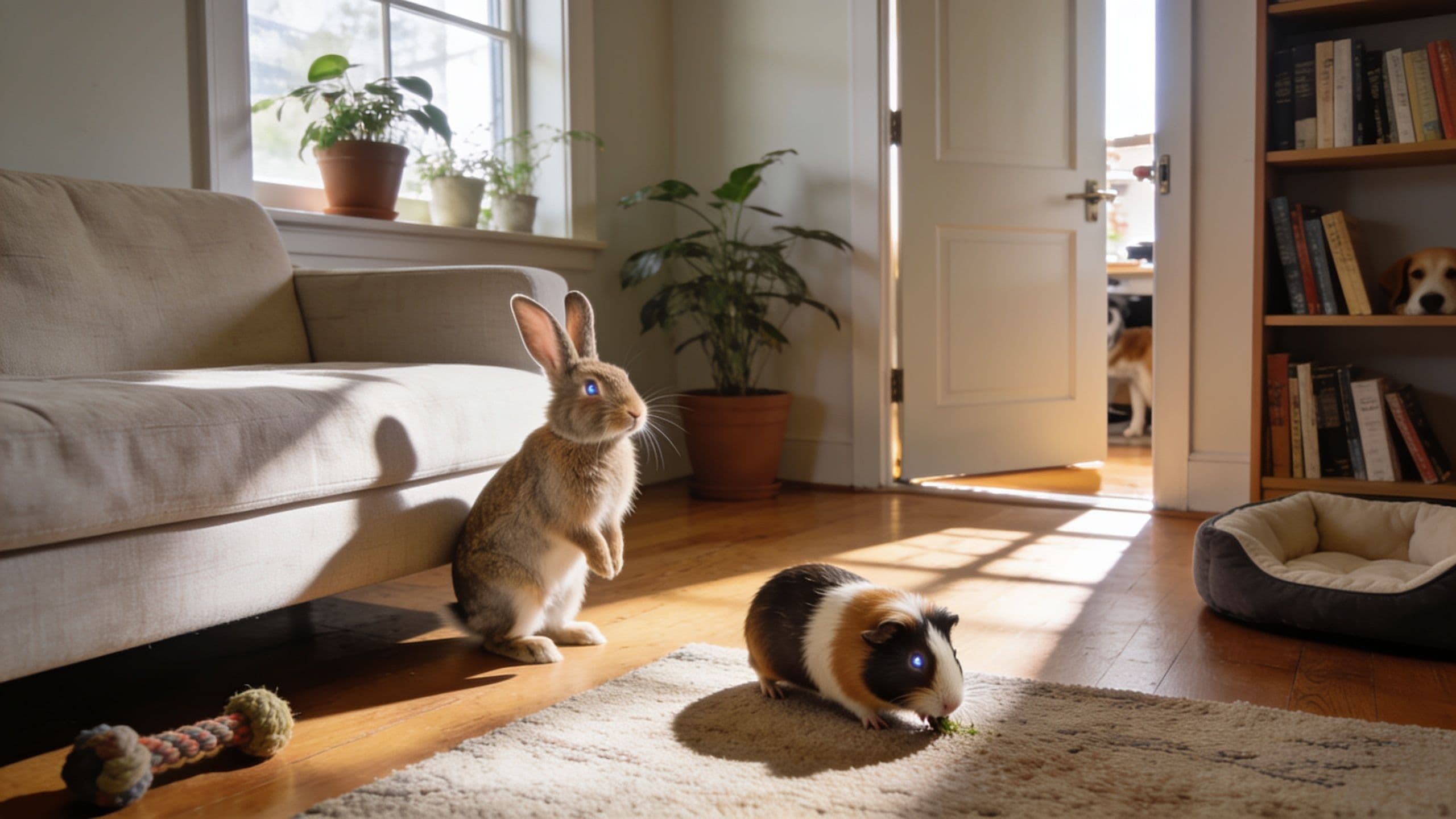
Rabbits, guinea pigs, and some birds may also seem more settled when they are near regular household life rather than isolated in a low-use room. Many social species benefit from seeing and hearing familiar people throughout the day.
But for smaller animals, exposure only works if the setup feels safe. A secure enclosure, protected corner, stable routine, and freedom from sudden grabbing or looming foot traffic are essential. Activity can be enriching; chaos is not.
Choosing the busiest room can signal confidence, attachment, and anticipation
A pet that prefers a high-traffic area is often telling you something useful about its temperament and priorities.
One possibility is social confidence. Pets that are comfortable around movement, everyday noise, and frequent transitions may simply enjoy being embedded in family life. They do not experience routine bustle as a problem.
Another clue is attachment. Some animals choose active rooms because they want the shortest possible distance from their people. This is not always anxiety. Often it is preference: they like contact, familiarity, and staying looped into whatever the household is doing.
Busy-room choices can also reflect anticipation. Pets quickly learn that important events happen in certain places. Meals start in the kitchen. Walks begin near the door. Workdays happen in the office. Even if nothing is happening right now, those rooms are where things tend to happen eventually.
That expectation can be powerful. It explains why a pet may settle in a spot that seems inconvenient to humans but makes perfect sense from an animal's perspective. They are not choosing random floor space. They are choosing a place with the highest likelihood of relevance.
Noise is not always the drawback humans assume it is
People often think a pet in a busy room must be tolerating the space despite the noise. In many cases, the activity is part of the attraction.
Pets do not evaluate environments exactly as humans do. A room that feels hectic to you may feel stimulating and reassuring to them, especially if the sounds are familiar and predictable. The everyday clatter of dishes, keyboard tapping, conversation, and footsteps can signal normalcy.
What matters more than volume alone is whether the activity feels safe and legible. Predictable household noise is very different from startling or uncontrollable noise. A dog stretched out in the kitchen while dinner is being made is likely comfortable with that pattern. The same dog may dislike a blender, fireworks, or a crowded party because those experiences are more intense or less predictable.
This is also why pets may seek out activity during the day but still want a quieter sleeping place at night. Preference is contextual, not fixed.
How to make high-traffic spaces comfortable without making pets underfoot
If your pet consistently chooses the busiest room, the goal is not to force them into a quieter area they do not want. It is to make their preferred zone safer and more comfortable while preserving access to calmer retreat options.
Start by giving them a designated resting place near the action. That could be a washable mat by the kitchen wall, a bed near the office desk, or a cat perch adjacent to the living area. Placement matters more than price. A premium bed hidden away is less useful than a simple one in the right location.
Next, reduce the risk of them being stepped on or tripped over. Pets often choose pinch points like doorways and narrow hall transitions because those spots maximize observation. Gently redirecting them to a nearby bed or rug can preserve the social benefit without putting them directly in the flow of traffic.
For cats, vertical space can solve several problems at once. A sturdy shelf, window perch, or cat tree near a busy room allows visibility and inclusion with less risk of accidental disturbance.
For dogs that shadow every movement, teaching a reliable "place" cue can help them stay included without constantly weaving through legs. For small pets, keep enclosures near activity but out of drafts, direct sun, and constant reach from children or other animals.
Most importantly, maintain choice. Even highly social pets benefit from having an alternative quiet area. The healthiest setup usually includes both: a front-row seat for daily life and a retreat for uninterrupted rest.
A pet in the busiest room is rarely making a strange decision. More often, they are choosing the part of the home that feels richest in connection, cues, and routine. To them, that room is not just noisy. It is where life happens.
Safety & Scope
This article is for general informational purposes and does not replace professional advice for complex repairs or installations.
Frequently Asked Questions
+Why does my pet always lie in the kitchen?
The kitchen combines people, food-related smells, and predictable routines, so many pets see it as one of the most rewarding places in the home. It offers a strong chance of interaction and lets them monitor what happens next.
+Do pets prefer being around people even when it is noisy?
Many do, especially if the noise is familiar and predictable. Everyday household activity can feel reassuring and interesting, though most pets still appreciate a quieter retreat for rest.
+How do I keep pets comfortable in high-traffic areas?
Place a bed, mat, or perch near the action but just outside the main walking path. Give pets a clear resting spot, reduce tripping hazards, and make sure they also have access to a quieter area when they want space.