When One Pet Becomes the Household Watcher
In many homes, one animal ends up acting like the unofficial lookout, tracking doors, windows, hallways, and family movement with unusual focus. That role is often a mix of temperament, routine, and subtle reinforcement rather than simple anxiety or stubbornness.
Avery writes about trends, platforms, and strategic shifts in pets & animal lifestyle, with attention to what matters in practice.
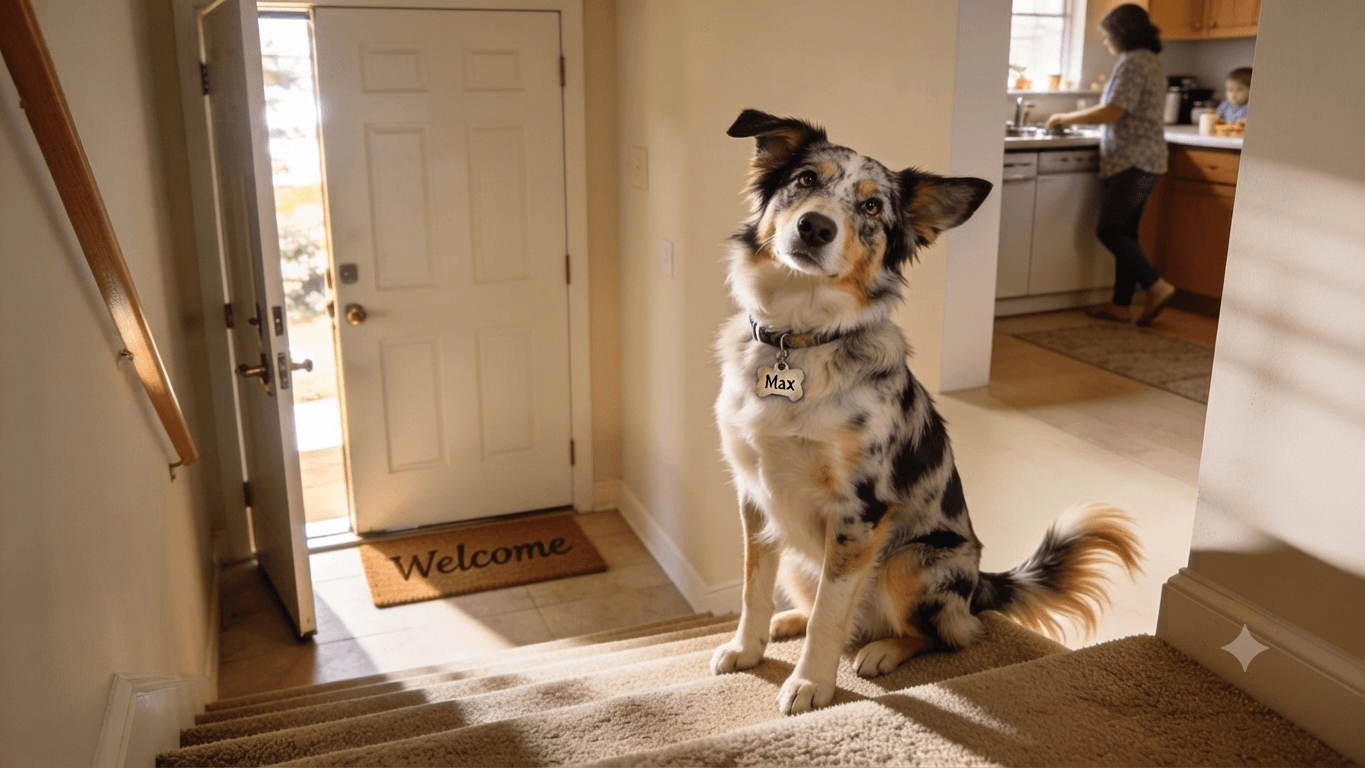
Some pets seem to appoint themselves as the household observer long before anyone notices the pattern. They are the first to hear a delivery truck, the one already posted by the front window before a family member pulls into the driveway, or the animal that shifts position every time someone moves from room to room. In multi-pet homes especially, this kind of vigilance often settles unevenly: one pet watches, another naps through everything, and a third only reacts once the commotion begins.
That does not always mean the “watcher” is the most nervous pet in the house. Often, it is the one whose personality, confidence, and daily habits make surveillance feel rewarding.
The signs of a self-appointed lookout
Watcher behavior usually has a pattern. The pet is not simply startled by random noise; it consistently places itself where information flows best.
A dog may rotate between the front door, a hallway with a clear view of bedrooms, and the living room window that faces the street. A cat may claim the back of the sofa, a stair landing, or a tall cat tree near a window where it can monitor both the outdoors and the family at once. Rabbits, guinea pigs, and other small pets may be less dramatic, but they often reveal the same role through freezing, orienting their ears, and scanning before the rest of the household even notices a change.
Common watcher habits include:
Monitoring arrivals and departures with unusual precision
Reacting first to routine sounds such as keys, elevators, garage doors, or footsteps in the hall
Choosing resting spots based on visibility rather than softness alone
Tracking family movement from room to room without necessarily following physically
Remaining alert during transitions like school mornings, dinner prep, or bedtime
In many homes, the watcher is not always the loudest pet. Some are vocal alerters, barking or meowing at every shift. Others are quiet sentinels who simply lift their head, change posture, and stare toward the source of change. Owners often learn to read that body language as an early warning system.
Why one pet takes the job and the others do not
Personality is a major factor. Bold, observant, environmentally engaged animals are more likely to settle into a monitoring role. They seem to enjoy being informed. For dogs, that can overlap with social awareness: knowing who is coming, who is leaving, and where the family unit is gathered. For cats, it often looks more territorial and strategic, centered on sightlines and controlled vantage points.
Routine matters just as much. If a pet happens to be at the window when the mail carrier arrives, and the household responds every day to that alert, the behavior can become self-reinforcing. The same is true if a dog gets praised for noticing a visitor, or if a cat learns that sitting by the kitchen entrance gives it advance notice of feeding time. Over time, the animal is not merely reacting; it is practicing a role.
In multi-pet households, roles can also emerge through contrast. One pet may be more physically confident, so it takes on surveillance while another defers. One may prefer social contact and become the greeter, while the watcher hangs back and studies the situation first. This kind of division is not formal or conscious in a human sense, but many homes develop stable patterns where each animal contributes differently to the household rhythm.
Breed tendencies and species-specific instincts can shape the role, but they do not fully determine it. Herding breeds, terriers, and guardian-type dogs may be more prone to environmental monitoring, yet plenty of mixed-breed couch dogs become devoted hallway patrol officers. Likewise, some cats are deeply invested in overseeing every opening and threshold, while others can sleep through a vacuum cleaner.
Dogs, cats, and small pets watch in different ways
Dogs: social patrol and threshold control
Dogs often focus on what matters socially: the front door, the path between family members, the sound of a car pulling in, or movement outside the home boundary. A dog watcher may patrol rather than perch, checking key zones in sequence. Many choose spots where they can both observe and intervene quickly, such as a rug near the entrance or a landing with views into multiple rooms.
Because dogs are responsive to family emotion, their vigilance can intensify during busy or uncertain periods. A new baby, houseguests, construction noise, or a schedule change can all make a watchful dog feel that more monitoring is necessary.
Cats: visual command posts
Cats often express vigilance through altitude and angles. They seek visual control points: windowsills, shelves, staircase turns, bed corners, or furniture backs with broad sightlines. The watcher cat may seem detached, but it is often gathering information constantly.
This is one reason a cat may always sit by the window. The window offers stimulation, territorial awareness, and predictive data. Birds, neighboring animals, delivery patterns, and family arrivals all pass through that frame. For some cats, the appeal is less about hunting and more about maintaining awareness of the territory.
Small pets: scan, pause, assess
Rabbits and other prey animals may become household watchers in subtler ways. Their version of vigilance often includes stillness, ear rotation, and rapid orientation toward sound. Because these animals are built to detect change quickly, a “watcher” role can look like hyper-awareness even in a calm environment.
What matters is context. If the pet returns to resting, eating, and exploring after a scan, the vigilance is likely functional. If it remains tense and difficult to settle, the environment may be too stimulating.
When the household watcher is genuinely useful
There is a practical upside to living with a watchful pet. These animals often become excellent readers of routine, and their behavior can reveal environmental triggers that humans miss.
A dog stationed by the window may be reacting not to “nothing,” but to the same school bus brakes every afternoon. A cat lingering near a hallway may have learned exactly when a family member usually returns from work. A rabbit that repeatedly freezes at a certain time may be responding to a building noise, appliance cycle, or neighboring pet.
The watcher can also help signal household change early. Many owners notice that their most observant pet responds first to schedule disruptions, unfamiliar visitors, storms, or renovations. That response is not mystical; it reflects attention to patterns. Pets are skilled at detecting small deviations in sound, movement, and timing.
In a balanced form, this role can give an animal a sense of predictability. Monitoring familiar transitions may feel satisfying, particularly for pets that like structure and awareness.
Helping a watchful pet switch off
The goal is not to erase vigilance altogether. It is to keep useful awareness from turning into chronic over-focus.
Start with the environment. If a pet is overstimulated by constant street activity, limit the intensity of the view rather than expecting endless self-control. Window film, adjusted blinds, white noise, and softer evening lighting can reduce the number of triggers. For dogs who react to hallway sounds in apartments, strategic rugs, door draft blockers, or a fan near rest areas can help blunt the sharpness of outside noise.
Then create a true off-duty zone. Many pets never fully relax because their bed is placed where too much happens. A rest area works best when it is comfortable, partially sheltered, and not the best observation post in the house. For cats, that may mean a covered bed away from the main traffic line. For dogs, it might be a mat in a quieter room rather than directly facing the front entry.
Reward the downshift, not just the alert. Owners often accidentally reinforce vigilance by responding enthusiastically every time the pet notices something. It helps to acknowledge the alert briefly, then reinforce quiet recovery: returning to bed, looking away from the window, taking a chew, settling on a mat, or engaging in a calm routine.
Predictable enrichment also matters. A pet with a strong monitoring drive often benefits from activities that use the same brain in a less exhausting way. Sniff walks, food puzzles, scatter feeding, climbing options for cats, and safe hide-and-seek games can satisfy observation and problem-solving without keeping the animal on edge.
If vigilance begins to crowd out sleep, eating, play, or normal social behavior, that is a sign the role is becoming too heavy. A household watcher should still be able to rest.
The pet by the window or at the hallway corner is often doing more than reacting to noise. It may be expressing a stable household role shaped by temperament, repetition, and the architecture of the home itself. In many cases, that unofficial lookout is not trying to be difficult or dramatic. It has simply become the animal most tuned in to the flow of the place, and with a little support, it can keep that role without carrying the whole house on its shoulders.
Safety & Scope
This article is for general informational purposes and does not replace professional advice for complex repairs or installations.
Frequently Asked Questions
+Why does one of my pets always sit by the window?
Windows offer information. A pet may sit there to track movement outdoors, predict arrivals, monitor territory, or stay mentally engaged. For cats especially, a window can function like a command post, while dogs may use it to watch for socially important events such as family members coming home.
+Can pets assign themselves roles in a household?
Not in a formal human sense, but stable roles often emerge. One pet may become the watcher, another the greeter, and another the one that avoids commotion. These patterns usually develop through personality differences, repeated routines, and the way each animal experiences the home environment.
+How do I help an overly watchful pet relax?
Reduce unnecessary triggers, create a quieter rest area away from prime observation spots, and reward calm recovery after an alert. It also helps to provide enrichment that channels attention in a less stimulating way, such as sniffing games, food puzzles, or climbing and hiding options. If the pet struggles to sleep or settle, the environment may need further adjustment.