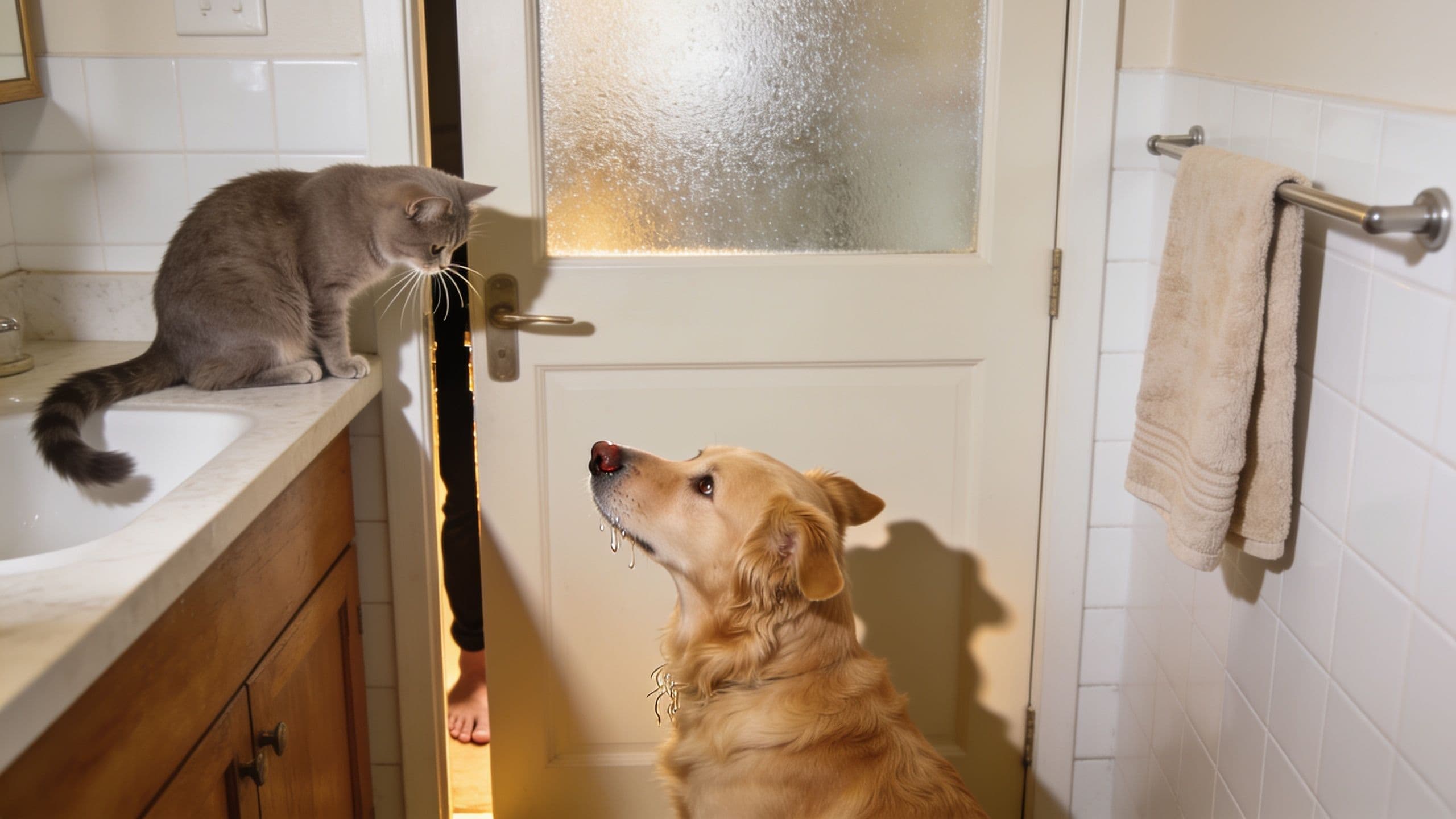
Building a Stronger Bond with Your Pet: Practical Ways to Deepen Your Connection
Discover how to deepen your connection with your pet through practical, everyday actions that enhance communication, trust, and shared joy for dogs, cats, and other beloved companions.
Maya covers pets & animal lifestyle with an emphasis on practical analysis, products, and real-world impact.

Understanding the Foundations of Your Relationship
Building a stronger bond with your pet starts with recognizing their unique personality and communication style. Dogs, cats, rabbits, and other popular companion animals each express affection and affection differently. For instance, while dogs may show excitement by wagging their tails and seeking eye contact, cats often prefer subtle gestures like slow blinking or gentle head nudges. Recognizing these signals is the first step to responding authentically and nurturing trust.
The Role of Consistent Interaction and Routine
Pets thrive on consistency. Establishing daily routines around feeding, playtime, and quiet bonding moments creates a sense of security that strengthens your relationship. For dog owners, dedicating time for regular walks and training sessions not only reinforces good behavior but also builds mutual understanding. Cat owners can enhance their bond by incorporating interactive play sessions using toys that stimulate hunting instincts, such as feather wands or laser pointers, encouraging engagement without overwhelming the animal.
Enhancing Communication Through Positive Reinforcement
Effective communication hinges on clear signals and rewarding desired behaviors. Instead of focusing on correcting unwanted actions, using positive reinforcement techniques encourages your pet to associate you with pleasant experiences. Treats, verbal praise, and affectionate touch during or after desirable behavior reinforce learning and connection. Research in animal behavior published by institutions such as the American Society for the Prevention of Cruelty to Animals (ASPCA) emphasizes that positive reinforcement fosters a cooperative relationship built on trust rather than fear.
Exploring New Activities to Deepen Trust
Engaging in new activities offers opportunities to deepen your bond beyond routine interactions. For example, teaching your dog new commands or tricks enhances mental stimulation and mutual respect. For cats, introducing puzzle feeders or safe exploration time in new environments can increase curiosity and engagement with you as a facilitator. Similarly, gentle grooming sessions tailored to your pet’s preferences not only maintain coat health but communicate care and attentiveness.
Navigating Challenges With Patience and Observation
Every pet-owner relationship faces moments of misunderstanding or stress. Behavioral quirks like a dog’s fear of loud noises or a cat’s occasional aloofness can test patience. Instead of forcing interaction, observing body language and adjusting your approach helps maintain respect for boundaries. Consulting with certified animal behaviorists or trainers can offer targeted strategies tailored to your pet’s needs without resorting to harsh methods.
Practical Tips for Everyday Closeness
Mindful Presence: Spend undistracted time daily simply being with your pet, whether cuddling or quietly observing.
Celebrate Small Wins: Acknowledge incremental progress in training or socialization to build confidence.
Customize Your Approach: Recognize your pet’s unique likes and dislikes, adjusting play and affection accordingly.
Physical Contact: Respect your pet’s comfort levels; some thrive on touch, while others prefer space.
Incorporating these practices transforms routine care into meaningful encounters that enrich both your and your pet’s lives.
Final Thoughts
Building a closer bond with your pet is a dynamic journey combining empathy, consistency, and joyful shared experiences. It’s not about perfection but progress, learning each day how to better meet your companion’s emotional and physical needs. As you tune into your pet’s language and respond thoughtfully, you create a partnership that brightens everyday life and deepens over time.
Safety & Scope
This article is for general informational purposes and does not replace professional advice for complex repairs or installations.
Frequently Asked Questions
+What should readers understand first about building a stronger bond with their pet?
Understanding your pet’s unique personality and communication methods is crucial. Recognizing how your pet expresses affection or discomfort helps you respond in ways that foster trust and connection.
+What are the most useful examples or use cases for building a stronger bond with your pet?
Regularly engaging in structured activities like training, interactive play, and grooming can deepen your bond. Tailoring these activities to your pet’s preferences—such as puzzle feeders for cats or obedience training for dogs—builds trust and enjoyment.
+What mistakes should I avoid when building a stronger bond with my pet?
Avoid inconsistent routines, relying on negative reinforcement or punishment, and ignoring your pet’s body language. Forcing interaction or overlooking their individual comfort can erode trust and hinder bonding.