Choosing the Right Pet for Your Lifestyle: Making a Match That Lasts
Finding a pet that fits your daily life can transform companionship into joy rather than challenge. Learn how to select the right animal based on your schedule, living space, and personality traits to foster a thriving relationship with your furry, feathered, or scaled friend.
Jordan specializes in turning complex pets & animal lifestyle topics into clear, useful explainers for everyday readers.

Understanding Your Daily Rhythm and Space
The foundation of choosing the right pet lies in a clear-eyed look at your everyday life. Busy professionals with long workdays away from home might find a low-maintenance pet like a cat or certain small mammals easier to care for than a high-energy dog who demands frequent walks and constant interaction. Conversely, those with flexible schedules and active lifestyles might thrive with a dog breed known for companionability and exercise needs.
Living space equally shapes pet suitability. Apartment dwellers often opt for pets with lower space requirements—some cat breeds, rabbits, or even reptiles—since sprawling yards aren’t available. On the flip side, suburban or rural residents with open areas can consider larger dogs or small herding breeds that enjoy outdoor activity and room to roam.
Matching Temperament: Personality of Owner Meets Personality of Pet
Pets have distinct behavioral tendencies. Cats are often more independent, sometimes aloof, but delight in their moments of affection and play. Dogs generally seek social bonds and active engagement. Understanding your own temperament helps bridge a successful match: introverted or homebound individuals may prefer the quieter company of a cat or the calm presence of fish, while outgoing seekers of daily activity might favor dogs who thrive on regular exercise and stimulation.
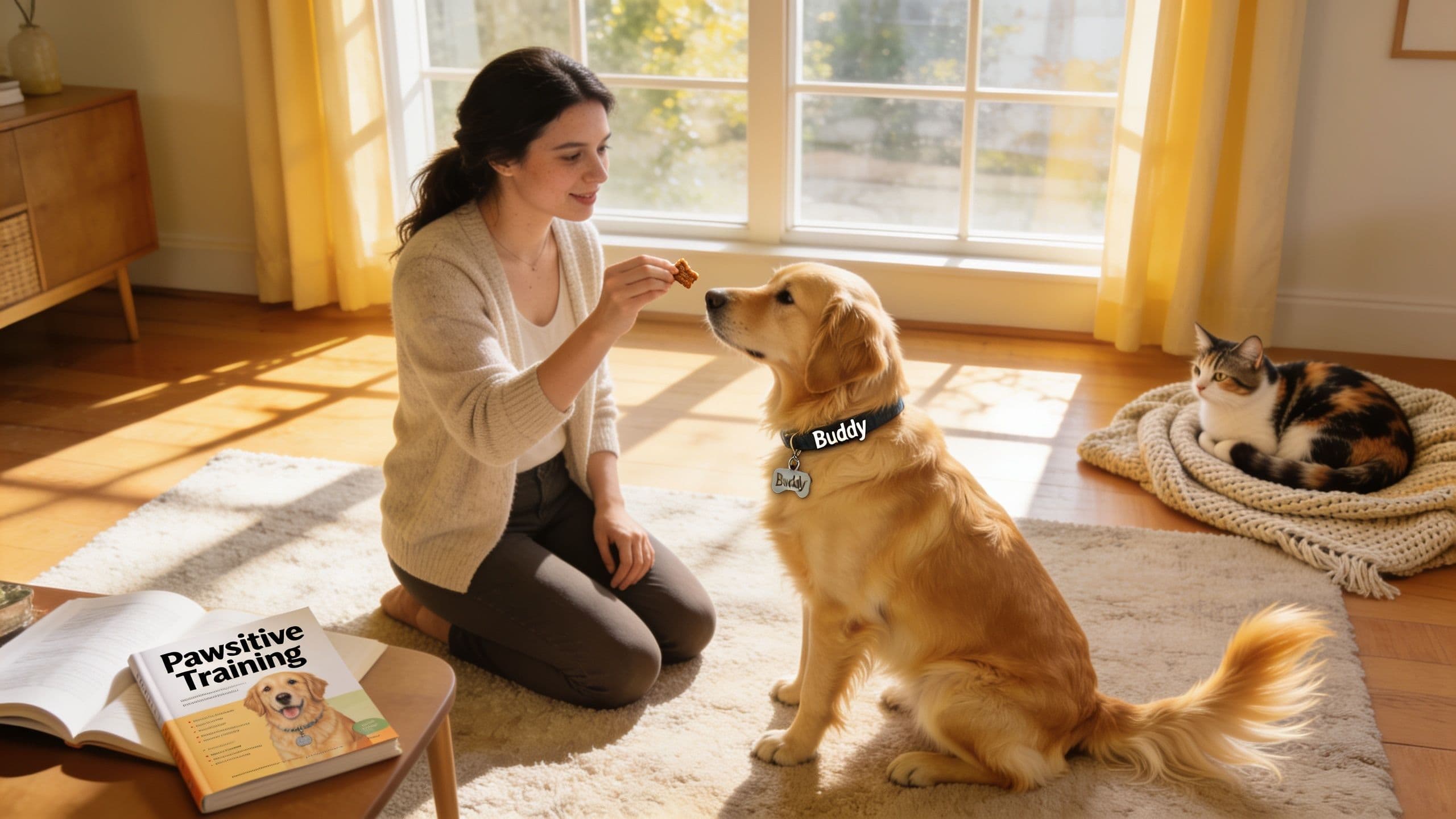
Consider temperament traits like patience and energy levels. Young children, for instance, usually benefit from a sociable dog breed that tolerates the unpredictable nature of play, such as Golden Retrievers or Beagles. In contrast, more reserved households might gravitate toward pets who appreciate gentle interaction, like certain cat breeds or guinea pigs.
Lifestyle Commitments and Pet Care Realities
Every pet invites commitments that ripple through daily routines. Feeding schedules, grooming needs, training, and healthcare are all practical considerations.
Dogs often require scheduled walks, socialization, and sustained training, which can be demanding but deeply rewarding. Cats need less hands-on training but benefit from enriched environments and consistent litter maintenance. Small mammals and birds may have specific habitat and diet requirements that ask for regular attention but less direct interaction.
Travel habits also affect pet choice. Frequent travelers may prefer pets able to be left alone longer or easily boarded. Some owners establish pet care networks or professional pet-sitting services, but not all pets react well to new caregivers. This demands foresight when selecting your companion.
Comparing Popular Companion Options
Dogs: Loyal and engaging, dogs suit active lifestyles or families. Certain large breeds require significant exercise space and time, while smaller or older dogs may adapt better to quieter living situations.
Cats: Elegant and often independent, cats fit diverse homes, from studios to houses. Variations exist, with some breeds being highly social and playful, others more reserved.
Small Mammals (rabbits, guinea pigs): These animals can be affectionate and relatively easy care but do require gentle handling and habitat upkeep.
Birds: Ranging from parakeets to parrots, birds are vibrant but often demand mental stimulation and social interaction.
Practical Steps to Finding Your Ideal Pet
1. Evaluate your week: When and how often will you be with your pet? What energy are you prepared to invest? 2. Research breeds and species: Learn behavioral traits, care demands, and typical lifespans. 3. Meet potential pets: Visit shelters or breeders to observe personalities and responses. 4. Consider rescue animals: Many shelter pets come with histories that help you gauge temperament and needs. 5. Prepare your home: Ensure your space can safely accommodate your future pet’s needs.
Final Thoughts: Building a Lasting Bond
Choosing the right pet is as much about mutual compatibility as it is about lifestyle alignment. It’s about finding a companion whose rhythm complements yours, whose needs you can comfortably meet, and whose presence enriches your day-to-day existence. The right pet fits not just your living arrangement but your heart—and when that happens, the relationship can thrive for years.
For ongoing inspiration and practical tips on companionship and care, keeping an eye on evolving trends in pet behavior and lifestyle integration remains key to nurturing a happy, healthy bond with your animal friend.
Safety & Scope
This article is for general informational purposes and does not replace professional advice for complex repairs or installations.
Frequently Asked Questions
+What should readers understand first about choosing the right pet for your lifestyle?
The most critical understanding is an honest evaluation of your daily routine, living environment, and personal preferences. Matching these elements with a pet’s needs and temperament sets the foundation for a successful, lasting relationship.
+What are the most useful examples or use cases for choosing the right pet for your lifestyle?
For example, a professional who works long hours might do well with an independent cat or small mammal that requires less constant attention. Conversely, an active family with children might prefer a friendly dog breed like a Labrador Retriever that enjoys play and socializing. Urban apartment dwellers might seek smaller or less energetic pets that thrive indoors.
+What mistakes should I avoid with choosing the right pet for your lifestyle?
Avoid selecting a pet based solely on appearance or fleeting emotions without considering lifestyle compatibility. Neglecting to research the pet’s care needs, energy levels, or temperament can lead to mismatched expectations and difficulties in care. Also, underestimating the time, financial, and emotional investment required can cause stress for both owner and pet.