The Best Seat in the House Belongs to the Pet: Why Favorite Spots Matter
Pets do not claim the sofa, windowsill, or your favorite chair by accident. Their preferred spots reveal how they balance warmth, visibility, routine, and closeness, and those choices can help owners design a calmer, more harmonious home.
Jordan specializes in turning complex pets & animal lifestyle topics into clear, useful explainers for everyday readers.
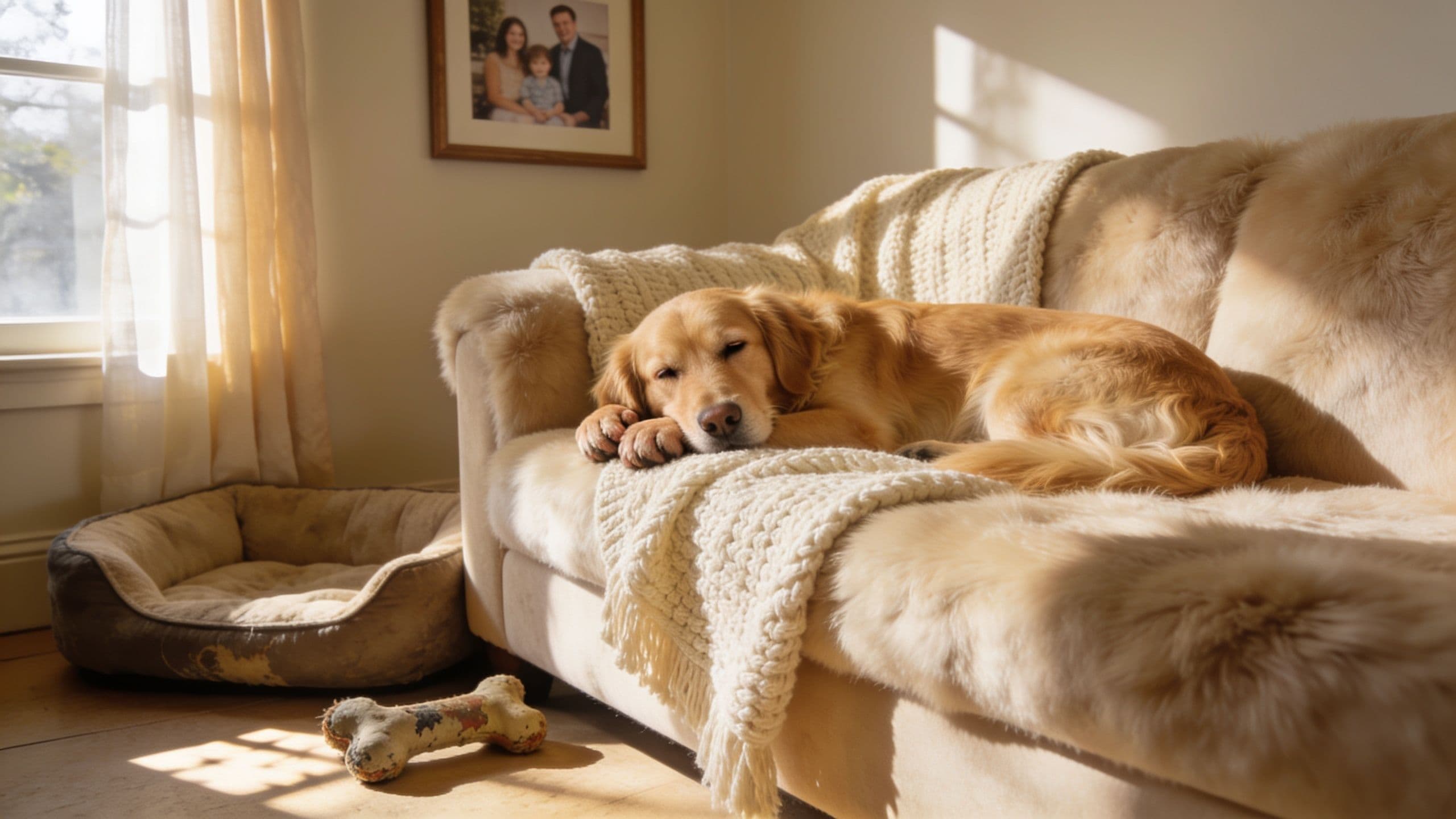
The seat your pet keeps stealing is rarely about stubbornness. More often, it is the clearest expression of what feels safe, comfortable, and socially rewarding inside your home. A dog sprawled across the hallway runner, a cat stationed on the sunniest windowsill, or either species settling into the exact cushion you vacated a minute ago is making a practical decision.
That decision matters because favorite spots function like a map. They show where your pet finds warmth, where they can monitor activity, and where they feel most connected to the household. If you read those choices well, daily friction over furniture becomes easier to solve. You stop asking, "Why this seat again?" and start noticing the features your pet is actually choosing.
Prime pet real estate follows a simple logic
Most beloved pet spots have three things in common: comfort, vantage point, and social value.
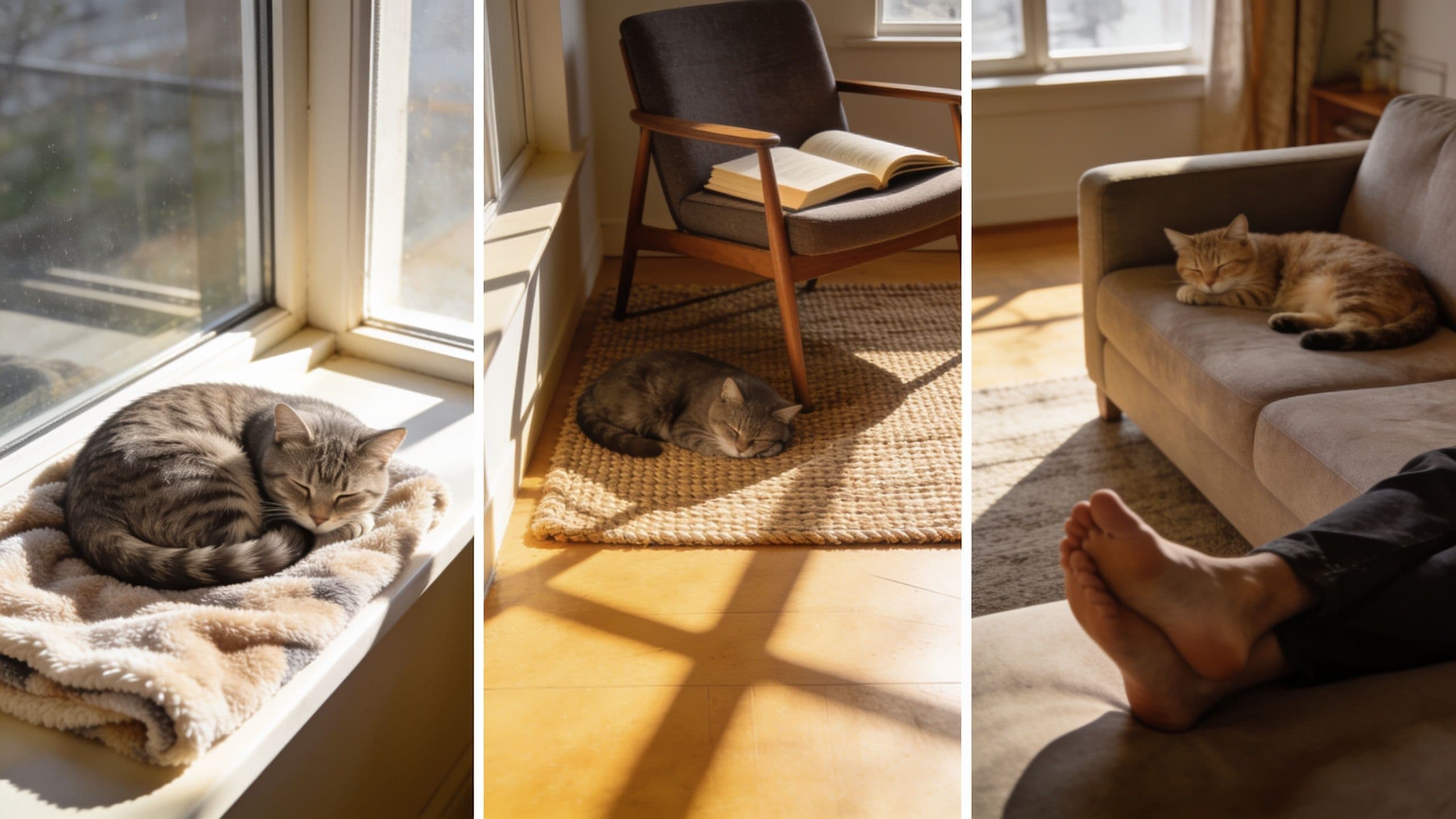
Warmth is the obvious draw. Sun patches on wood floors, the back of a sofa near a vent, and a bed tucked beside a radiator all offer easy temperature regulation. Cats, in particular, are famous heat seekers, but dogs also gravitate toward stable, cozy microclimates. That is why a formally purchased pet bed in a cold corner may lose to a folded blanket in a bright room every time.
Visibility matters just as much. Many pets prefer locations that let them survey doors, hallways, windows, or the flow of people through a room. A windowsill gives a cat outdoor stimulation with indoor security. A dog stretched across the entry-adjacent rug may be resting, but it is also keeping tabs on movement. Even a sofa arm can act like a perch, elevating the head and improving sightlines.
Then there is proximity. Pets are social creatures, but social does not always mean physically on top of you. Often, they want to be near the household's center of gravity: the kitchen during dinner prep, the living room during movie night, the home office during working hours. A spot becomes valuable because life happens there.
Why your seat becomes their seat
The most frustrating favorite spot is usually the one you intended for yourself. Yet that choice makes perfect sense from a pet's perspective.
Your chair carries your scent, your body heat, and a predictable association with calm. When you get up, the seat remains warm for a while, which is an immediate reward. It also represents social significance. If that chair is where you read, work, or unwind every evening, your pet has learned that it is one of the home's most stable and meaningful places.
There is also a timing advantage. Pets are excellent observers of routine. The second a seat becomes available, they often move in because they have learned both its value and the temporary opening. This is especially common in homes where a pet seeks reassurance through closeness but does not necessarily want active attention. Occupying your spot is a way of staying connected even while you move around.
For some animals, that "stolen" seat also provides control over stimulation. It may be the room's ideal balance: not isolated, not chaotic, elevated enough to observe, soft enough to rest, and central enough to feel included. In other words, your pet may not be choosing *your* seat so much as the best-designed seat in the room.
Decoding the usual suspects: sofa arms, windows, rugs, and thresholds
Certain household locations become pet favorites so consistently that they are almost universal.
Sofa arms and back cushions
These spots combine softness with height. A cat on the back of a couch gets a commanding view while staying close to people. Small dogs often choose sofa arms because they provide partial support and a lookout point without requiring a full leap onto a larger surface. If the sofa sits near a window or across from the main room entrance, the appeal doubles.
Windowsills and window-adjacent perches
For indoor cats, the window may be the richest entertainment source in the home. Light, warmth, birds, moving leaves, passing cars, and neighborhood sounds all create low-stakes stimulation. Dogs may favor windows too, especially front-facing ones that allow them to track arrivals and outdoor activity. The popularity of products like cat window hammocks and suction-cup perches reflects how powerful this preference is.
Hallway rugs and thresholds
These can look like inconvenient choices, but they are strategic. A hallway rug often sits at the intersection of household movement, offering a pet full awareness of who is coming and going. Cooler flooring may appeal to some dogs, while the rug itself adds just enough softness. Thresholds also let a pet remain connected to multiple rooms at once.
The bed, of course
Human beds combine scent, softness, insulation, and social closeness in one place. It is difficult for a basic pet bed in the laundry room to compete. That does not mean every pet should have unrestricted bed access, but it does explain why the preference is so persistent.
What favorite spots reveal about pet psychology
A preferred resting place is not only about physical comfort. It reflects how a pet manages security, belonging, and sensory input.
Predictability is a major factor. Animals often return to the same locations because repetition feels safe. The spot becomes part of the day's structure: morning sun by the window, afternoon nap on the armchair, evening rest near the family on the couch. Repetition lowers uncertainty.
Social belonging also shapes these patterns. Many pets want to participate in household life without being handled constantly. A nearby perch offers companionship on their terms. This is one reason pets may ignore an isolated bed, even an expensive one, if it removes them from the social rhythm of the home.
Then there is control over stimulation. Some pets want a front-row seat; others want a semi-sheltered edge position where they can watch without being overwhelmed. A cat behind the curtain at the end of the sofa or a dog tucked beside, rather than in front of, the coffee table may be selecting a zone that balances access and retreat.
These choices can also shift with age. Senior pets may trade high perches for easier-to-reach warm surfaces. Puppies and kittens often favor busier areas because everything is interesting, while older animals may prefer quieter spots that still offer visibility.
How to make alternatives more appealing than the couch
If you want your pet to choose something other than your furniture, the replacement has to match the logic of the original. Owners often fail because they offer a bed, but not the right bed in the right place.
Start by mimicking the features your pet already prefers.
If they love height, try a raised cot for a dog or a stable cat tree with a broad platform. If they chase sunlight, move the bed to the window side of the room. If they seek your scent, place a recently used T-shirt or familiar blanket on the new spot. If they prefer firmer upholstery over plush padding, skip the overstuffed donut bed and choose a flatter mattress style.
Placement matters more than branding. A thoughtfully located, ordinary bed will often outperform a premium one parked in a dead zone. Put resting spots where life happens: beside the sofa, near your desk, or at the edge of the kitchen rather than in a remote corner.
Texture is another overlooked detail. Many pets show clear preferences for woven throws, smooth upholstery, fleece, or cooler cotton. Notice what surfaces they repeatedly choose and borrow that material language for the alternative space.
You can also create layered options. Interior brands such as Tuft & Needle, Casper, and Furhaven have all leaned into the idea that pet beds now need to work visually in living spaces, not just functionally. That shift reflects a useful truth: the more naturally a pet zone fits into the room, the more likely owners are to place it in prime real estate rather than hide it away.
Positive reinforcement helps. Reward your pet for using the designated spot, especially during settled moments. But the design has to do the heavy lifting first. Training alone cannot make an inferior location feel better than the couch.
When harmony matters more than winning
Sometimes the smartest move is not to fight the preference too hard. If one corner of the sectional is where your dog reliably settles and everyone else can work around it, that may be the lowest-conflict solution. A washable cover, a dedicated throw, or a single accepted chair can preserve both sanity and the room's appearance.
The goal is not to eliminate pet preferences. It is to shape them. Designating one shared zone often works better than trying to ban every appealing surface. In many homes, the most livable arrangement is a compromise: one couch cushion is fair game, the accent chair is not; the cat gets the sunny window perch, but the dining chairs stay clear.
A pet's favorite seat is useful information. It tells you where the home feels warmest, safest, most connected, and most alive from their point of view. Read that map carefully, and the battle over the best spot starts to look less like disobedience and more like intelligent interior criticism.
Safety & Scope
This article is for general informational purposes and does not replace professional advice for complex repairs or installations.
Frequently Asked Questions
+Why does my pet always choose my seat?
Your seat offers a mix of warmth, your scent, and social importance. Pets learn that the places you use most are comfortable and central to household life, so they often claim them as soon as they open up.
+How do I make a pet bed more appealing than the couch?
Match the qualities your pet already prefers. Put the bed in an active part of the home, use textures they like, add a familiar blanket, and choose the right height, firmness, or view. A well-placed bed usually works better than a more expensive bed in the wrong location.
+Do pets prefer spots near people or near windows?
Many prefer both when possible. Pets often choose places that combine companionship with visibility, such as a couch by a window or a perch near a busy room. Individual preference depends on how much social contact and stimulation the animal enjoys.