Before You Buy Another Pet Bed, Map Where Your Pet Already Rests
When a pet ignores a new bed, the problem is often placement rather than plushness. A simple rest map of where your pet already settles can reveal what matters most: temperature, traffic flow, sightlines, texture, and how close they want to be to you.
Maya covers pets & animal lifestyle with an emphasis on practical analysis, products, and real-world impact.
A rejected pet bed is usually blamed on the product: too flat, too puffy, too small, too expensive to admit was a mistake. But many pets are making a different point. They are not refusing comfort. They are choosing context.
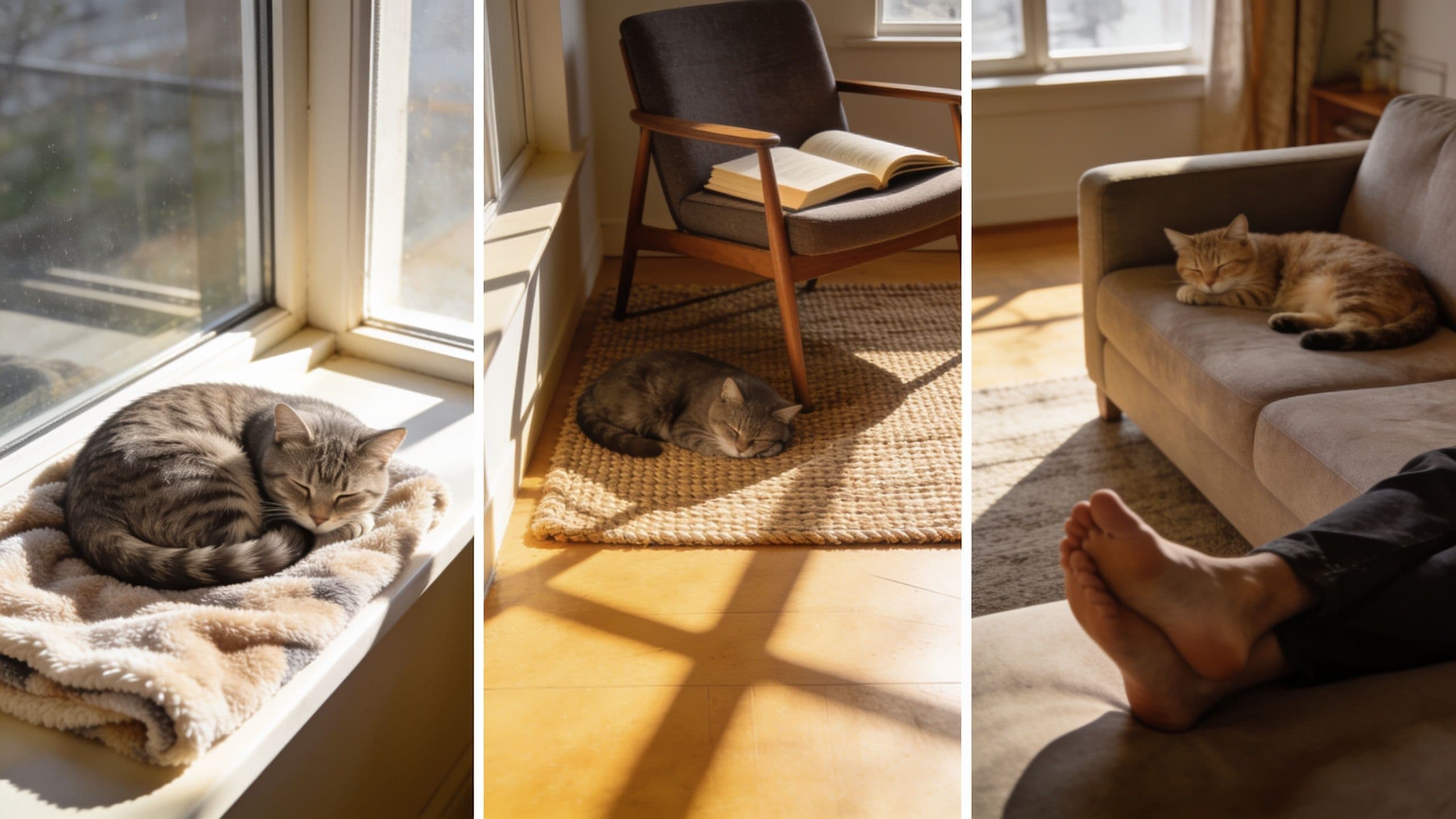
If your dog keeps stretching out by the kitchen island or your cat rotates between the sunny hallway rug and the armchair no one is allowed to use, that pattern is useful data. Pets tend to rest where a room works for them: where they can monitor movement, regulate temperature, feel the right surface under their body, and stay as close to people as they prefer without being disturbed.
The smarter move is not buying a fourth bed in a new fabric. It is mapping the rest zones your pet has already selected and using that map to decide whether you need a different bed, a different location, or no bed at all in that spot.
Build a rest map before you shop
For two or three days, note where your pet settles at different times. Keep it simple. Morning, afternoon, evening, overnight. Record the exact spot, not just the room.
A useful rest map usually includes:
Favorite daytime locations
Where your pet sleeps at night versus naps during the day
Warm-weather choices versus cool-weather choices
Spots chosen when the house is busy versus quiet
Whether your pet picks edges, corners, open areas, or elevated surfaces
Patterns show up quickly. Some dogs want a clear view of the front hallway. Some cats move every hour with the sunlight. Older pets may start the day on a rug with traction, then switch to a cooler hard floor in the afternoon. A pet who ignores a bed in the bedroom may happily use the same bed in the living room, because the issue was social proximity, not cushioning.
This map also helps separate true rest from temporary parking. A dog lying near the stove while dinner is cooking is not necessarily choosing that spot for sleep quality. A cat perched on a windowsill at 5 p.m. may be bird-watching, not bedding down. Look for repeated, longer rests.
What pets are really selecting in a room
Sightlines matter more than owners assume
Many pets prefer to rest where they can see entrances, hallways, or the people they live with. That does not mean they want the busiest location. It means they want information.
A dog who sleeps in the doorway may not love being in the way; they may love seeing both the kitchen and the living room at once. A cat under a side table may still have a full view of the room while feeling partially sheltered. Beds placed with no visibility, such as behind a sofa or in a back room your pet rarely uses, often fail because they cut off that awareness.
When testing placement, ask: can your pet observe without being stepped over or interrupted?
Social distance is a preference, not a fixed rule
Some pets want body-adjacent closeness. Others want to be in the same room but out of reach. Both count as social resting.
This is where many owners misread behavior. A bed placed in a quiet corner may seem cozy, but if your pet consistently chooses the floor beside your desk, the key feature is probably you. On the other hand, a bed right in the center of family traffic may be too exposed for a pet who likes company but dislikes surprise approaches.
The best setup often creates layers: one bed near the action, another in a quieter but still connected location. In open-plan homes, even a shift of a few feet can change how safe or included a spot feels.
Temperature and surface feel drive repeat use
Pets regularly choose between warm and cool surfaces with more precision than people expect. Sun patches, draft-free corners, tile near an air vent, wool rugs, low-pile carpets, and upholstered furniture all offer different thermal and tactile experiences.
This is why a plush bed can lose to hardwood in summer, and a cooling mat can sit untouched in winter. The issue is not whether the item is comfortable in general. It is whether it matches what your pet is seeking in that moment.
Texture matters too. Some dogs like bolsters to lean against. Others sprawl and avoid raised sides. Many cats prefer a slightly enclosed pad, basket, or box-like shape that defines the perimeter. Nervous pets often choose surfaces that let them feel anchored, while larger dogs may avoid beds that compress too much when they turn.
Why bought beds so often fail
The most common problem is not quality. It is competition.
A new bed is competing against an established rest spot that already has the right view, the right temperature, the right level of privacy, and the right social connection. If the existing winner is a cool entry tile with a direct line to the front door and your bed is a fluffy donut in a dead corner, the bed never had a chance.
A few common mismatches explain most ignored beds:
Wrong room: the bed is where you want tidiness, not where your pet wants to be.
Too exposed: the bed sits in a circulation path where people pass closely and often.
Too isolated: the bed is technically quiet but socially disconnected.
Wrong shape: bolsters, caves, or flat mats do not suit the pet's resting posture.
Wrong thermal profile: the material holds more heat or cold than your pet prefers.
The old spot is simply better: a rug, sofa edge, crate, or patch of sun already solves the problem.
This is especially obvious in homes where pet beds are treated like accessories. Attractive neutral fabrics and carefully chosen corners may work for the room photo, but pets are selecting for functionality, not styling consistency.
Design the bed around the map, not the other way around
The better strategy is to prototype placement before committing to another purchase. Use a folded blanket, towel, or inexpensive mat where your pet already likes to rest. If they accept the surface but leave when you move it three feet away, placement is your answer.
Start with these practical moves:
1. Match the bed to a proven zone. Put the first test bed directly on or beside a spot your pet already uses. 2. Preserve the winning features. Keep the same sightline, temperature, and distance from people. 3. Adjust one variable at a time. Change location or bed style, not both at once. 4. Create multiple micro-zones. One perfect bed is less realistic than two or three good options. 5. Watch for seasonal shifts. A winter favorite may not survive July.
Micro-zones work particularly well because pets often have different resting needs across the day. A dog may want a firmer, cooler place after a walk and a softer, more social place during the evening. A cat may want one sunny daytime perch and one hidden nighttime nest.
If you do buy a new bed, buy to fit an observed habit. For a pet that leans against furniture, a bolster bed may make sense. For a sprawler in warm climates, a flat cot or mat may outperform anything plush. For a cat that chooses boxes and chair seats, a structured, bounded bed often makes more sense than an open pad on the floor.
The goal is not to win the bed battle
The most useful shift is dropping the idea that there should be one correct pet bed in one correct place. Homes are dynamic, and pets respond to that dynamism constantly. They rest where airflow changes, where they can track household routines, where the floor feels stable under aging joints, and where they can opt in or out of contact with people.
That makes your pet's so-called random sleeping choices less random than they appear. They are conducting a quiet, repeated evaluation of your home.
The best pet bed, then, is often less a purchase than a translation. It translates an already successful rest pattern into a setup your pet will actually use. Once you map the pattern, the buying decisions get easier, smaller, and usually cheaper.
Safety & Scope
This article is for general informational purposes and does not replace professional advice for complex repairs or installations.
Frequently Asked Questions
+Why does my pet sleep on the floor instead of the bed I bought?
Often because the floor location offers something the bed does not, such as cooler temperature, better visibility, more distance from foot traffic, or closer proximity to people. Many pets reject a bed for contextual reasons rather than comfort alone.
+Where should I place a pet bed in the house?
Start with a spot your pet already chooses for regular rest. Good placements usually preserve the same sightlines, social distance, and temperature conditions your pet prefers while avoiding heavy traffic paths where they may be disturbed.
+Do pets prefer being near people when they rest?
Many do, but the preferred distance varies. Some pets want to be right beside their owners, while others prefer being in the same room with a little space and a clear escape route. Watching where your pet already settles is the best guide.