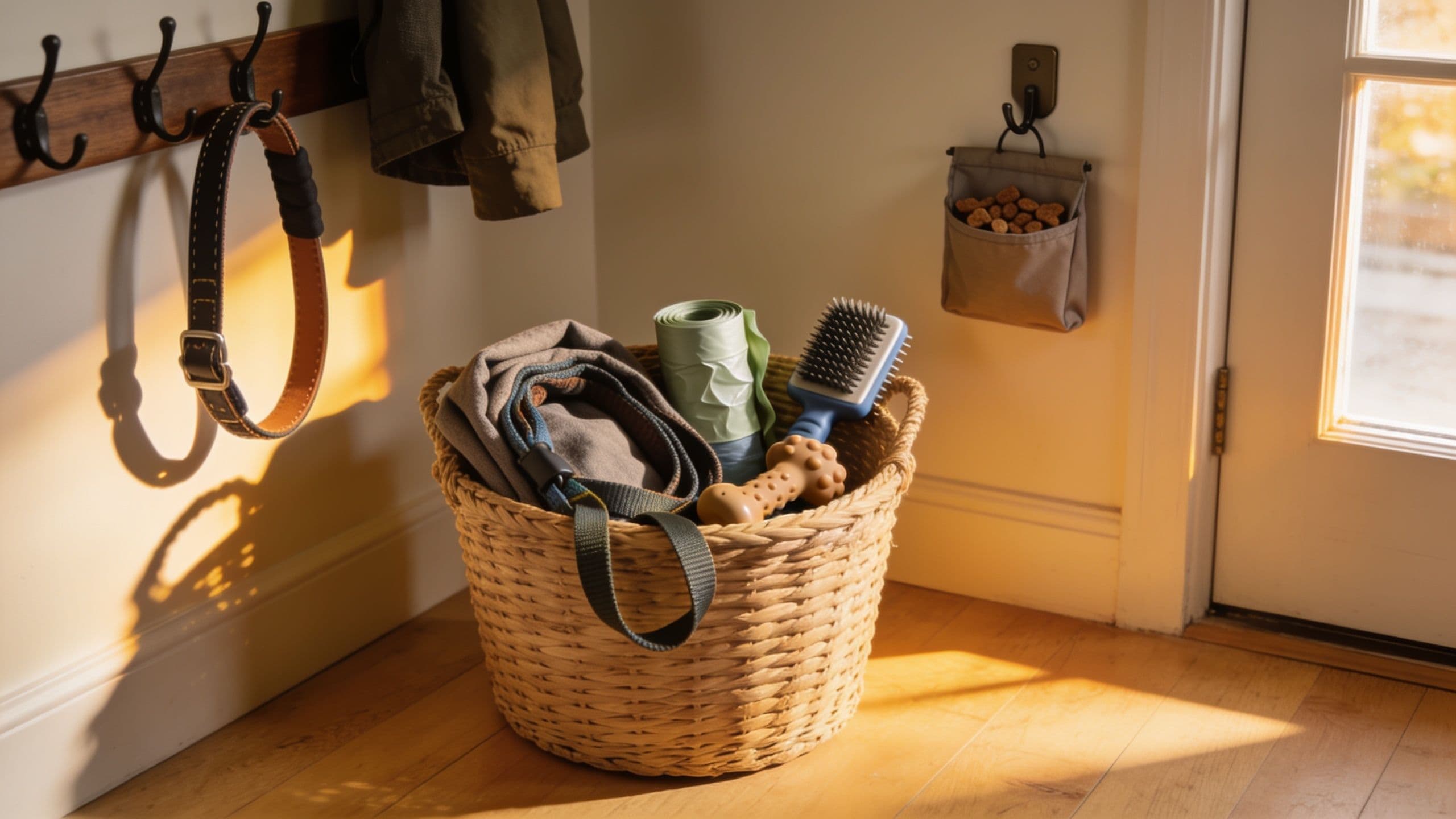
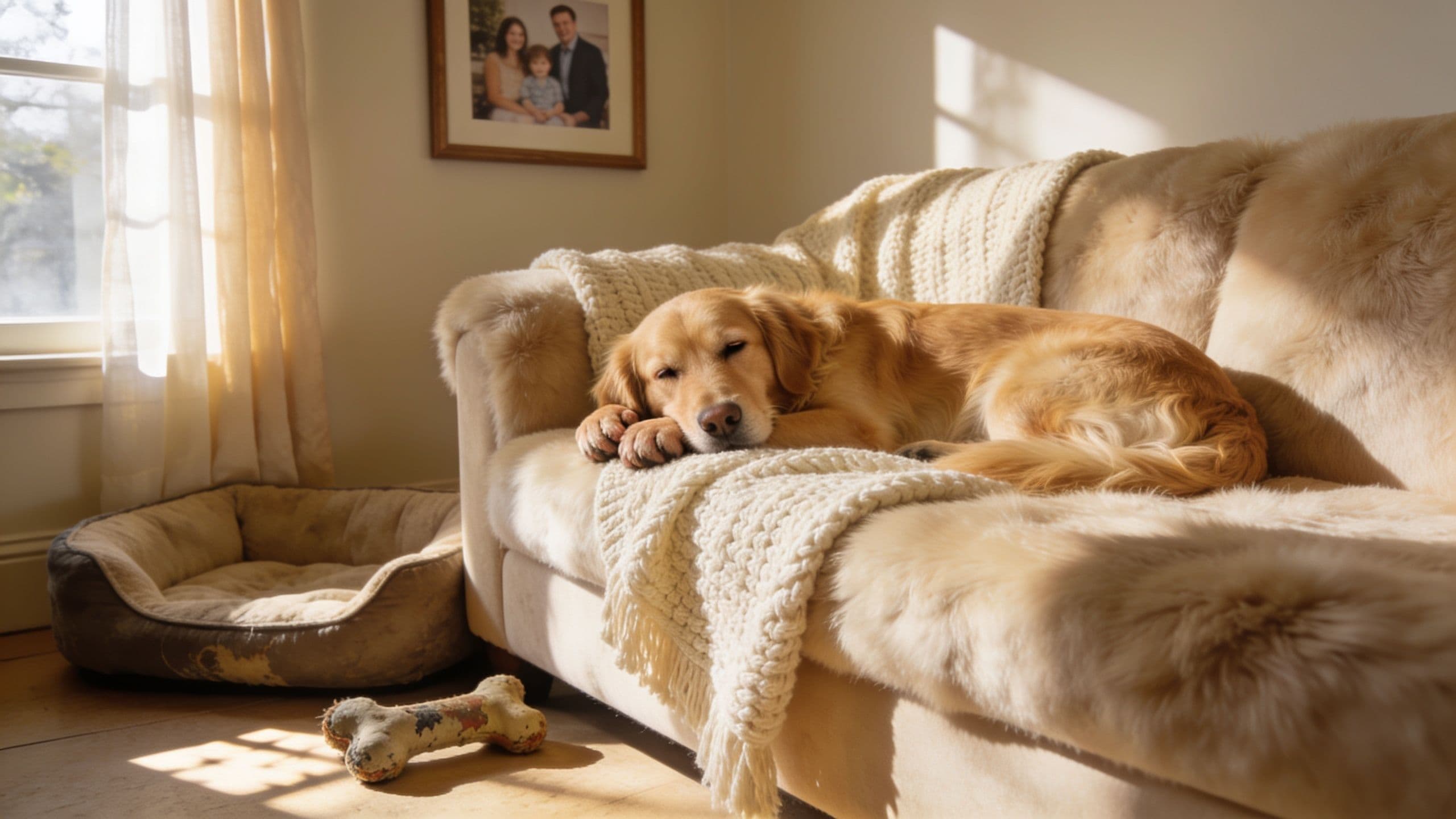
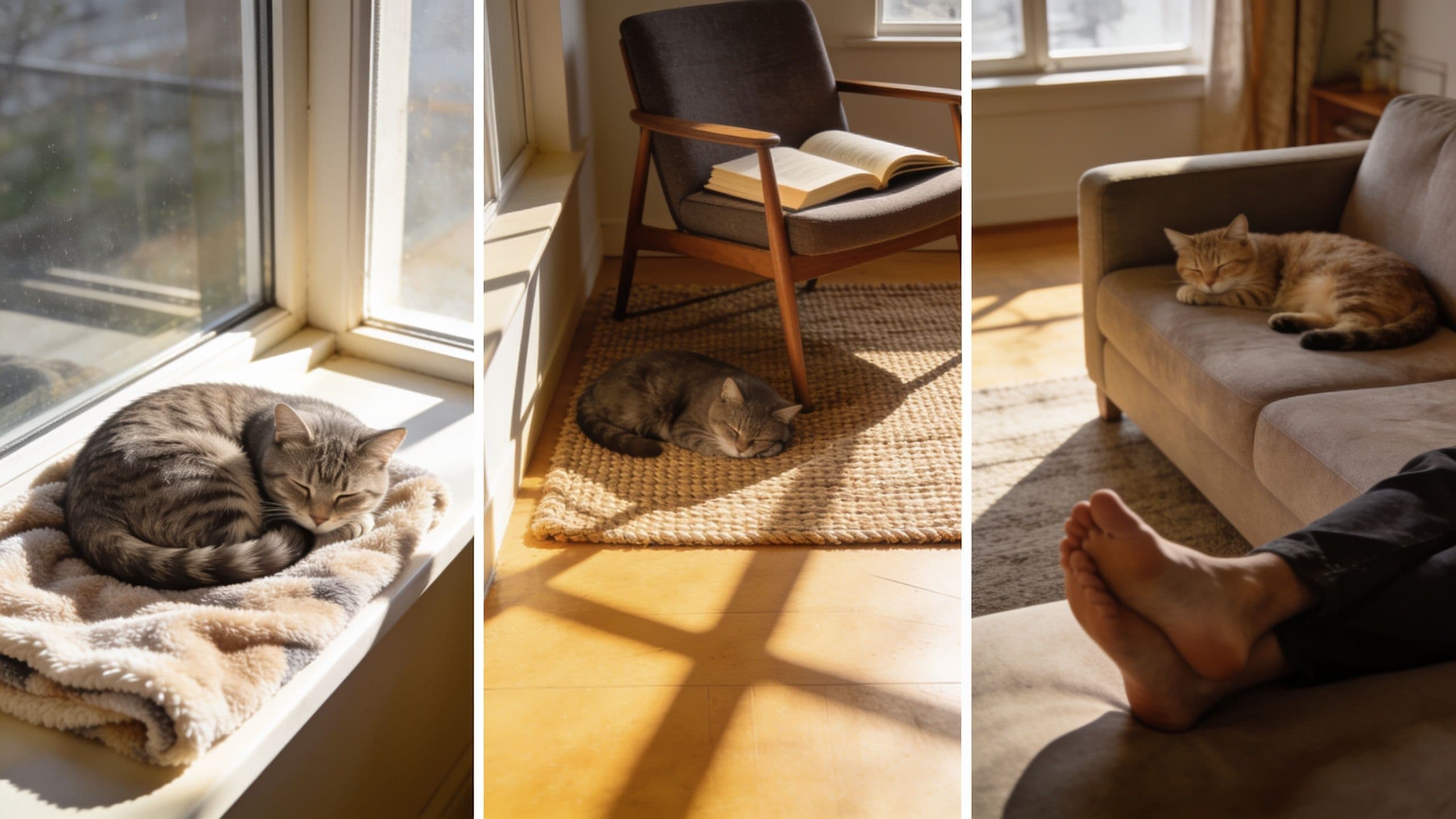
Tackling Common Challenges in Creating a Pet-Friendly Home and Lifestyle
Navigating the joys and obstacles of a pet-friendly home involves thoughtful solutions to challenges ranging from furniture protection to balancing pet needs with daily routines. This guide explores clever strategies to make living with dogs, cats, and other companions harmonious and joyful.
Jordan specializes in turning complex pets & animal lifestyle topics into clear, useful explainers for everyday readers.
Balancing Comfort and Durability in Shared Living Spaces
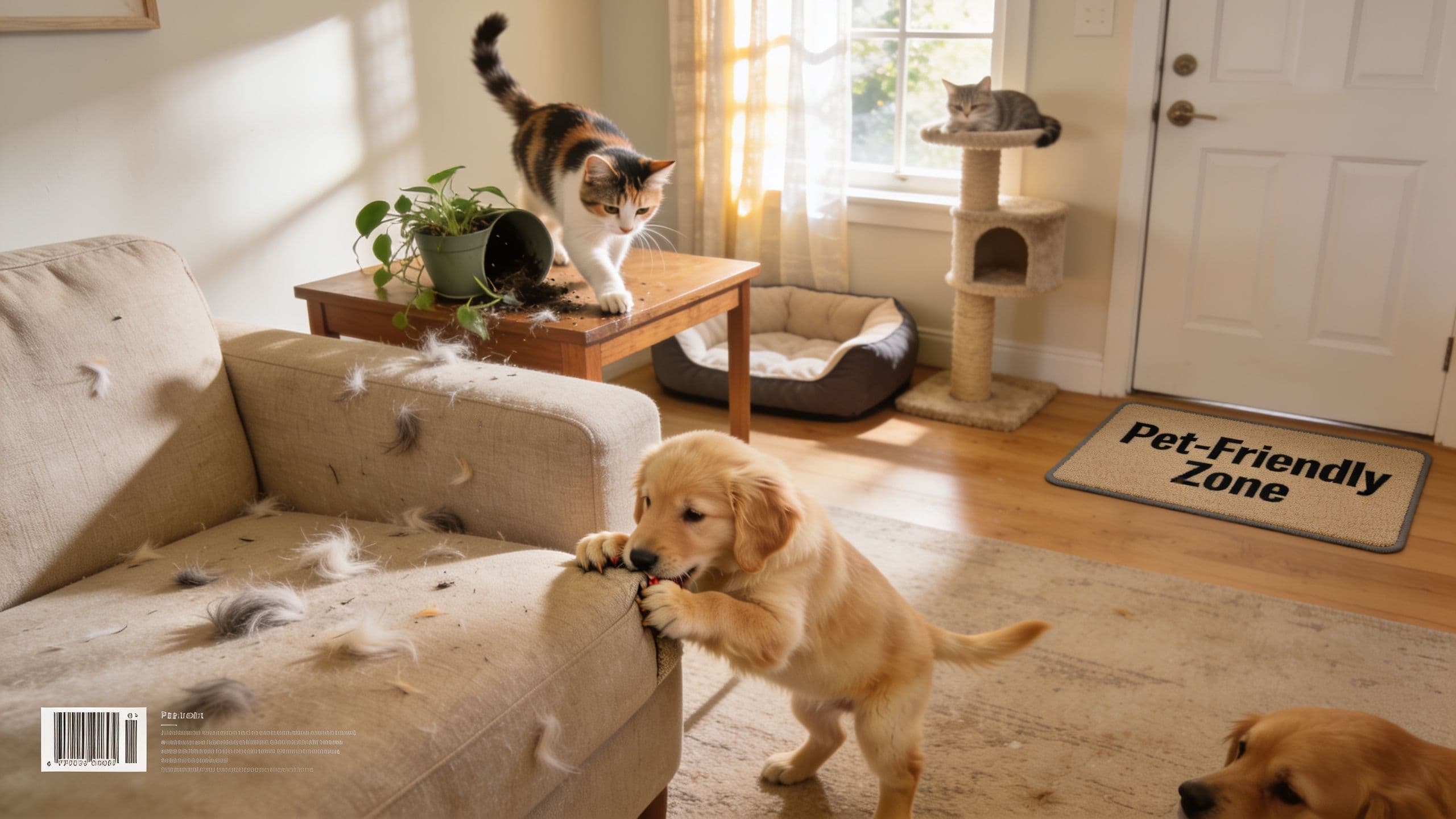
Creating a home that welcomes pets without sacrificing style or comfort is a nuanced challenge. Pet owners often face the dilemma of maintaining clean, undamaged furnishings while ensuring that pets have spaces where they feel safe and relaxed. Cats with their sharp claws and dogs prone to chewing can quickly transform upholstery and rugs into battlefields.
To meet this challenge, many designers and pet parents turn to durable, pet-friendly materials like tightly woven fabrics, leather alternatives, or slipcovers that are easy to wash. Additionally, designated pet zones with cozy beds or elevated perches can help animals settle away from main furniture. Strategically placed scratching posts for cats and chew toys for dogs not only protect the home but encourage healthy behavior.
Managing Multi-Species Dynamics in a Shared Household
Homes with diverse pets—from dogs and cats to rabbits or birds—face unique social and environmental challenges. Ensuring that each animal has its own space, feeding station, and escape routes reduces stress and territorial conflicts.
For example, cats appreciate vertical territory; so cat trees and shelves can provide refuge away from ground-dwelling dogs. Conversely, dogs benefit from sturdy crates or designated “quiet corners” where they can retreat. Housing smaller pets securely, away from predatory species, is essential for both safety and peace of mind. Careful introduction protocols and ongoing observation help ease transitions when new pets join the family.
Keeping a Clean and Healthy Environment with Pets
Pet-friendly homes require heightened attention to cleanliness—not only grooming pets regularly but managing odors, dander, and hair accumulation. Hard floors often work better than carpets in high-traffic pet areas for ease of cleaning. Many modern vacuum cleaners and air purifiers are designed specifically with pet dander and hair in mind, making maintenance more manageable.
Regular laundering of pet bedding and toys reduces allergens and keeps environments fresher. Owners also balance cleaning routines with minimizing harsh chemicals that might irritate pets. Using pet-safe cleaning products and incorporating natural ventilation can significantly improve indoor air quality.
Navigating Lifestyle Adaptations for Pet and Owner Wellbeing
Beyond the physical environment, pet-friendly living demands lifestyle flexibility. Daily routines must often be adjusted to include time for exercise, play, and bonding. For example, owners with busy work schedules might employ dog walkers or invest in interactive toys to keep their pets stimulated.
Pet behavior demands—such as a cat’s nocturnal activity or a dog’s need for social interaction—can influence sleep patterns and social habits at home. Successful pet owners find ways to incorporate pets into their active lives, whether through outdoor adventures, training sessions, or pet-friendly social gatherings. In urban settings, community dog parks and cat cafes offer excellent spaces for both animals and owners to connect.
Technology and Smart Solutions Enhancing Pet-Friendly Homes
Innovations in pet tech are transforming how owners manage common challenges. Automated feeders, smart litter boxes, and pet cameras allow observation and care even when away from home. These tools reduce stress by ensuring consistent feeding times, prompt litter maintenance, and constant monitoring.
Smart home devices integrated with voice assistants can schedule reminders for walks, vet visits, or medication, promoting better pet health management. While technology doesn’t replace daily interaction and affection, it complements a lifestyle that prioritizes animal welfare and owner convenience.
Embracing the Joys Amid the Challenges
The motivation behind creating pet-friendly homes is the deep bond between humans and animals. Every challenge—be it managing messes or adapting routines—is an opportunity to develop patience, creativity, and mutual understanding. The rewards manifest in heartwarming moments, playful exchanges, and the comforting presence of beloved pets.
In essence, a pet-friendly home is less about perfection and more about harmony that respects the needs of all its inhabitants. With thoughtful choices and adaptable lifestyles, owners can transform their living spaces into loving environments where pets thrive alongside their human companions.
Safety & Scope
This article is for general informational purposes and does not replace professional advice for complex repairs or installations.
Frequently Asked Questions
+What should readers understand first about common challenges with pet-friendly home and lifestyle ideas?
The foundational understanding is that creating a pet-friendly home involves balancing animal needs with household functionality and cleanliness. Pets require spaces that support their natural behaviors while owners want environments that remain comfortable, durable, and safe.
+What are the most useful examples or use cases for common challenges with pet-friendly home and lifestyle ideas?
Useful examples include using scratch-resistant furniture materials, designating specific zones for different pets to minimize conflict, incorporating air purifiers to handle pet dander, and leveraging technology like smart feeders and cameras to monitor pets remotely.
+What mistakes should I avoid with common challenges with pet-friendly home and lifestyle ideas?
Common mistakes include neglecting individual pets’ needs for space and enrichment, using harmful cleaning products, failing to maintain routine pet care that impacts the home environment, and underestimating the time commitment required to keep pets happy and homes functional.