Small Signs Your Dog Is Trying to Keep the Peace
Many dogs respond to social tension with quiet, easy-to-miss gestures rather than obvious barking or retreat. Spotting those peacekeeping signals early can help owners lower the temperature before stress turns into conflict.
Jordan specializes in turning complex pets & animal lifestyle topics into clear, useful explainers for everyday readers.
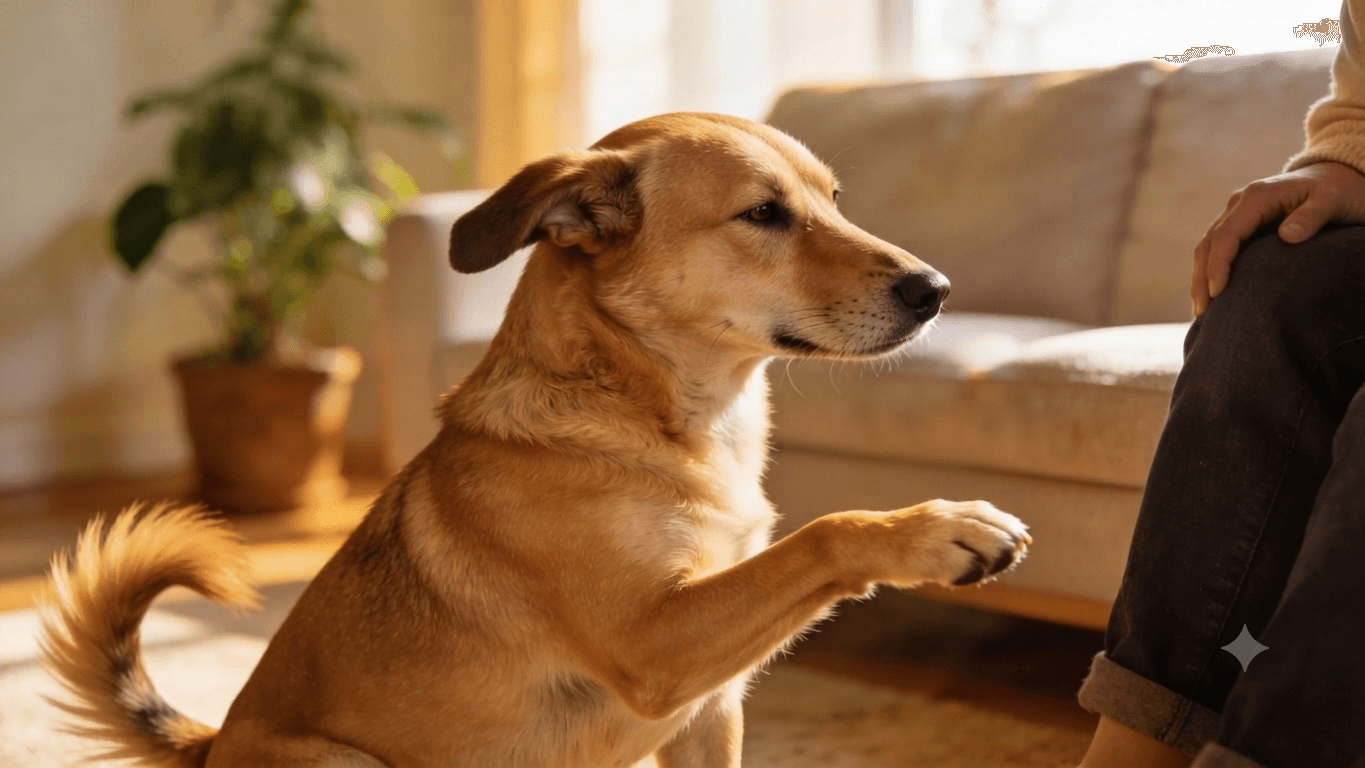
Most dogs do not wait for conflict to become obvious. Long before a bark, snap, or full retreat, many start broadcasting subtle signals meant to soften the moment. In a busy household, those gestures can look so ordinary that they get dismissed as random behavior: a sudden sniff at the rug, a turn of the head, a slow curve around another dog, a body that moves gently between two people without making a scene.
These are often attempts to reduce pressure, not acts of defiance or guilt. Trainers and behavior professionals commonly group many of them under calming or distance-increasing signals: behaviors dogs use to avoid direct confrontation, lower social intensity, or communicate that they want things to stay safe and predictable.
The quiet body language of canine diplomacy
One of the clearest peacekeeping signals is turning the head away. A dog may briefly avert its gaze when another dog stares too long, when a child leans in too fast, or when an adult uses a sharp voice. That movement says, in effect, “I am not escalating this.” It is a way to reduce social pressure without leaving the interaction entirely.
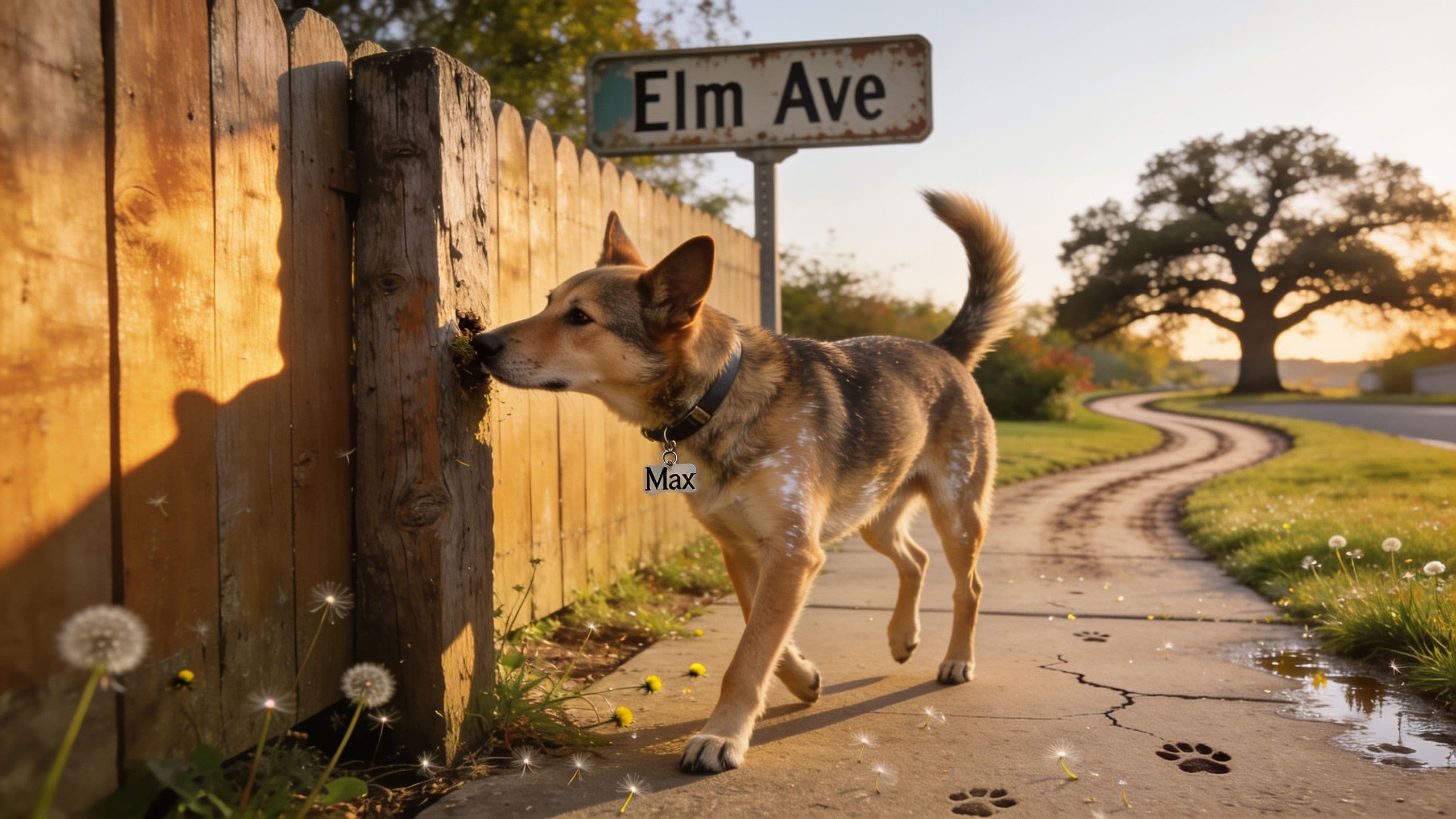
Another common one is sudden ground sniffing. Owners often notice it when tension rises: two dogs approach the same doorway, visitors enter, or family members start moving around quickly. Sniffing the floor in that moment can be displacement behavior, but it can also serve as a social buffer. By redirecting attention to the environment, the dog avoids a hard stare or direct challenge.
You may also see slowed movement. A peacekeeping dog often walks in an arc rather than straight toward someone. It may pause, blink, soften the body, or sit off to the side instead of charging into the center of activity. In dog-to-dog interaction, curved approaches are generally more polite than frontal ones.
A few other subtle signs often appear in the same cluster:
Lip licking when no food is present
A quick yawn during social pressure
Looking away and then back briefly
Sitting or lying down to make the body appear smaller
Shaking off as if wet after a tense interaction ends
Moving behind a person or furniture for partial cover
None of these signals should be read in isolation every time. Dogs sniff for normal reasons, yawn because they are tired, and shake off for all kinds of harmless reasons. The key is context: if the behavior appears right when energy in the room shifts, it may be part of your dog’s effort to keep things from becoming confrontational.
Why dogs use these signals before conflict starts
Dogs are social animals, but they are not built to enjoy constant pressure. In multi-person or multi-pet homes, they regularly navigate competition over space, attention, doorways, toys, food areas, and preferred resting spots. Quiet signals help them negotiate those moments without pushing the interaction into a more obvious dispute.
Sometimes the goal is to create distance. A dog that turns away or sniffs may be asking for a slower approach or less direct engagement. Sometimes the goal is to reassure. A soft body and curved movement can communicate friendly intent to another dog that looks uncertain. And sometimes the goal is simply to lower arousal when household energy rises.
This is especially important in homes where tension comes from people rather than pets. Dogs often react to loud voices, fast movement, crowding, hugging, or repeated attempts at contact. They may not understand the human argument or excitement, but they do register changes in tone, pace, posture, and emotional intensity. A socially sensitive dog often tries to smooth over those moments with appeasing behavior instead of obvious avoidance.
Everyday moments when peacekeeping shows up
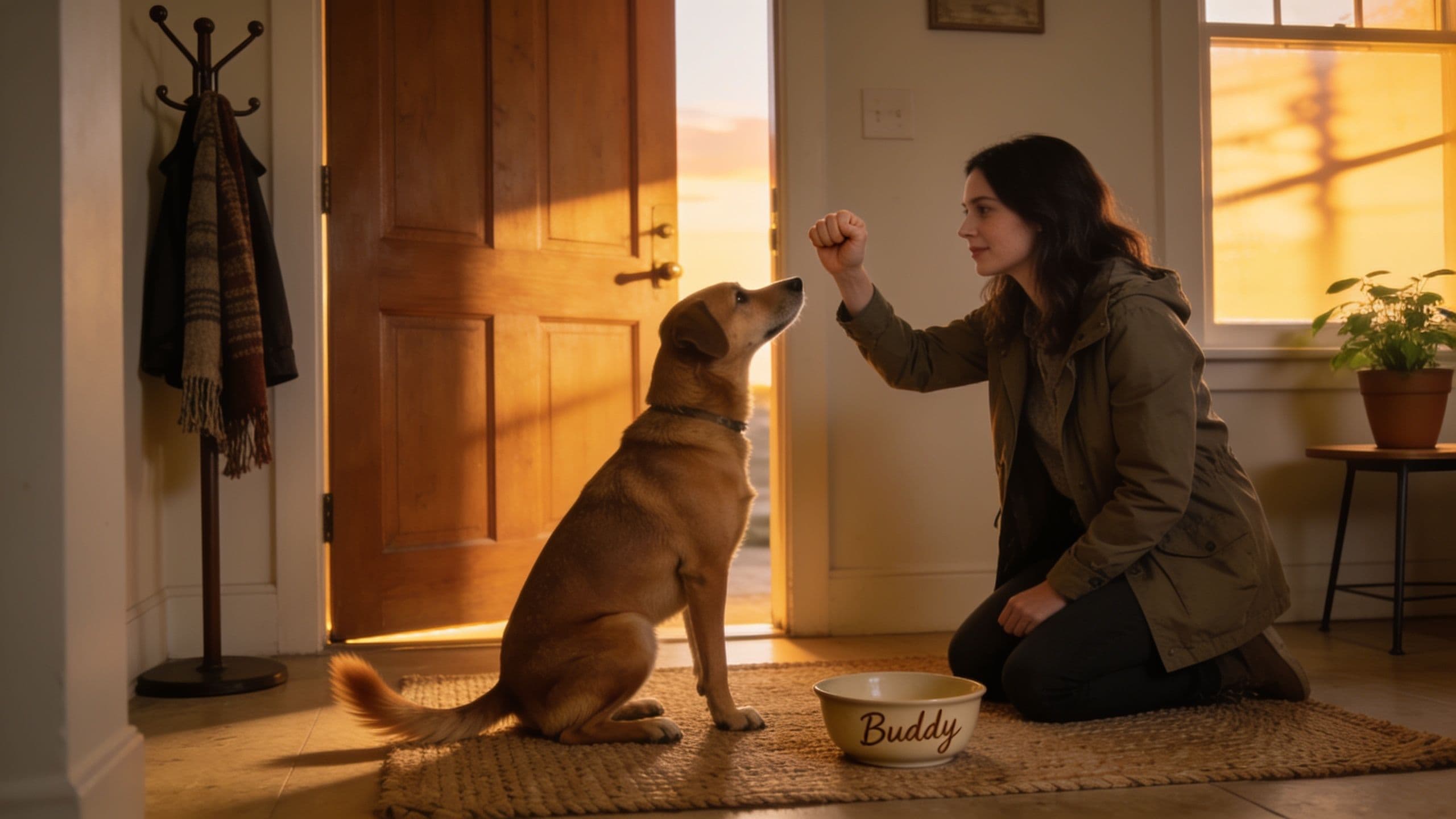
The front door is a classic pressure point. A visitor arrives, one dog rushes forward, another freezes, and your more diplomatic dog suddenly starts sniffing the mat or curving around the group. That behavior can be an attempt to keep the greeting from becoming too direct.
Another common scenario is shared access to a valued space. Two dogs approach the couch, a hallway, or a person holding treats. One slows down, looks away, or takes a wider path. That is often social skill in action, not indecision.
Dogs may also step softly between household members during tense moments. This is often misunderstood. Not every dog that inserts itself between people is “protecting” someone or trying to dominate the room. Some are responding to emotional intensity and trying to interrupt it in the gentlest way they know: by nudging, leaning, pacing between bodies, or redirecting attention.
In families with children, you may notice these signals during fast, unpredictable play. A dog who looks away, yawns, sniffs, or leaves the area is often saying the interaction has become too intense. That is useful information, especially before the dog resorts to barking, jumping, or hiding.
The mistakes owners make when they miss the signal
A frequent misread is calling the dog guilty or sneaky. A dog that avoids eye contact, lowers its body, or sniffs the floor after a stressful moment is not necessarily confessing to wrongdoing. More often, it is responding to your posture, voice, or the tension still hanging in the room.
Another mistake is rewarding only the loudest communication. If owners notice the dog only once barking starts, they miss the earlier, calmer attempts to cope. Over time, a dog whose polite signals go unanswered may escalate faster because the subtle behaviors do not change the situation.
There is also a tendency to over-handle socially cautious dogs. When a dog turns away, hides behind a chair, or chooses distance, people sometimes follow, coax, or physically reposition it. That can remove the dog’s best conflict-avoidance strategy: the ability to opt out.
Behavior organizations such as the ASPCA and RSPCA both emphasize that canine body language works as a sequence. Small signals matter precisely because they often appear before clearer signs of distress.
How to support a dog that is trying to keep things calm
If your dog offers these behaviors, the best response is usually to make the environment easier, not more demanding.
First, lower the intensity. Soften your voice, reduce crowding, slow the approach, and avoid forcing greetings. If two dogs are hovering near a prized area, call them apart before they need to negotiate harder.
Second, protect exit options. A dog trying to keep the peace often benefits from open space, clear pathways, and a place to settle without being cornered. Beds, crates with the door open, or gated rooms can help a socially sensitive dog regulate without conflict.
Third, reward calm choices. If your dog looks away, disengages, moves to a mat, or chooses distance instead of barking, mark that as success. Quiet praise, a treat tossed away from the pressure, or simply allowing the dog to remain out of the interaction can reinforce healthy coping.
Finally, watch for patterns. If the same signals appear around a specific person, dog, object, or routine, the issue may be predictable enough to manage proactively. Repeated tension around food bowls, furniture, greetings, or handling is worth addressing before a dog feels it must communicate more strongly.
A dog that tries to keep the peace is showing social intelligence, not weakness. Those small gestures are often the earliest signs that your household energy is climbing and that your dog is working to steady it. Notice them, respect them, and you give your dog a better chance to stay calm before stress turns into something louder.
Safety & Scope
This article is for general informational purposes and does not replace professional advice for complex repairs or installations.
Frequently Asked Questions
+Why does my dog suddenly sniff the floor during tense moments?
Sudden floor sniffing can be a calming or displacement behavior. In a stressful social moment, it may help a dog avoid direct confrontation, lower arousal, or signal that it does not want conflict. Context matters: if the sniffing appears right as voices rise, visitors arrive, or another pet gets close, it may be part of your dog’s peacekeeping behavior.
+Is turning away a sign my dog wants space?
Often, yes. Turning the head or body away can reduce social pressure and communicate polite avoidance. It does not always mean fear, but it usually means the dog wants the interaction to be less direct, slower, or less intense.
+Do dogs try to break up household conflict?
Some do, especially socially sensitive dogs. They may move between people or pets, nudge gently, pace, or redirect attention when tension rises. That does not necessarily mean they are guarding or taking sides; many are simply reacting to emotional intensity and trying to restore calm.