How to Create a Play Rotation That Keeps Pets Interested
A smart play rotation can make familiar toys feel new again. With a simple system, pet owners can boost engagement, reduce clutter, and add daily enrichment without constantly buying more products.
Jordan specializes in turning complex pets & animal lifestyle topics into clear, useful explainers for everyday readers.
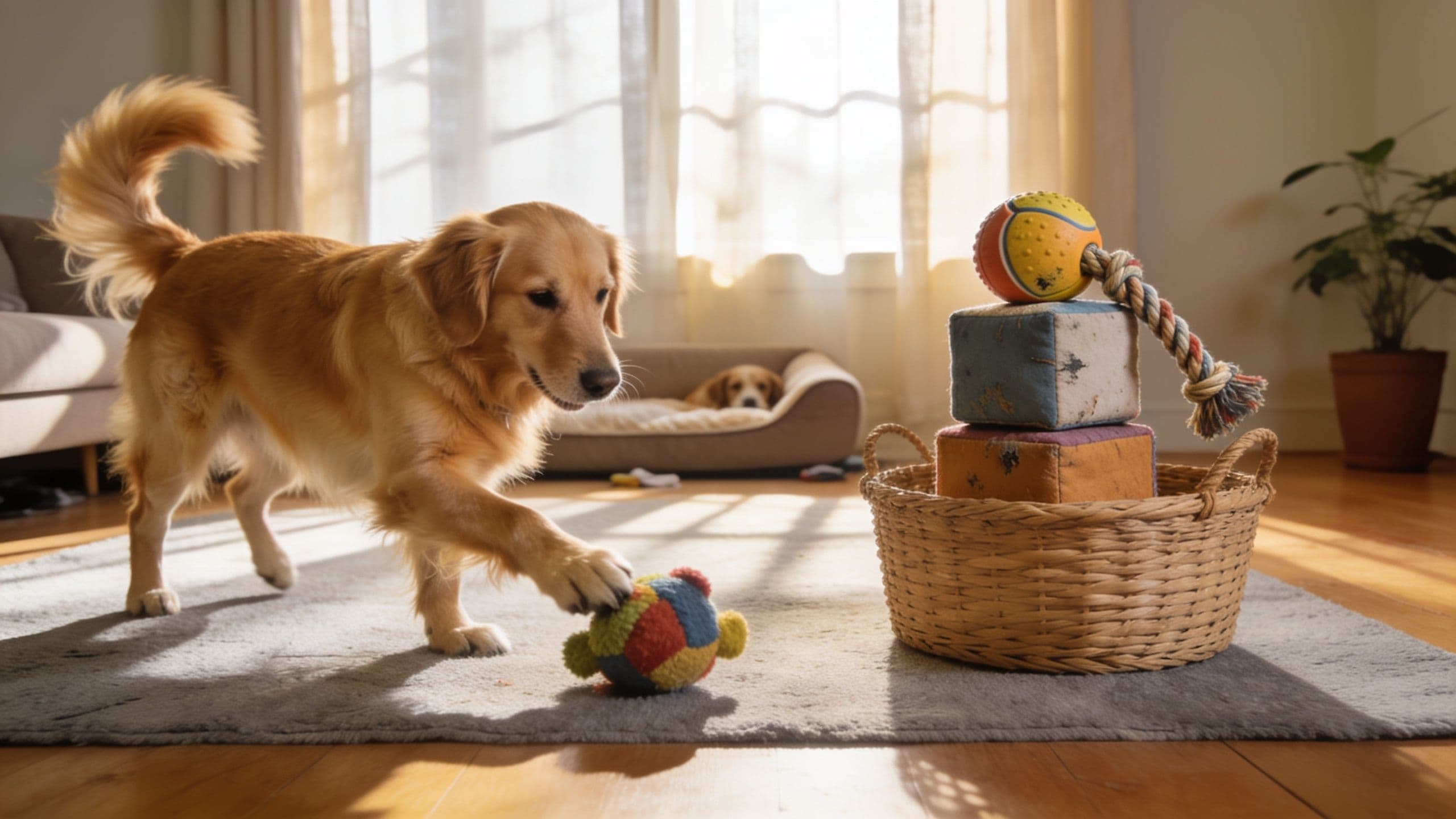
Pets usually do not lose interest in play because they are lazy or uncurious. More often, the problem is exposure. When every toy is always available, the environment stops offering surprises. A simple rotation changes that dynamic quickly, making familiar objects feel fresh without adding cost, clutter, or pressure to entertain all day.
For dogs, cats, and small companion animals, a rotation system works best when it is practical enough to maintain. The goal is not to create a perfect enrichment schedule. It is to make the toys and activities you already have work harder.
Why constant access can make toys less exciting
Novelty matters in animal enrichment. A toy that sits in the same basket every day becomes part of the background, even if it was once a favorite. Rotating toys taps into renewed curiosity: the same tug rope, crinkle tunnel, cardboard forage box, or willow ball can regain value after a short break.
There is also a clutter effect. Too many choices at once can flatten interest, especially for indoor pets that rely on their environment for stimulation. A smaller set of available items makes each object more noticeable and easier to engage with.
This does not mean pets need endless novelty or a house full of gear. It means access should be intentional. Three to five well-chosen options often create more engagement than a pile of toys spread across the floor.
Build a rotation system you will actually keep using
The best rotation is the one that fits your routine. Start small.
Sort what you already have
Gather your pet's toys and enrichment items into categories. For example:
Interactive play: tug toys, wand toys, fetch balls
Independent enrichment: chew items, kickers, puzzle feeders, snuffle mats
Comfort items: soft toys, blankets, hideouts
Sensory variation: squeaky, crinkly, textured, rolling, bouncing, shreddable
For small companion animals, the category list might include chew-safe wood, forage trays, tunnels, paper-based shreddables, or climbing objects. For cats, prey-style toys such as feather wands and small toss toys deserve their own group. For dogs, separate high-value chews from fast-action toys like balls and flirt poles.
Once everything is sorted, remove anything damaged, unsafe, or consistently ignored for a reason such as wrong size, poor texture, or difficulty level.
Create two to four toy groups
Divide the remaining items into small sets. Each group should include a mix of textures and play styles rather than five versions of the same thing. A good weekly set might look like this:
One active chase or tug toy
One solo enrichment option
One comfort or quiet-time item
One high-interest favorite held partly in reserve
Store the off-duty groups out of sight. A closet bin, labeled basket, or drawer is enough. If toys remain visible, the novelty effect weakens.
Rotate on a rhythm, not a rigid rule
Weekly rotation works for many households because it is easy to remember. But timing should match your pet, not a template.
Every 5 to 7 days: useful for pets that lose interest quickly
Every 10 to 14 days: helpful for animals that like familiarity
By context: switch toys before a rainy weekend, work-from-home day, or high-energy evening
You do not need to swap everything at once. Replacing one or two items can be enough to reset attention.
Match the rotation to species, style, and energy level
Not every pet plays the same way, and rotation works best when it reflects natural behavior.
Dogs: balance chewing, problem-solving, and movement
Many dogs benefit from having different jobs at different times. A ball may satisfy sprint-and-chase energy, but it will not replace the calming effect of a chew or the mental work of a food puzzle.
A useful dog rotation often includes:
One movement-based toy such as a ball or tug
One durable chew for downtime
One sniffing or food-dispensing activity
One training-based game, such as hide-and-seek with treats
If your dog stops caring about toys quickly, it may be because the toy only meets one need. A young herding breed may ignore a plush toy but stay engaged with short tug sessions and scent games. A senior dog may prefer slower licking mats, soft fetch, or easy-search enrichment over intense physical play.
Cats: think like prey, not like a toy bin
Cats often respond better to rotation than owners expect, especially indoor cats. The key is movement pattern. Cats are usually not looking for a random object on the floor as much as a hunt sequence: stalk, chase, pounce, grab.
A strong cat rotation may include:
A wand or teaser toy used only during supervised sessions
Small solo toys for batting and carrying
A tunnel, box setup, or climbing element
A treat puzzle or scatter feeding routine
Keep high-value interactive toys out of reach between sessions. That restraint preserves excitement. Many cat owners notice that a feather wand left on the floor becomes invisible, while the same wand reintroduced at dusk suddenly feels irresistible.
Small companion animals: rotate safely, not constantly
Rabbits, guinea pigs, rats, hamsters, and similar pets can benefit from rotation too, but their enrichment should emphasize safety and species-appropriate behavior. Think chewing, foraging, climbing, digging, shredding, or hiding.
Examples include:
Cardboard tubes with hay or paper stuffing
Untreated wood chews
Paper bags or boxes for exploration
Rearranged tunnels or platforms
Simple forage trays with safe herbs or pellets
For these pets, layout changes can be as enriching as toy swaps. Moving a tunnel, adding a dig box, or changing a forage location can refresh interest without introducing anything new.
Pair toys with moments in the day
Rotation becomes much more effective when toys match your pet's routine.
Morning: quick energy release
Use toys that invite movement and focus. For dogs, that might be a short tug session or a food puzzle before you start work. For cats, a five-minute wand session can reduce random ambush behavior later in the day. For small animals, a fresh forage setup encourages natural activity early on.
During solo time: independent engagement
This is where long-lasting chews, snuffle mats, treat balls, forage boxes, and safe shreddables do their best work. The right choice depends on the pet's habits. A toy that requires constant human input does not belong in the solo-time slot.
Evening: lower-arousal play
Not every play session should escalate energy. Evening rotations can include slower sniffing games, easier puzzles, gentle toss toys, or comfort objects. This matters in households where overstimulation leads to barking, zoomies, rough play, or night-time restlessness.
Common rotation mistakes that flatten engagement
A few habits can make a rotation less effective.
Rotating too much at once. If every toy changes every few days, the system can feel chaotic and hard to maintain. It also makes it harder to tell what your pet genuinely likes.
Ignoring texture and function. Five plush toys are not real variety. Neither are three nearly identical balls. Interest often comes from different sensory experiences: squeak versus crinkle, bounce versus drag, chew versus chase.
Leaving favorites out all the time. A high-value toy loses some power through constant access. Keep the most exciting items partly in reserve for moments when you want strong engagement.
Treating all pets in the house the same. A cat's best toy may be a hidden wand brought out briefly. A dog's best enrichment may be a chew after a walk. A rabbit may care more about a cardboard maze than any store-bought object.
Forgetting that activities count too. Rotation is not only about objects. Scatter feeding, scent trails, training games, box forts, and room-layout changes all belong in the enrichment mix.
A simple system that keeps familiar things feeling new
A play rotation works because it adds structure without making pet care more complicated. Instead of buying more toys every time interest drops, you create contrast: available versus resting, active versus calm, familiar versus reintroduced.
That small change can have a noticeable effect, especially for indoor pets whose worlds are shaped by routine. A shorter list of better-timed options often creates more curiosity than unlimited access ever could. When you match toy type to species, energy level, and time of day, old favorites start earning attention again.
Safety & Scope
This article is for general informational purposes and does not replace professional advice for complex repairs or installations.
Frequently Asked Questions
+How often should I rotate my pet’s toys?
A weekly rotation works well for many pets, but there is no single schedule. Some pets do better with changes every five to seven days, while others prefer a slower 10- to 14-day cycle. You can also rotate based on routine, such as before weekends, busy workdays, or indoor-only days.
+Why does my pet stop playing with toys so quickly?
Pets often lose interest when toys are always available and stop feeling novel. The issue may also be poor variety, such as too many toys with the same texture or function. Matching toys to natural behaviors like chewing, chasing, foraging, or shredding usually improves engagement.
+Can toy rotation help indoor pets stay more engaged?
Yes. Indoor pets especially benefit from rotation because their environment changes less often. Swapping toys, rearranging enrichment items, and pairing activities with times of day can make the home feel more stimulating without requiring constant new purchases.