How Dogs Communicate With Humans Every Day
Dogs rarely rely on a single signal. They communicate with people through body language, facial expression, movement, sounds, and routines—and owners who learn to read the whole picture usually get a calmer, clearer relationship in return.
Maya covers pets & animal lifestyle with an emphasis on practical analysis, products, and real-world impact.
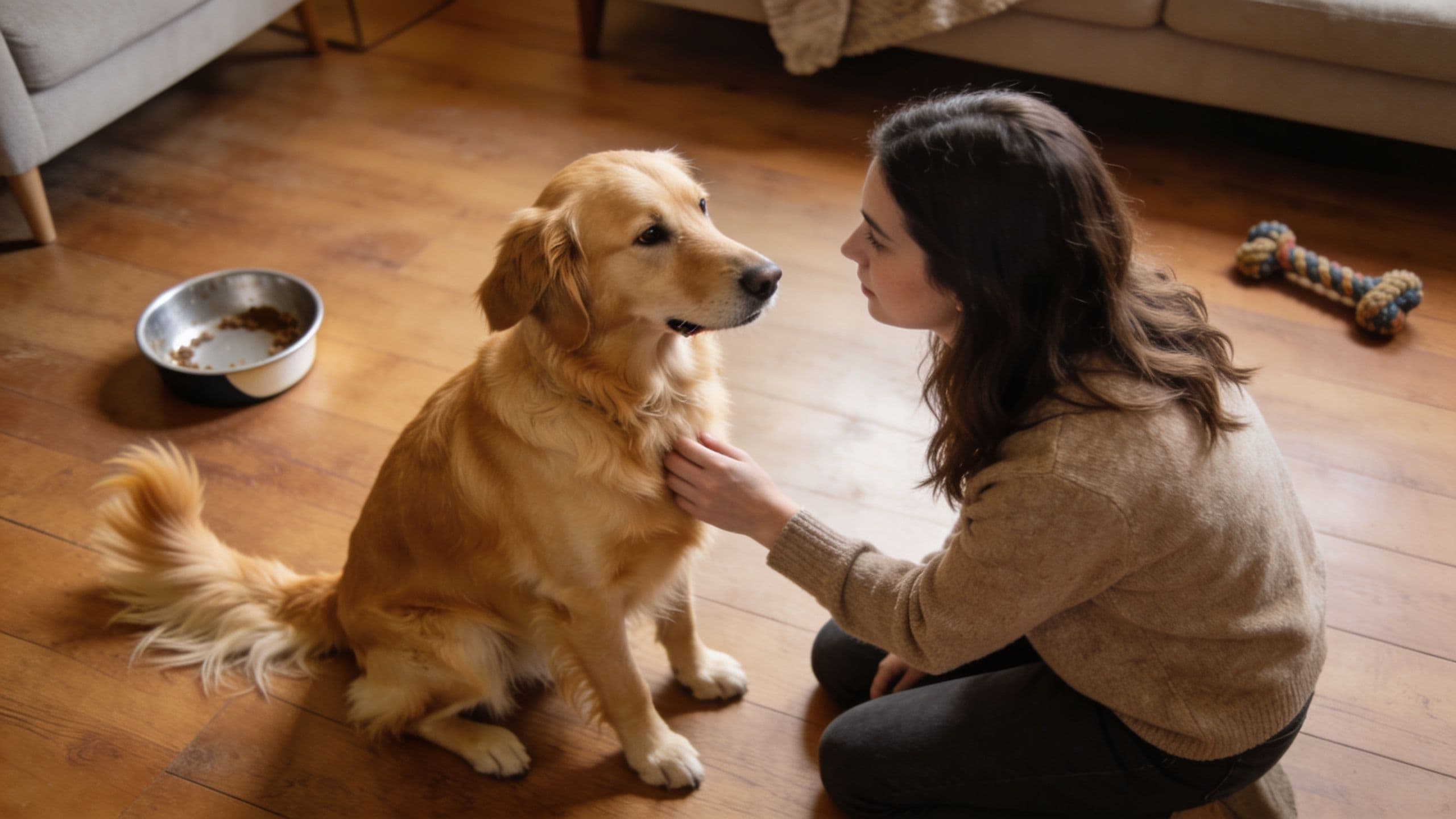
Dogs are constantly sending messages to the people around them. The catch is that humans often notice the loudest signals—a bark, a jump, a wag—and miss the quieter ones that explain what the dog actually means. A dog that looks "excited" may be thrilled, overwhelmed, impatient, or trying to smooth over tension. A dog that seems "stubborn" may simply be confused, worried, or asking for space.
The best way to understand how dogs communicate with humans is to stop treating any one behavior as a fixed translation. Dogs communicate in clusters: tail, ears, eyes, mouth, posture, movement, timing, and habit all work together. Once you start reading the whole dog instead of one isolated signal, everyday interactions become much easier to understand.
Dogs speak first with their bodies
Body language is usually a dog's clearest communication tool. It shows up faster than vocalizing and often reveals emotional state before a person hears a bark or notices a problem.
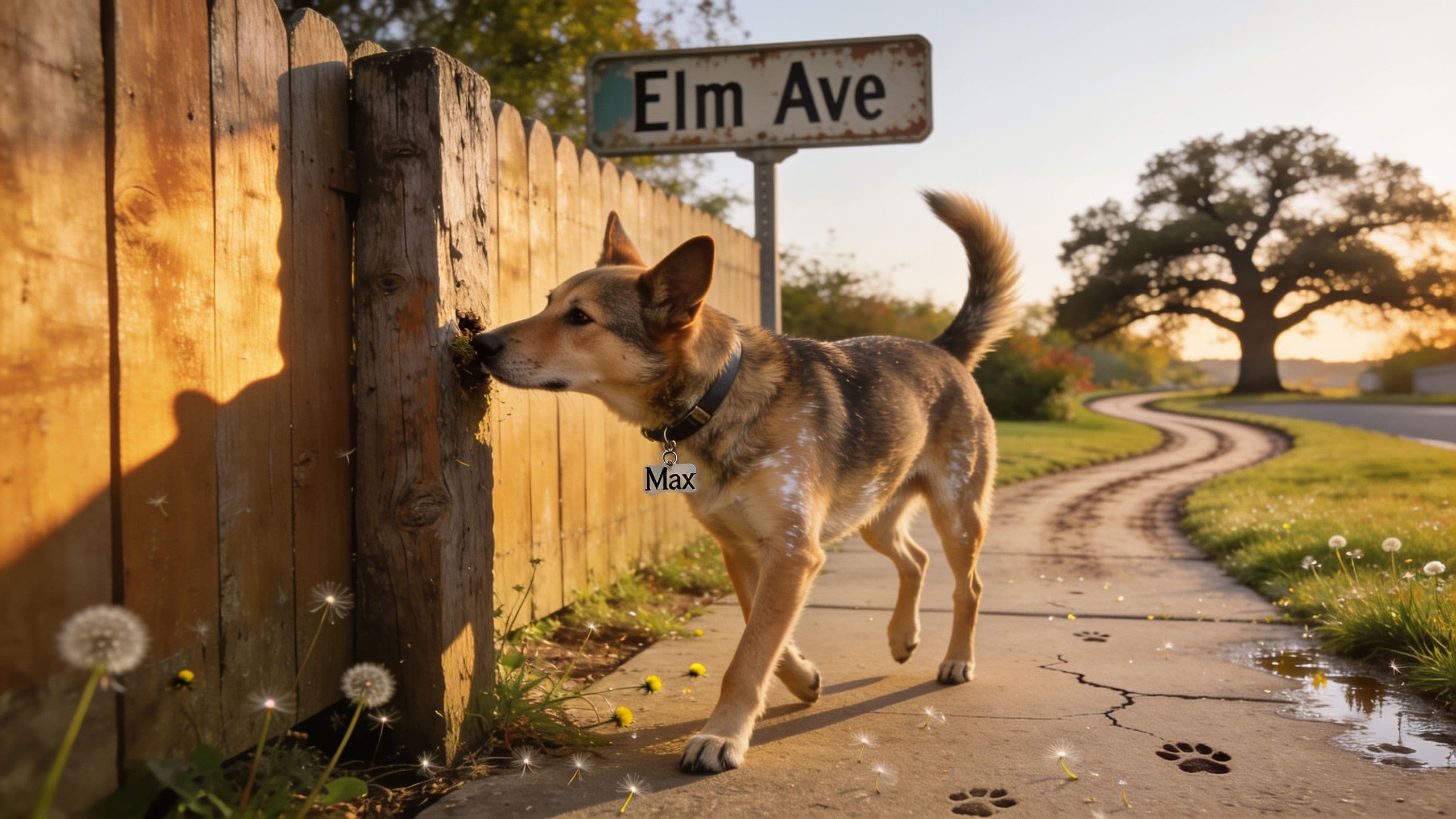
A wagging tail is the classic example of a misunderstood signal. Tail movement does not automatically equal happiness. A loose, wide wag that travels through the hips often suggests friendly excitement. A high, stiff, fast wag can mean arousal or tension. A low tail or tucked tail may signal uncertainty, stress, or appeasement. The speed, height, and stiffness matter as much as the wag itself.
Ears add another layer. Forward ears can indicate interest or alertness. Ears pinned back may mean fear, discomfort, or sometimes social softness, especially when paired with a relaxed body. Eyes matter too. Soft eyes and normal blinking usually suggest a dog is at ease. Hard staring, visible whites of the eyes, or avoiding eye contact can point to tension.
The mouth is another clue owners often overlook. A relaxed, slightly open mouth can be a sign of comfort. Lip licking, yawning outside of sleepiness, sudden panting when it is not hot, or a closed tight mouth can all suggest stress. None of these signals should be read alone, but together they can tell you a lot.
Posture often brings the message into focus. A loose body with curved movement usually means the dog feels safe. A forward-leaning, stiff stance suggests high arousal. Lowering the body, shifting weight backward, or freezing can indicate uncertainty or fear. Many dogs become very still before they become reactive, which is one reason subtle signs matter.
The sounds dogs use with people
Dogs also communicate vocally, but not every sound means the same thing in every home. A bark is not just a bark. Tone, repetition, pitch, and context all change the message.
Short, sharp alert barks at the window often mean, "I noticed something." Repeated barks aimed at a person can mean excitement, frustration, demand, or social engagement. Whining may signal stress, anticipation, pain, or learned attention-seeking. Some dogs whine when they see the leash because they are eager; others whine at the vet because they are uneasy.
Then there are the quieter sounds owners come to recognize over time: sighs when settling down, little grumbles during comfortable contact, huffs when impatient, or soft vocalizations when asking for something. Many breeds are especially expressive this way. A Siberian Husky may "talk" dramatically; a Greyhound may communicate with far subtler sounds and posture.
What matters most is pattern recognition. If your dog makes a certain sound before dinner, before a walk, or when a guest arrives, that sound is part of a learned communication system between the two of you.
Learned habits are often deliberate requests
Some of the clearest dog-to-human communication does not look like body language at all. It looks like routine.
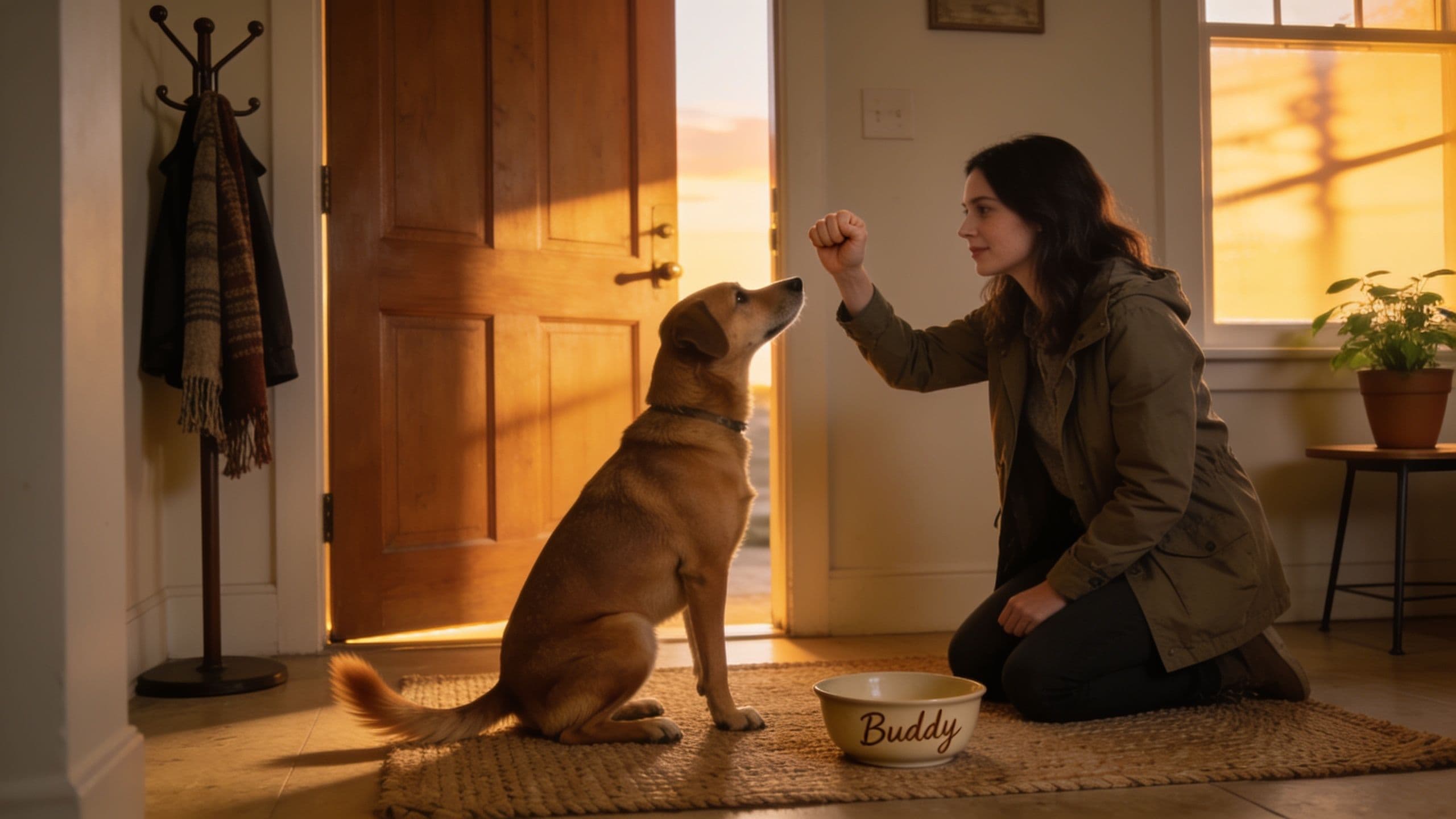
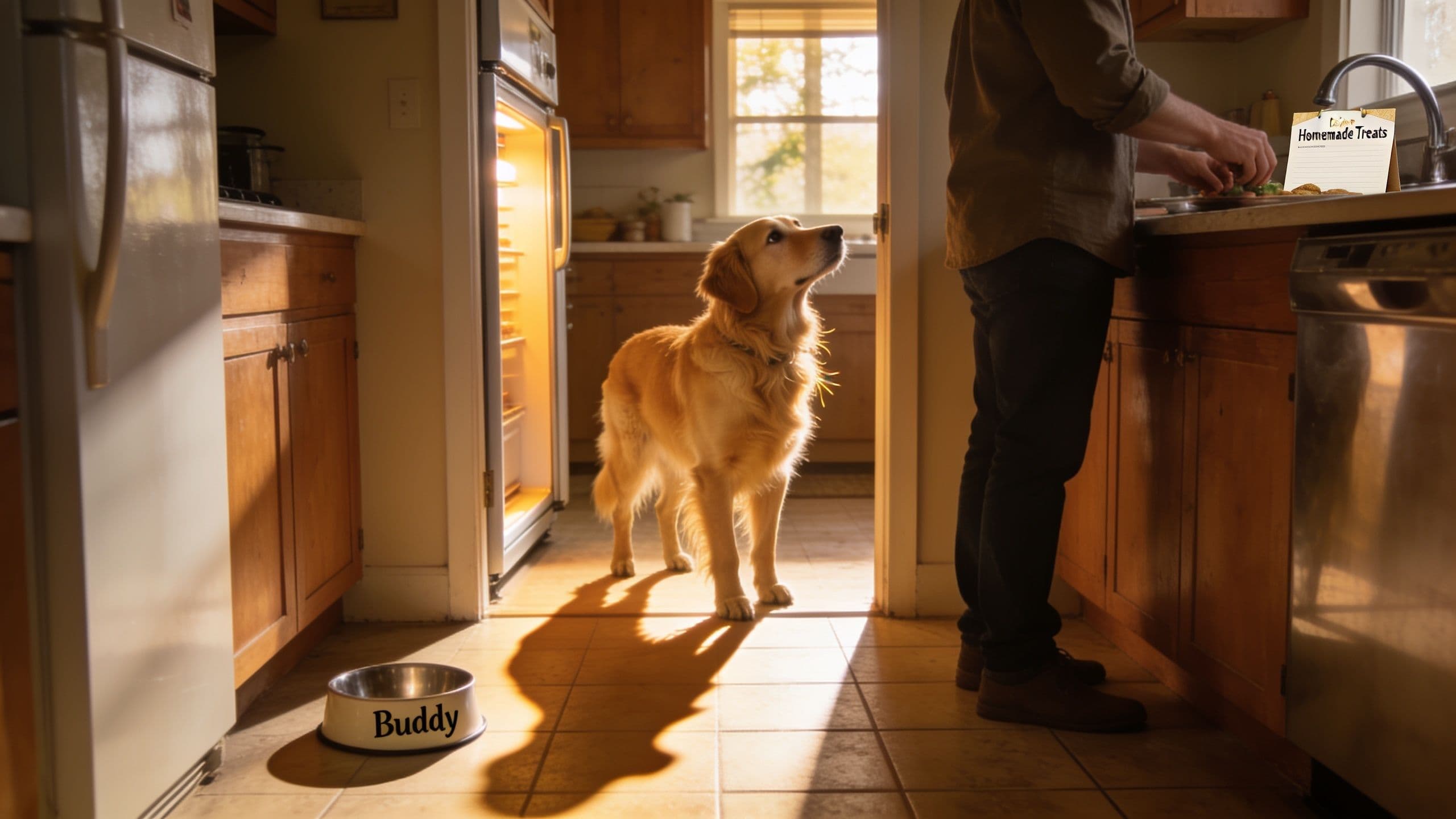
Dogs are excellent observers of cause and effect. They learn which actions get results, then repeat them. Bringing you a toy may be a request to play, an invitation to interact, or a self-soothing habit when guests arrive. Pawing at your leg may mean, "Pay attention to me," but it can also mean, "I am uneasy," especially in a new setting. Standing by the door, glancing back at you on a walk, or hovering near the treat cabinet are all forms of communication shaped by experience.
Leaning on a person is a good example of a behavior that depends on context. Many dogs lean because they seek contact and feel safe with you. Large breeds such as Great Danes and Labrador Retrievers often do it casually. But leaning can also happen when a dog wants reassurance in a busy or confusing environment. The same behavior may mean affection at home and uncertainty in a crowded park.
Even eye contact becomes a learned social tool. Dogs often stare at humans because they are checking in, waiting for a cue, or trying to predict what happens next. During training, many dogs quickly learn that looking at a person is rewarding. Outside training, a stare at the pantry, leash hook, or back door is often less mysterious than it seems: the dog has linked you, that location, and a predictable outcome.
Common messages owners see but misread
Some dog behaviors are so familiar that people stop questioning what they actually mean.
Bringing a toy
This is often read as a simple play request, and sometimes it is. But dogs also bring toys as a social gesture when greeting people, especially after time apart. It can be excitement management: the dog wants to engage but needs something to do with that energy.
Looking back during walks
A dog that glances back at you is often checking in, especially in a new area. This can signal attentiveness and connection. In nervous dogs, frequent check-backs may also mean they are monitoring your reaction to the environment.
Licking
People often label licking as affection, but licking can mean many things: greeting, appeasement, stress reduction, information gathering, or because your skin tastes interesting. If the licking is persistent, paired with yawning or a tense body, it may be less about love than about regulation.
Zoomies
Sudden bursts of running after a bath, after being released from a crate, or during evening play are usually an outlet for pent-up energy or arousal. They are not automatically a sign of joy or distress. Timing tells the story.
Staring
A soft stare with a relaxed body may be a bid for connection or a request. A hard stare over food, space, or an object is very different and deserves caution. Owners who learn to spot the difference usually prevent conflict before it escalates.
Context changes the meaning of almost everything
Dog communication is highly situational. The same tail wag, vocalization, or gesture can mean different things depending on environment, trigger, and the rest of the dog's body.
A play bow is a useful example. Front end down, back end up, loose movement: that usually means, "This is playful." But if the dog then launches into frantic, poorly regulated behavior while ignoring other dogs' signals, the interaction may be tipping from play into overarousal.
Excitement and discomfort also overlap more than many owners realize. A dog greeting visitors by jumping, barking, spinning, and mouthing may look thrilled, and often is thrilled—but not necessarily comfortable. High arousal can include stress. That is why reading the entire sequence matters more than assigning one emotional label.
The most useful rule is simple: do not translate one behavior in isolation. Look at what happened right before it, what the rest of the body is doing, and whether the pattern repeats in similar situations.
Humans shape the conversation back
Dogs do not just communicate instinctively; they also adapt to us. They study our schedules, reactions, voices, and habits with remarkable accuracy. If pawing gets petting, pawing becomes communication. If sitting quietly by the door gets a walk, that behavior becomes a reliable request. If subtle stress signals are ignored until a bark or growl appears, many dogs learn they need to communicate more loudly.
Consistency helps dogs communicate more clearly. When household responses are predictable, dogs can use calmer, smaller signals because they work. Mixed responses—sometimes rewarding jumping, sometimes punishing it—create noisy communication and confusion.
Owners can improve two-way understanding with a few small shifts:
Watch for combinations of signals instead of single behaviors.
Notice what happens before barking, pulling, or avoidance.
Reward behaviors you want your dog to use, like checking in, sitting, or moving away calmly.
Give your dog time to observe and respond instead of constantly cueing.
Treat sudden behavior changes as meaningful communication, not bad attitude.
The strongest dog-human relationships often look intuitive from the outside, but they are usually built on observation. People who know their dogs well are not mind readers. They have simply learned the dog's patterns: the look before the leash walk, the ear shift before discomfort, the toy presentation at the door, the stillness that means the dog needs space.
Dogs are always talking. Better listening usually starts with slowing down enough to notice that the conversation has been happening all along.
Safety & Scope
This article is for general informational purposes and does not replace professional advice for complex repairs or installations.
Frequently Asked Questions
+How do dogs show affection to humans?
Dogs often show affection through relaxed body language, choosing to stay near you, leaning, soft eye contact, bringing toys, gentle licking, and seeking contact like petting or resting against you. The key is a loose, comfortable body rather than one that looks tense or overstimulated.
+Why does my dog stare at me?
Dogs stare for several reasons: to ask for something, to check in, to wait for a cue, or because they have learned that eye contact gets your attention. A soft stare with a relaxed body is usually social. A hard, fixed stare paired with tension can mean discomfort or guarding.
+What does it mean when a dog leans on you?
Leaning often means a dog feels safe and wants closeness, especially with familiar people. In some situations, though, leaning can also be a request for reassurance if the dog feels uncertain. Context and the rest of the dog's body language help clarify the message.
+How can I tell if my dog is excited or uncomfortable?
Look at the whole body, not just energy level. Excited dogs may be wiggly, loose, and responsive. Uncomfortable dogs often show stiffness, lip licking, yawning, pinned ears, tucked posture, avoidance, or sudden freezing. Some dogs can be both excited and stressed at the same time, so context matters.