Dogs and Cats Handle Waiting Very Differently
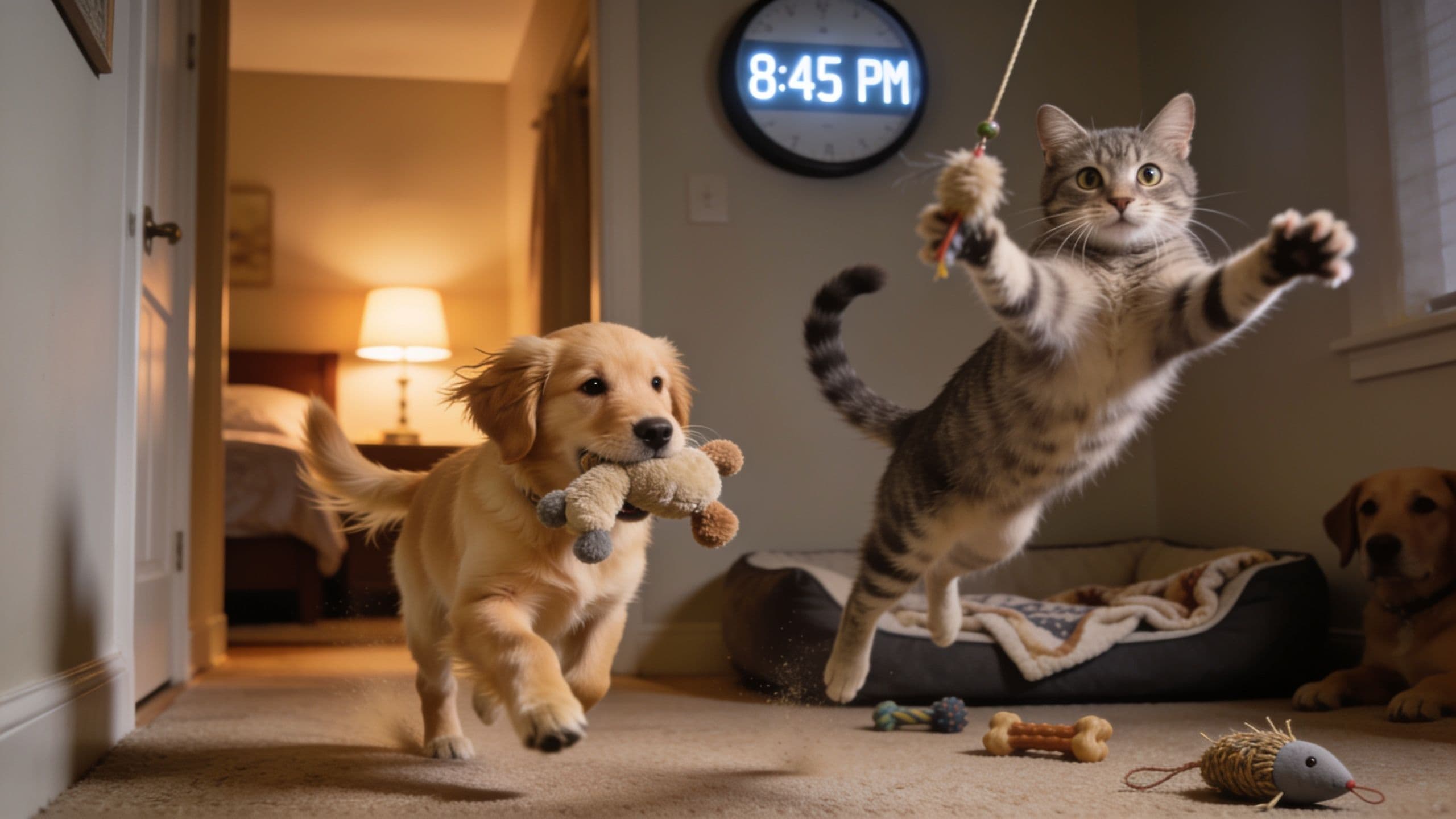
The same delay before dinner, a walk, or a toy can set off two very different performances. Dogs often advertise their impatience with movement and noise, while cats tend to use timing, positioning, and selective persistence to get what they want.
Avery writes about trends, platforms, and strategic shifts in pets & animal lifestyle, with attention to what matters in practice.
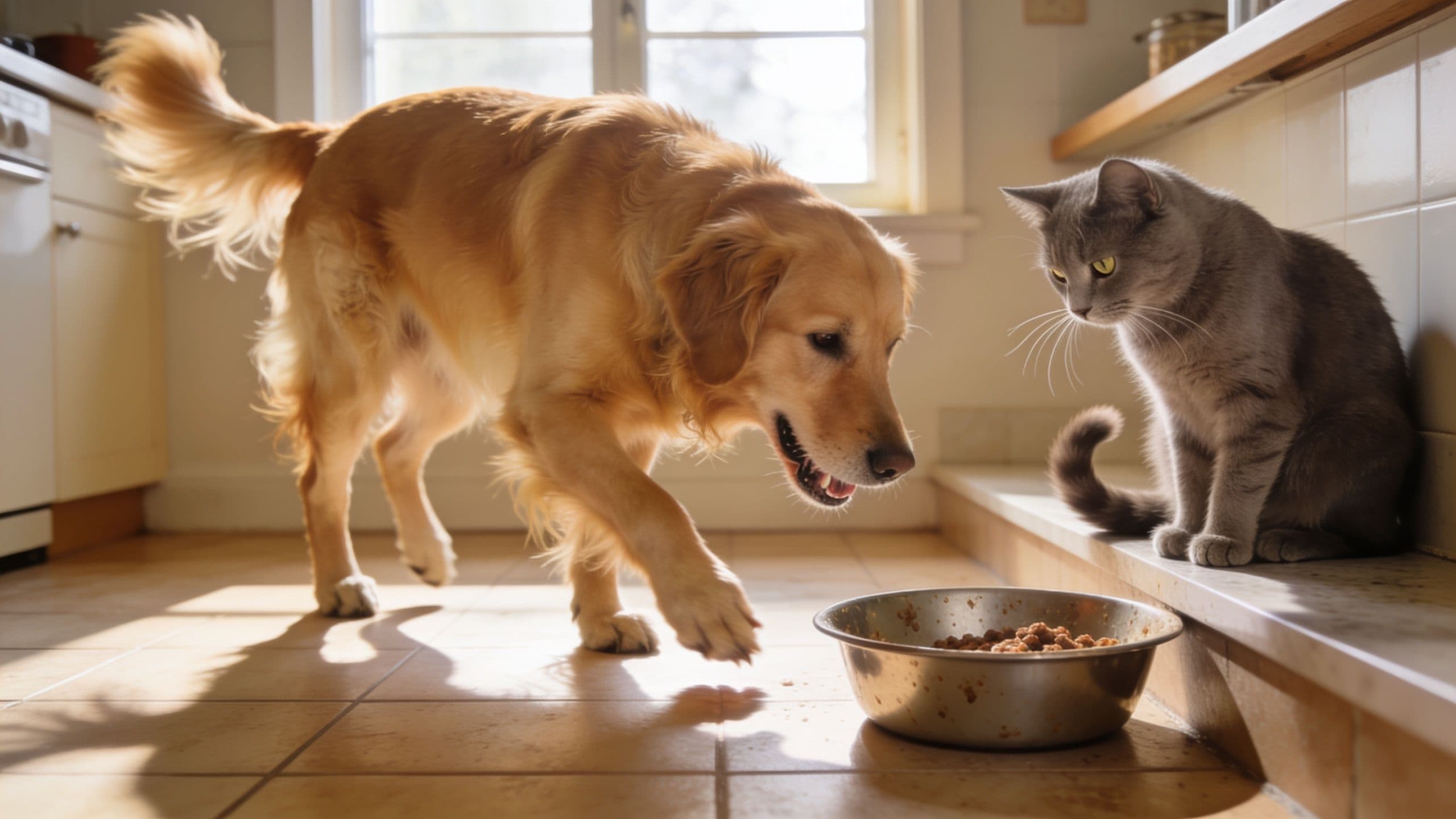
Waiting is one of the easiest ways to see the everyday difference between dogs and cats. Give both species the same small delay before dinner, play, or attention, and the contrast is immediate. Dogs often make anticipation visible: pacing, watching, whining, wagging, hovering. Cats are more likely to turn waiting into a strategy: a fixed stare, a carefully placed body in your path, a meow deployed at exactly the right second, or a mysterious disappearance followed by perfect re-entry when the food bowl finally moves.
Neither style is more patient in any moral sense. They simply express expectation differently, and owners end up feeling those differences many times a day.
The moments that expose the gap fastest
Some parts of home life repeatedly trigger waiting behavior because pets can predict them with surprising precision.
Before meals
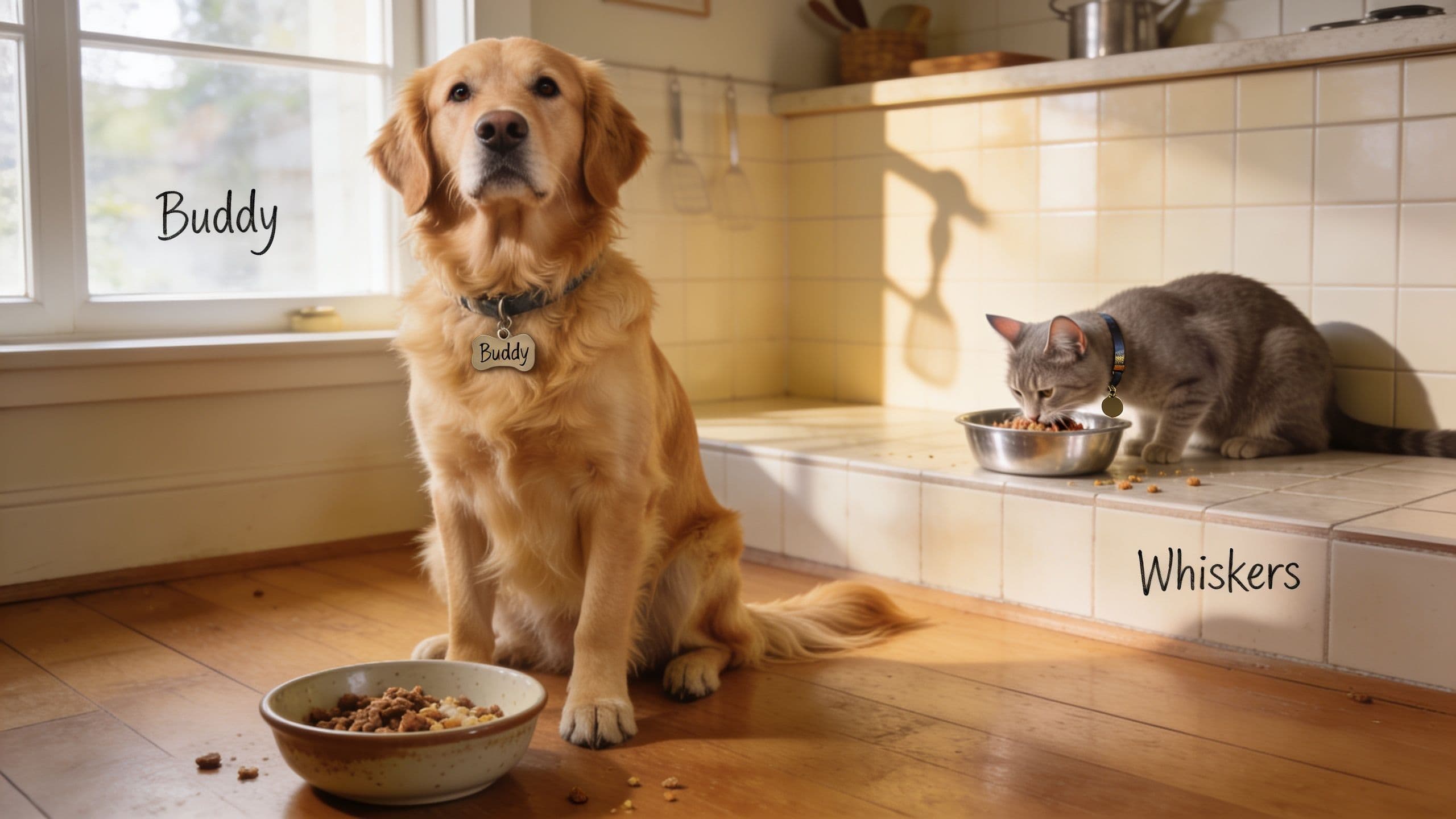
Dogs often start the pre-dinner campaign early. They may follow you into the kitchen, circle the feeding area, glance between you and the bowl, or escalate into vocal reminders. In multi-dog homes, anticipation can become contagious, with one dog's excitement raising the whole room's energy.
Cats usually look less theatrical at first, but they can be every bit as punctual. Many owners know the cat who appears ten minutes before the usual feeding time, sits in a highly visible spot, and stares until someone responds. Others use targeted meowing, paw taps, or countertop appearances that seem designed for maximum interruption.
At the door
Before a walk, many dogs behave as if the event is already happening. Leash retrieval, spinning, tail sweeps, pawing, or nose-to-door positioning are common. Waiting is active and outward.
Cats at a closed door often show a different kind of insistence. Some sit silently at the threshold like tiny supervisors. Others scratch once, pause, then repeat at intervals that seem calibrated to be impossible to ignore. Indoor cats who want access to a room, balcony, or human may alternate between stillness and brief, highly effective protest.
During work hours
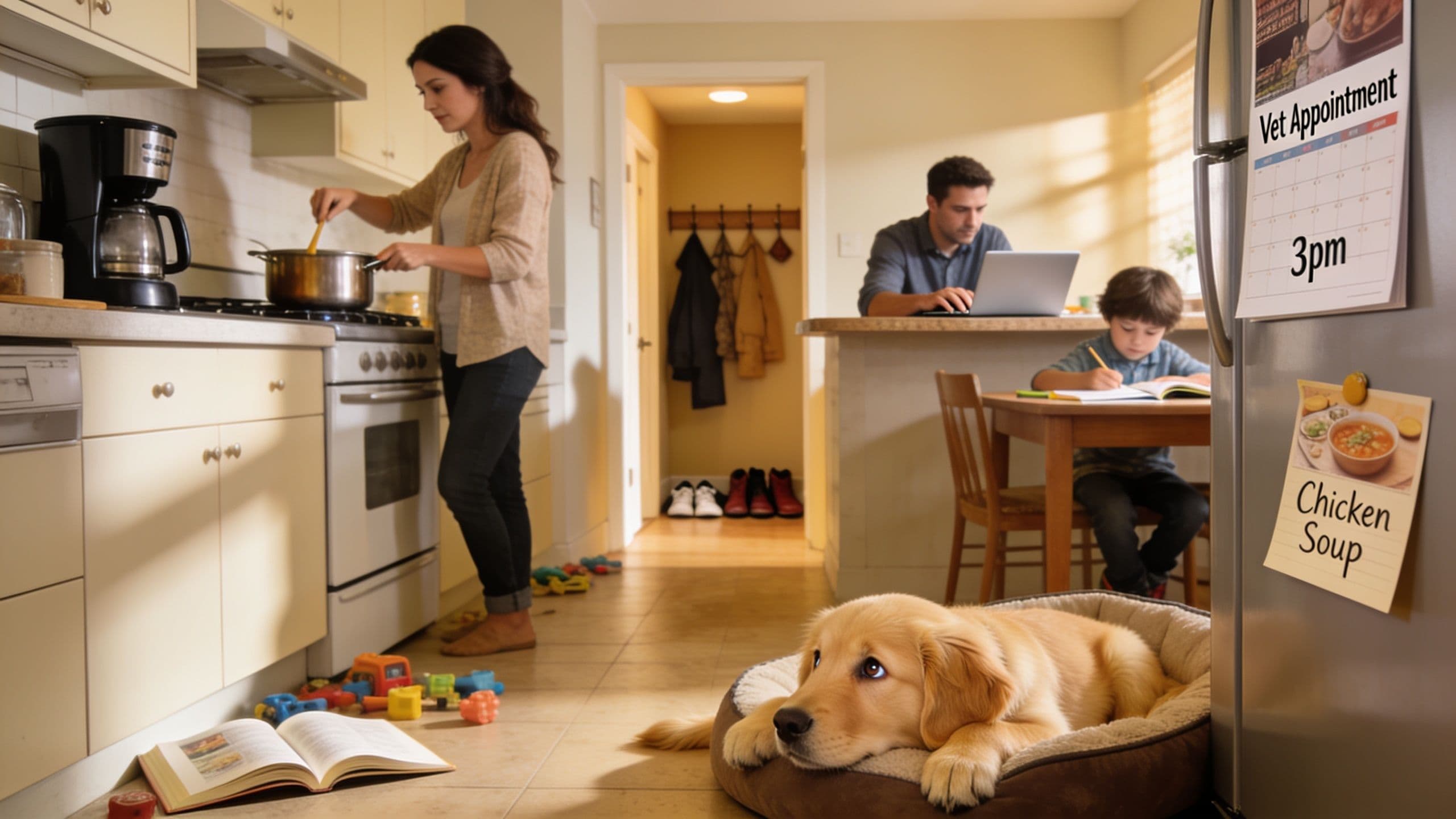
Owners who work from home get a daily comparison test. A dog may spend the afternoon checking in physically, nudging for a break, dropping a toy near your chair, or resting close by in visible expectation.
A cat may wait with more distance but no less purpose. It might settle on the desk edge, plant itself on the keyboard, or vanish for hours and return exactly when you join a call. The timing can feel almost comic, but it reflects a different style of monitoring and intervention.
Before play or attention
Dogs frequently try to turn desire into interaction. They bring balls, push noses under hands, lean against legs, or maintain eye contact until the human gives in. Even stillness in a dog can be demonstrative; the dog is often still in your direction.
Cats are more selective in presentation. Some chirp and dart toward a toy storage area, while others station themselves beside the wand toy or the exact blanket where lap time usually happens. Their waiting often depends on being in the right place at the right moment rather than sustaining obvious activity the whole time.
Dogs tend to advertise anticipation
Dog waiting behavior often reads as open broadcast. Even calm dogs usually make their expectation socially legible.
Part of that comes from how many dogs are oriented toward human-led routines. They watch body language closely, notice repeated sequences, and often treat delay as part of an interaction they are trying to move forward. If you put on shoes, touch a leash hook, or open the pantry, many dogs respond before the event itself begins.
That is why impatience in dogs often looks kinetic. Common patterns include:
pacing between the person and the desired outcome
staring with full-body tension
tail movement that tracks rising excitement
whining, huffing, or soft barks
bringing an object to restart the interaction
close-range hovering that leaves little doubt about the request
For owners, this can make dogs seem less patient than cats. But dogs are also simply easier to read. Their waiting behavior is often social, obvious, and designed to pull a response from the human in real time.
Cats often turn waiting into placement and timing
Cats can look calmer while still being intensely focused on the same goal. Instead of broadcasting anticipation nonstop, many cats use interruption with precision.
A cat waiting for food may not pace the kitchen floor. It may sit directly where you must step next. A cat wanting attention may not nudge continuously. It may place one paw on your arm, hold eye contact, and let the silence do the work. A cat waiting for play may disappear, then materialize the second you stand up, as if it had been tracking your schedule from another room.
This can make feline impatience easier to underestimate. Owners often describe cats as aloof until they notice how effectively cats shape human behavior through routine, location, and repetition.
Typical cat tactics include:
sitting in a chokepoint, doorway, or stair landing
meowing briefly but persistently rather than continuously
staring from a visible perch
knocking, tapping, or scratching with selective timing
appearing only when a cue is strongest
leaving when ignored, then trying again later
That last point matters. Cats often seem more willing to pause the campaign and return later, while dogs may keep the interaction live for longer stretches.
What these patterns reveal about social style
The daily contrast is not just cute; it reveals how each species often handles access, attention, and predictability.
Dogs commonly treat waiting as a shared event. They want you to know they are waiting, and many act as if visible participation improves the odds. Even frustration is often relational. The pacing, staring, and vocalizing are part message, part emotional overflow.
Cats often treat waiting as a problem of leverage. Their approach can look more self-contained, but it is still highly social. They just tend to rely on position, timing, and repeatable pressure points rather than sustained display.
That difference also affects how owners interpret emotion. A pacing dog reads as obviously impatient. A silent cat on the counter can look composed, even when it is carrying just as much expectation. The behavior is quieter, not necessarily weaker.
Owners shape the waiting pattern more than they realize
One reason these habits become so familiar is that humans train them accidentally.
If a dog gets taken out only after whining at the door, whining becomes part of the door routine. If a cat receives food right after jumping onto the nightstand and meowing, the nightstand becomes a successful stage. Pets repeat what works, and waiting behavior often evolves into a species-specific negotiation between animal and owner.
A few factors strongly influence how intense the waiting becomes:
Response speed
If the response always comes at the first sign of demand, anticipation can quickly become escalation. The pet learns that the earliest possible signal is worth trying.
Consistency of cues
Clear routines usually make waiting easier. When meals, walks, or play happen around predictable times and are preceded by stable cues, many pets show less frantic behavior because the sequence feels reliable.
Accidental reinforcement
Owners often reward the most annoying behavior simply because it is hardest to ignore. That applies to dogs that bark for the leash and cats that stand on the laptop five minutes before dinner.
Built-in outlets
A dog with enough physical activity and a cat with regular play sessions often waits more smoothly. Anticipation is still there, but it is less likely to spill into constant agitation.
Making waiting easier without flattening personality
The goal is not to remove anticipation entirely. Eagerness is part of what people love about pets. The goal is to keep waiting from turning into stress or a highly polished nuisance routine.
For dogs, it helps to reward calmer pre-routine behavior: sitting before the leash goes on, standing quietly before the bowl is placed, or settling briefly before a toy is thrown. For cats, success often comes from structured timing and redirecting the tactic, such as offering play before the usual demand spike or rewarding quiet presence instead of disruptive interruption.
Most importantly, owners should notice the sequence they are reinforcing. Dogs may ask loudly and continuously. Cats may ask with surgical precision. Both are students of cause and effect.
That is why waiting behavior is such a revealing daily comparison. A dog often turns anticipation into an event everyone can witness. A cat often turns it into a carefully timed maneuver. Same household, same delayed reward, completely different performance.
Safety & Scope
This article is for general informational purposes and does not replace professional advice for complex repairs or installations.
Frequently Asked Questions
+Why does my dog pace while my cat just stares at me?
Dogs often express anticipation through movement and close social engagement, so pacing, hovering, and vocalizing are common. Cats are more likely to use stillness, eye contact, and strategic positioning to apply pressure without constant motion.
+Do cats and dogs show impatience in different ways?
Yes. Dogs often show impatience openly through pacing, tail activity, whining, or bringing objects. Cats tend to use shorter, more targeted behaviors such as sitting in your path, timed meows, scratching once and pausing, or appearing exactly when a routine is about to happen.
+Can owners make waiting easier for pets?
Usually, yes. Predictable routines, clear cues, enough exercise or play, and rewarding calmer behavior can reduce frantic waiting. It also helps to avoid accidentally reinforcing the loudest or most disruptive demand behavior.