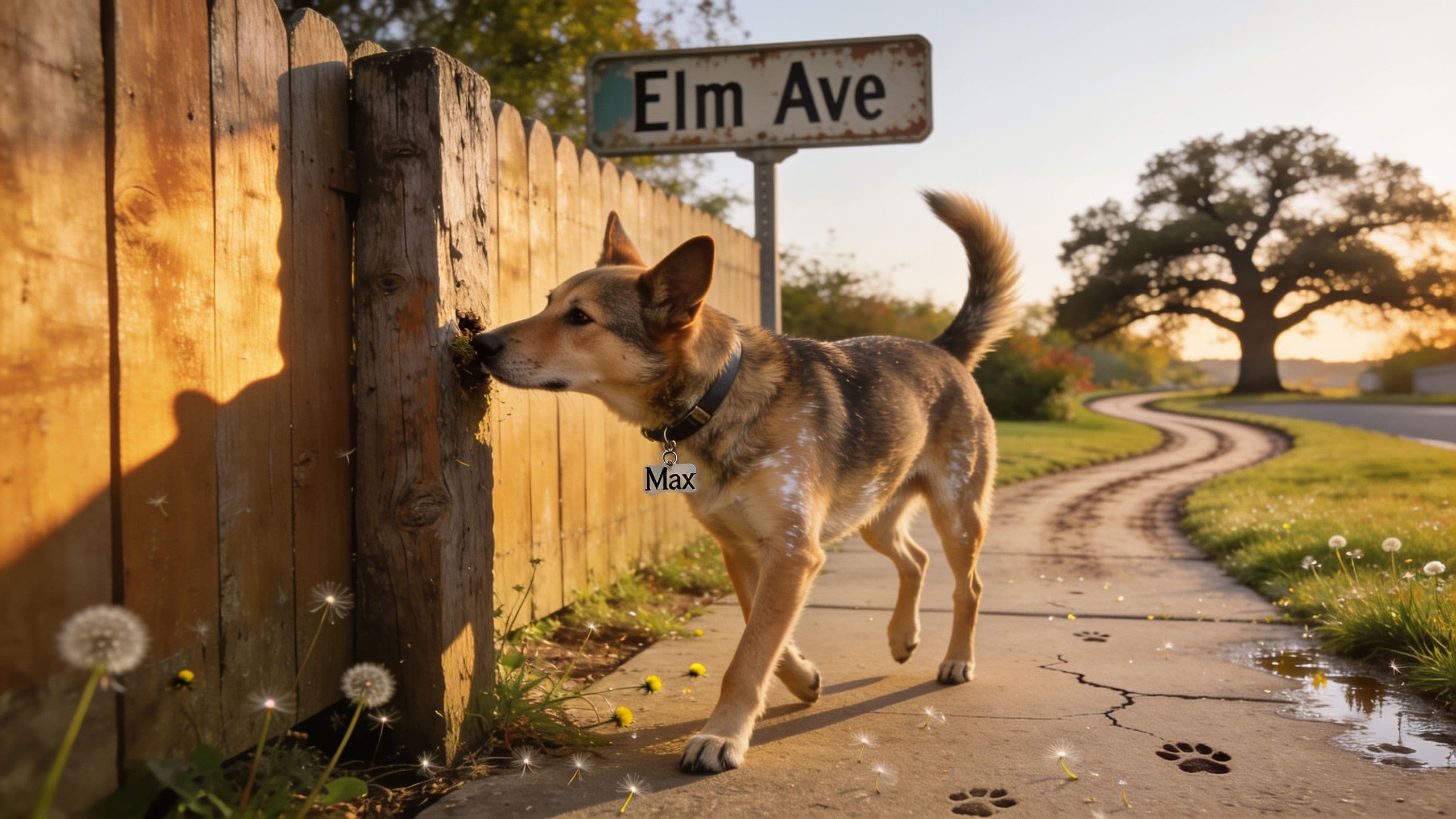
Dog Names Work Best When They Sound Different From Daily Chatter
A dog’s name is one of the most repeated sounds in its life. Names that stand apart from everyday household language are easier for dogs to notice, learn, and respond to consistently.
Maya covers pets & animal lifestyle with an emphasis on practical analysis, products, and real-world impact.
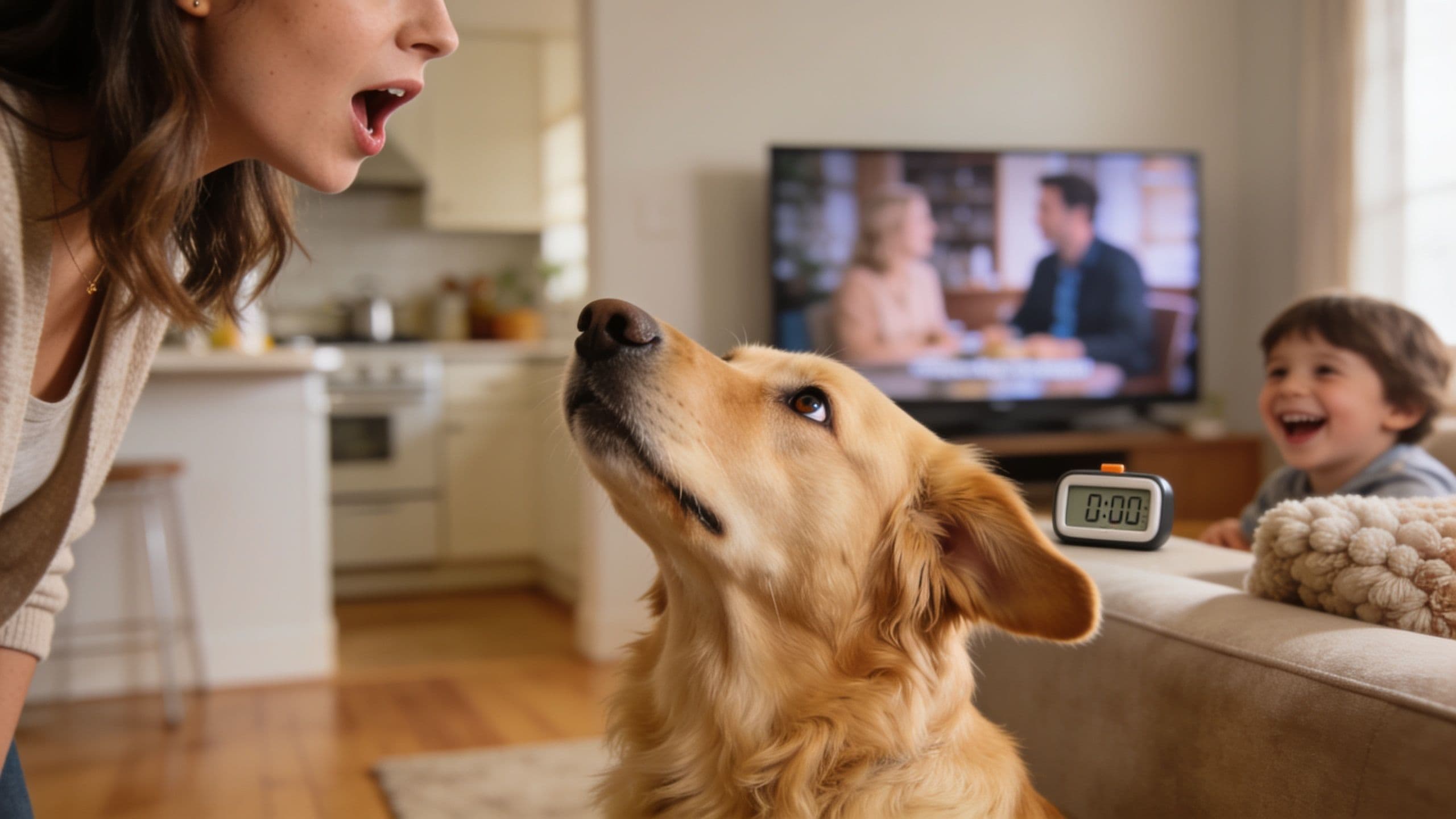
A dog’s name is less like a label and more like an audio signal. If that signal blends into the constant noise of home life—conversation, nicknames, commands, jokes, and repeated phrases—it becomes harder for the dog to pick out quickly. That is why some names seem to “stick” almost immediately while others produce spotty, inconsistent responses.
For new owners, this often looks like stubbornness. More often, it is a communication problem. Dogs are not parsing language the way people do. They are listening for familiar sound patterns, tone, timing, and what usually happens next.
A good dog name cuts through the soundtrack of home life
The easiest names for dogs to recognize usually have a distinct shape. They sound different from common household words, they are short enough to say cleanly, and they do not get swallowed by everything else happening in the room.
Names often work well when they have:
One or two crisp syllables
A clear vowel sound or strong ending
Consonants that create contrast, such as K, T, B, or D sounds
Little overlap with words the dog hears all day
That is one reason names like Luna, Bailey, Milo, Koda, Ruby, and Tucker often feel easy to use. They are not magic names, but they tend to be distinct in everyday speech. By contrast, a name that sounds too much like “no,” “sit,” “stay,” “come,” or a family member’s name can get muddy fast.
The problem is not just similarity to training cues. It is similarity to routine chatter. If a dog hears sounds close to its name in ordinary conversation all day, the name loses some of its sharpness. A dog named Ray may hear something close in “ready,” “Rachel,” or “right here.” A dog named Bo may hear overlap with “no,” “go,” and “throw.” That does not make those names unusable, but it can make recognition less automatic.
Why dogs respond better to some sounds than others
Dogs do not need a name to understand identity in the human sense. What they learn is that a specific sound predicts attention, interaction, food, movement, praise, or instruction. Over time, that sound becomes meaningful because it consistently points to something relevant.
When the sound is distinctive, the learning is cleaner. When it is buried inside lots of similar noise, the dog has to work harder to sort signal from background.
The ending matters more than many owners realize
Many dogs respond especially well to names with a bright ending sound, such as an “ee” or open vowel: Charlie, Maisie, Remy, Coco, Teddy. Trainers have long favored names that are easy to project and easy for the dog to discriminate at a distance. A sharp or upbeat ending tends to carry well across a room, a yard, or a park.
That does not mean every good dog name must sound cheerful or sing-song. It means the name should be easy to say the same way every time. If the name trails off, gets mumbled, or changes rhythm depending on who says it, recognition often weakens.
Tone and context shape the response
Dogs are experts at reading delivery. A name spoken warmly during dinner prep, walk preparation, couch cuddles, and greeting rituals will usually gain strong positive meaning. A name used mainly when the dog is in trouble can become easy to ignore or actively avoid.
This is one of the most common reasons owners say, “He knows his name, but only when he feels like it.” Often the dog knows the sound perfectly well. It just predicts interruption, restraint, nail trims, leaving the park, or the end of fun.
Good names get blurred by bad habits
Even a well-chosen name can lose power when people use it loosely.
The biggest culprit is nickname sprawl. A dog named Winston becomes Win, Winnie, Bubba, Mister Man, Sir Winston, Wiggles, and Stinky. Affection is not the problem; inconsistency is. If every family member uses a different version, the dog may recognize several sounds vaguely instead of one sound clearly.
A second problem is background repetition. Owners often say the name over and over without any follow-through:
“Bella, Bella, Bella…” while looking at a phone
“Max? Max. Max!” from another room
“Cooper, no, Cooper, come on, Cooper” during chaos at the door
Repeated name use without a clear outcome teaches the dog that the sound is optional wallpaper. The name stops functioning like a meaningful cue and starts functioning like ambient noise.
A third issue is attaching the name to too many negative moments. If the dog mostly hears its name before being interrupted, scolded, crated, or called away from something enjoyable, response will often get slower. The name itself becomes loaded.
The daily routines that make or break name recognition
Name response is built less in formal training sessions than in ordinary repetition. The home provides dozens of chances each day to sharpen or dull the cue.
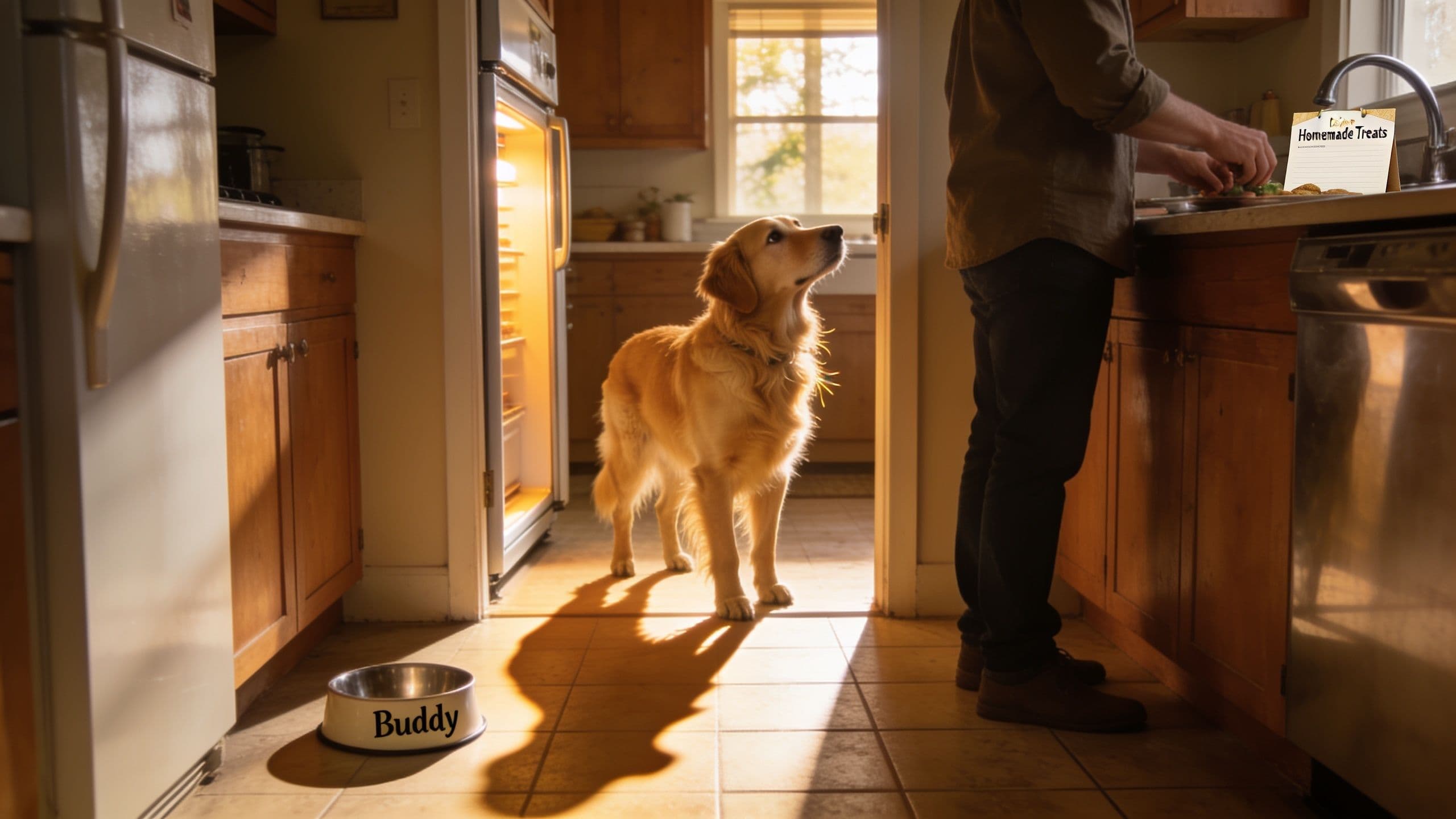
Meal times
This is one of the easiest places to build clarity. Say the name once, then immediately deliver attention, movement, or the bowl. The dog learns that hearing the name and orienting toward you pays off.
Walk preparation
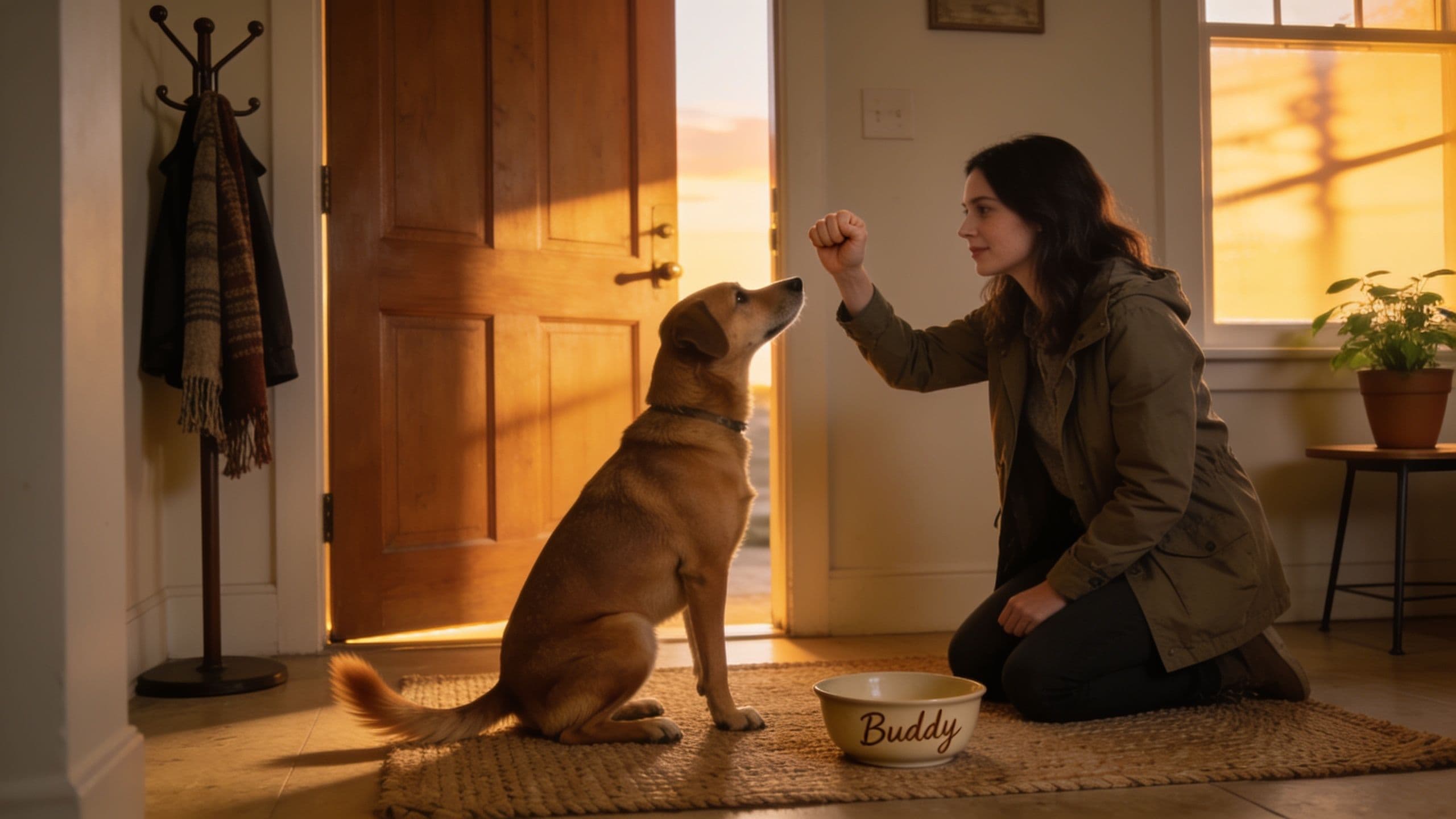
Leash time is highly motivating for most dogs. Saying the name once before clipping the leash, opening the door, or starting the walk helps link the sound to something rewarding and predictable.
Indoor recall
Across a room or down a hallway, the name should act like a clean attention marker. Say it once, wait for the head turn or eye contact, then reinforce with praise, play, petting, or a treat. If the dog does not respond, avoid chanting the name. Move closer, reset, and make success easier.
Greeting rituals
When you come home, the name is often one of the first sounds the dog hears. This makes arrival a powerful training moment. A cheerful, single use of the name followed by attention can strengthen response without making it feel like a drill.
How to choose a name that stands out
For adopters still deciding on a name, clarity beats cleverness. A good test is simple: can you say the name quickly, clearly, and in the same way every time? And does it sound noticeably different from the words your household uses all the time?
A practical shortlist usually avoids names that:
Sound too close to cues like sit, stay, no, down, or come
Match a person’s name used constantly in the home
Depend on subtle pronunciation differences
Invite endless shortening into completely different sounds
This is also why many trainers recommend trying the name aloud in realistic situations, not just on paper. Say it from the kitchen, at the front door, outside on leash, and across a room with the TV on. Some names look great written down and disappear when spoken.
If you are renaming an adopted dog, the same principle applies. Dogs can learn new names quickly when the sound is distinct and consistently paired with positive attention. Shelters and rescue groups often rename dogs successfully for exactly this reason.
Sharpening your dog’s response without turning it into a formal command
A dog’s name does not have to become a military cue to become reliable. It just needs cleaner use.
Start with three habits:
1. Say the name once. Then give the dog a reason to care—eye contact, praise, food, movement, or play. 2. Protect the name from clutter. Do not let it become constant background chatter. 3. Keep it mostly positive. Use other cues or gentle interruption strategies instead of loading the name with tension.
If your dog already responds inconsistently, a brief reset helps. For a week or two, use the name in easy moments and reinforce every successful head turn or check-in. This can rebuild the name’s value surprisingly fast.
The larger point is simple: the best dog names are the ones a dog can actually hear as distinct from the rest of domestic life. Not the most original name, not the most human-sounding name, and not the one that looks best on a bandana. The strongest names stand apart from daily chatter, arrive consistently, and predict something worth noticing.
When that happens, response feels less like obedience and more like fluency.
Safety & Scope
This article is for general informational purposes and does not replace professional advice for complex repairs or installations.
Frequently Asked Questions
+Why does my dog ignore its name sometimes?
Often because the name has become background noise or predicts something the dog does not enjoy. Repeating it too often, using many nicknames, or saying it mainly during interruptions can weaken response.
+Can nicknames confuse a dog?
They can, especially if the nicknames sound very different from the original name and different people use different versions. Some dogs learn multiple nicknames, but consistency usually produces faster recognition.
+What kinds of dog names are easiest for dogs to recognize?
Names that are short, distinct, easy to say clearly, and different from common household words and training cues are usually easiest for dogs to notice and learn.