Common Mistakes Pet Owners Make and the Small Fixes That Change Everything
Most pet-owner mistakes start with good intentions. The real problems are usually small, everyday habits that confuse pets, reward the wrong behavior, or make home life harder than it needs to be. The good news: simple routine changes can improve trust, behavior, and calm surprisingly fast.
Jordan specializes in turning complex pets & animal lifestyle topics into clear, useful explainers for everyday readers.

Pets rarely struggle because their owners do not care. More often, they struggle because daily life sends mixed signals. A dog that jumps, a cat that hides, or a puppy that seems to ignore training is not usually being difficult in a human sense. The animal is responding to patterns, timing, and environment.
That is why many of the most common mistakes pet owners make are not dramatic. They are ordinary habits: changing the rules, missing stress signals, offering attention at the wrong moment, or expecting pets to adapt to a home that was designed entirely for people. For first-time dog and cat guardians especially, smarter routines tend to matter more than perfect technique.
Inconsistency creates confusion faster than owners realize
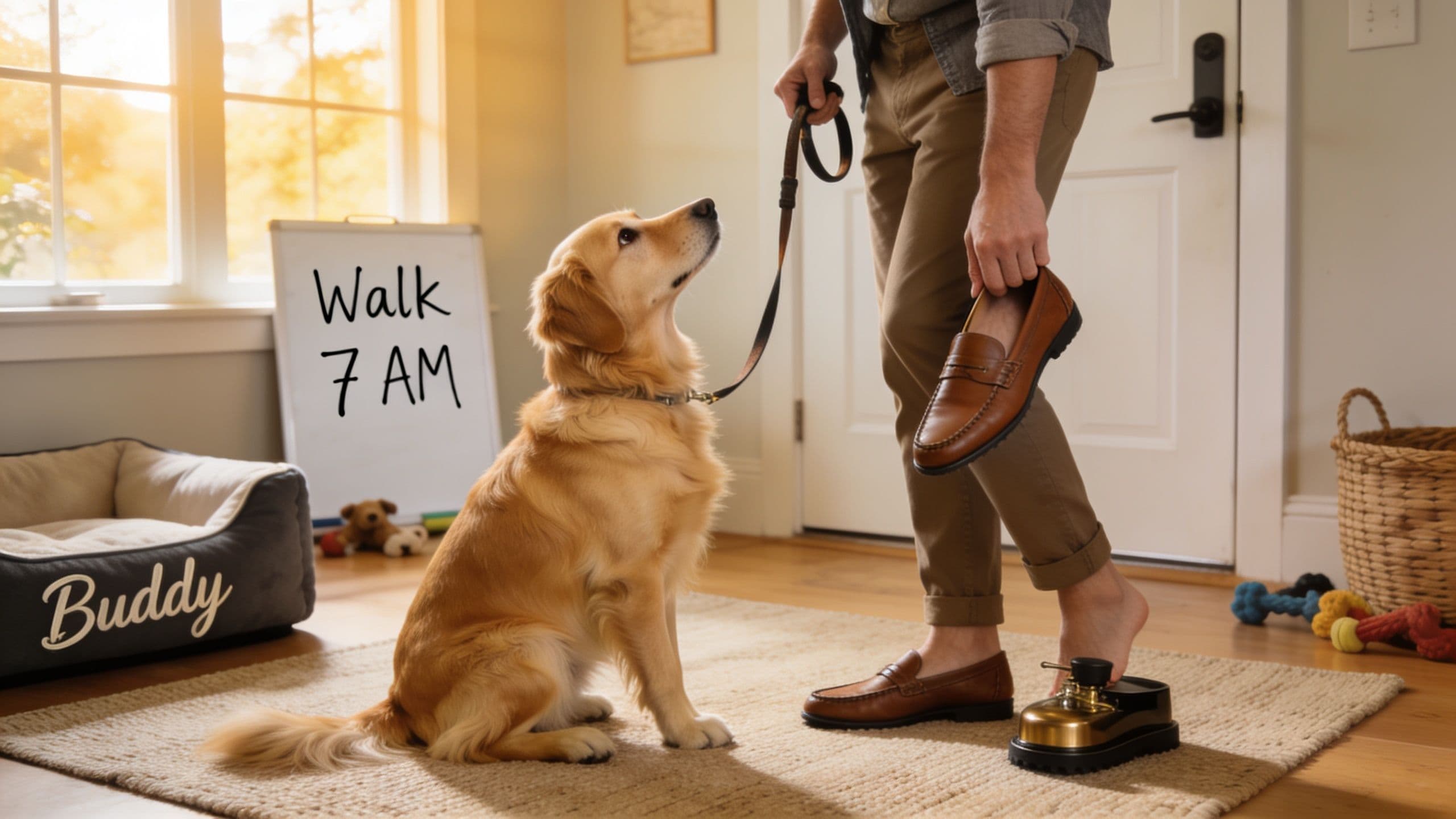
If one person allows the dog on the sofa and another scolds it, the dog is not learning a rule. It is learning unpredictability. The same applies to feeding times, walk schedules, crate cues, litter-box placement, and even the words used for simple behaviors like “down,” “off,” or “come.”
Pets do best when the world makes sense. Repetition helps them predict what will happen next, which lowers stress and improves cooperation. Inconsistent timing can also make house-training, leash manners, and meal behavior much harder than they need to be.
Common examples include:
Rewarding calm behavior some days but not others
Moving food, water, beds, or litter trays without a clear reason
Using several commands for the same action
Expecting different behavior on weekends than on weekdays
A practical fix is to choose a handful of non-negotiables and keep them stable for two weeks. Pick the same cue words, feed at roughly the same times, and agree on household rules. Consistency is often the fastest “training upgrade” available.
Pets do not follow human logic; they follow outcomes and patterns
Owners often assume a pet should understand intention. People think, “He knows I am late today,” or “She knows I do not like scratching the chair.” But pets are not evaluating fairness or reasoning through context in the human way. They are learning which actions lead to comfort, attention, access, relief, or stimulation.
That gap between human logic and animal learning causes a lot of frustration. A dog that steals socks may not be acting out; it may have discovered that socks reliably start a game of chase. A cat that knocks items off a shelf may not be spiteful; the behavior may be stimulating, attention-getting, or simply self-reinforcing.
This matters because correction without changing the pattern usually fails. If a pet keeps practicing a behavior and still gets some kind of payoff, the behavior survives.
Better questions to ask are:
What happens right before this behavior?
What does my pet gain from it?
What alternative behavior can I make easier and more rewarding?
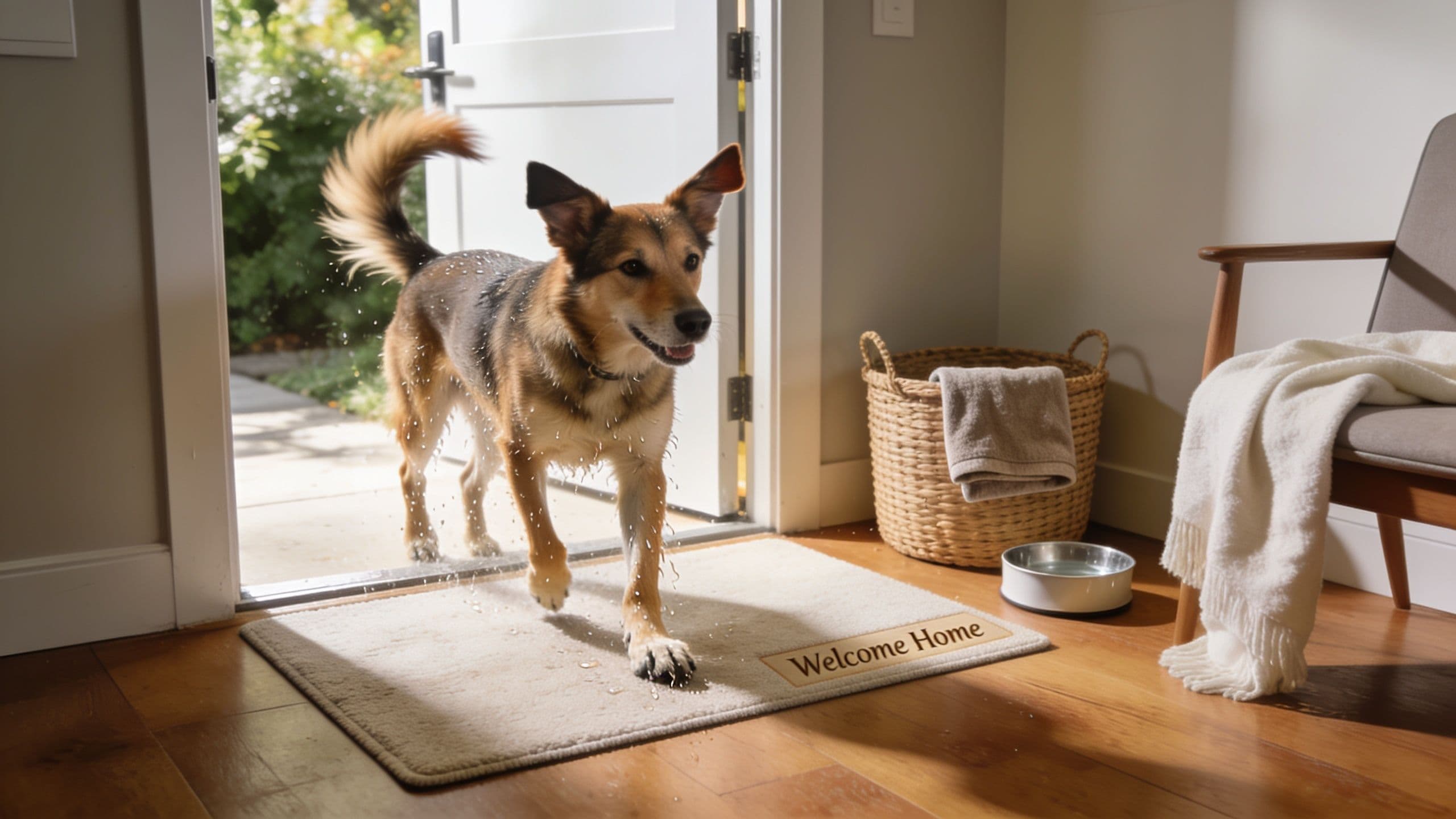
For example, if a dog jumps at the door because arrivals are chaotic, teach a simple stationing routine near the entryway and reward four paws on the floor. If a cat scratches the sofa arm, place a scratcher directly beside that spot rather than across the room and reward investigation or use.
Subtle communication gets missed until behavior becomes a problem
Pets usually communicate discomfort long before owners label something a behavior issue. The problem is that early signals are easy to dismiss.
In dogs, stress can show up as lip licking, yawning when not tired, looking away, pacing, freezing, or suddenly becoming hyper. In cats, signs may include tail flicking, skin twitching, hiding more, avoiding touch, overgrooming, or changes in litter-box habits. These are often treated as quirks instead of useful feedback.
When those signals are ignored, pets may escalate. A dog that was uneasy around guests may start barking harder. A cat that disliked being picked up may begin swatting. Owners then feel blindsided, even though the pet has often been signaling for days or weeks.
A better habit is to notice the threshold before the blowup. Ask:
Is my pet tired, overstimulated, or cornered?
Has the household become noisier or less predictable?
Does this happen at a certain time, in a certain room, or around certain people?
Keeping a short behavior note on your phone can help. Time of day, trigger, and response are often enough to reveal a pattern.
Boredom and under-enrichment often masquerade as bad behavior
Many pets are under-challenged, especially indoor cats and high-energy dogs living on human schedules. A short walk and a food bowl may not meet the animal’s need to sniff, explore, problem-solve, climb, stalk, chew, or forage.
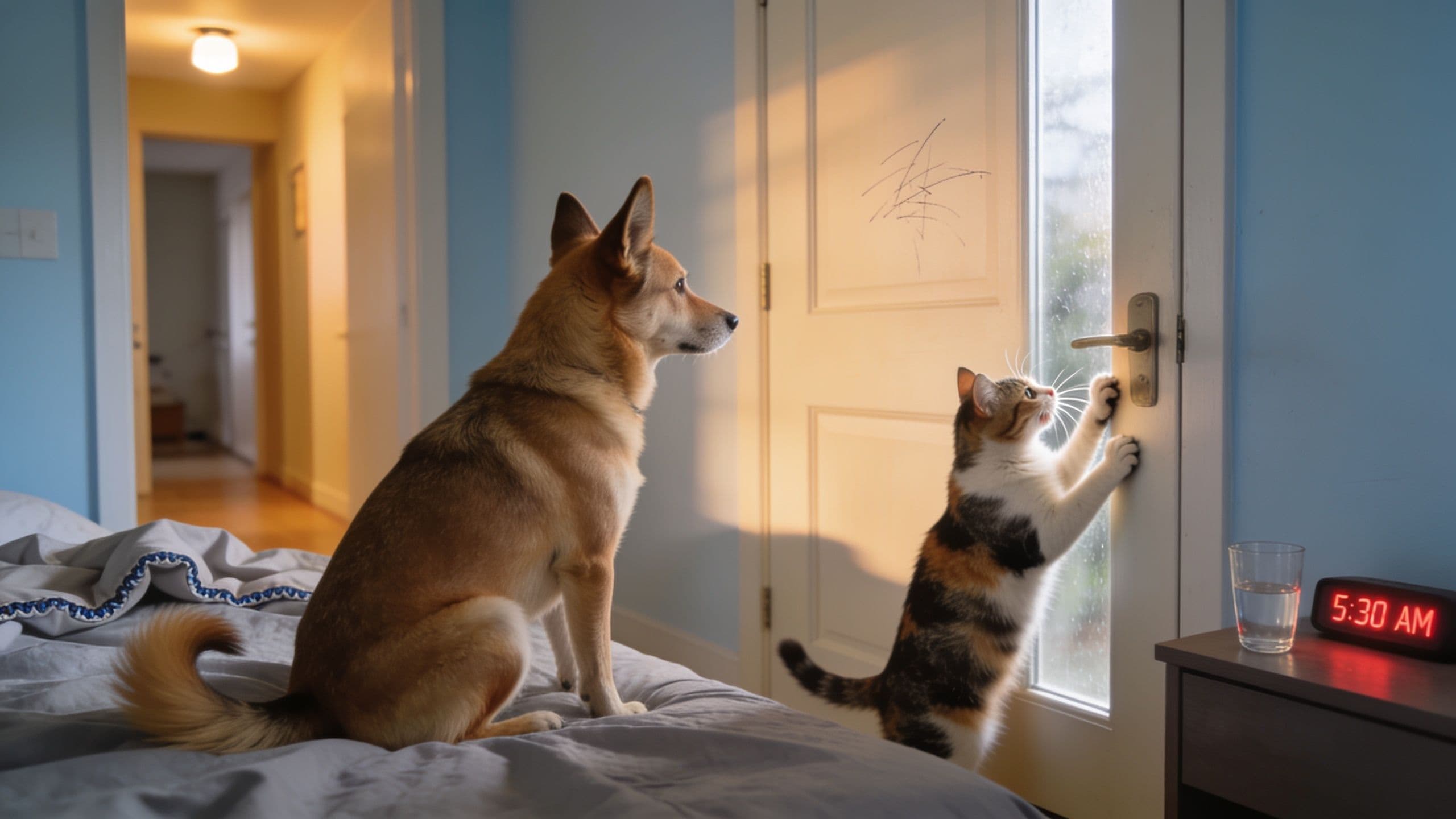
That mismatch can show up as nuisance behavior: barking, chewing, counter surfing, nighttime zoomies, scratching furniture, pestering for attention, or waking owners early. In some homes, the issue is not disobedience. It is unmet need.
Enrichment does not have to mean expensive gear or advanced training. It means giving pets species-appropriate ways to do what they are built to do.
Useful upgrades include:
Scatter feeding or puzzle feeders instead of always using a bowl
Sniff-heavy walks that allow some time for exploration rather than constant marching
Rotating toys so they stay novel
Short training sessions for cues, tricks, or cooperative care
Window perches, climbing options, and hiding spaces for cats
Chew items and lick mats for dogs that need help settling
Even ten focused minutes can change the tone of a day. The key is matching the activity to the pet in front of you rather than copying a generic routine.
Owners often reward the exact behavior they want less of
Accidental reinforcement is one of the most common mistakes pet owners make because it feels harmless in the moment. A dog barks and gets eye contact. A cat paws at a sleeping owner and gets breakfast. A puppy mouths hands and gets animated attention. From the pet’s point of view, the behavior worked.
Timing matters more than many owners expect. Rewarding a pet even a few seconds too late can blur the lesson. Mixed emotional responses also confuse things. Laughing at a behavior one day and correcting it the next usually strengthens persistence.
That does not mean owners should become cold or robotic. It means being clearer about what earns attention.
A simple rule: pay more for behavior you want repeated.
That might look like:
Greeting your dog only when it is relatively calm
Waiting for a sit before putting down the food bowl
Rewarding a cat for using an approved scratcher, perch, or resting area
Offering attention before a pet starts demanding it loudly
Prevention helps too. If your dog steals laundry, reduce access to laundry. If your cat raids plants, move the plants and improve the cat’s legal climbing or play options. Management is not failure. It is part of good training.
Forcing interaction can weaken trust, especially with shy pets
Many owners try to speed up bonding by insisting on petting, holding, introducing visitors, or pushing play. Usually the intention is affectionate. The result can be the opposite.
Cats that walk away, dogs that turn their heads, or newly adopted pets that retreat are setting boundaries. Respecting those signals is not “giving in.” It is how trust grows. This is especially important with rescue pets, nervous puppies, senior animals, and pets adjusting to a new home.
A more effective approach is to let the animal control more of the interaction. Sit nearby instead of reaching immediately. Offer a treat toss rather than direct handling. End sessions while the pet still feels comfortable. In many cases, pets become more social once they stop feeling pressured.
The home setup matters here too. A household that works only for humans can create constant friction. If there is nowhere quiet to rest, no easy route away from children or other pets, or no elevated safe space for a cat, stress accumulates.
A one-week reset can improve daily life quickly
If your pet has been feeling harder to manage lately, a full overhaul is rarely necessary. Start with a short reset:
1. Stabilize the basics
Keep meals, walks, play, and rest times more predictable for seven days.
2. Choose one clear rule
For example: no jumping on greetings, or no waking people for breakfast. Make sure everyone responds the same way.
3. Add one enrichment upgrade
Try a food puzzle, a sniff walk, a cardboard box hunt for your cat, or a five-minute training game.
4. Reward what you like sooner
Catch calm, quiet, settled behavior and reinforce it before your pet escalates into demand mode.
5. Reduce one known friction point
Create a quiet bed area, add a scratcher near the sofa, close off the laundry basket, or move exciting greetings outdoors.
Most pet care improves not through stricter control, but through clearer patterns. When pets can predict the household, communicate safely, and meet their everyday needs in acceptable ways, behavior often becomes easier for everyone involved. The biggest shift is not thinking of pets as stubborn or dramatic. It is noticing what daily life keeps teaching them.
Safety & Scope
This article is for general informational purposes and does not replace professional advice for complex repairs or installations.
Frequently Asked Questions
+What is the most common mistake new pet owners make?
Inconsistency is one of the most common mistakes. Changing rules, using different cues, and keeping unpredictable routines can confuse pets and slow training. Clear household rules and repeatable daily patterns usually help quickly.
+Can inconsistent routines affect pet behavior?
Yes. Pets rely heavily on patterns. When meals, walks, rest, and responses from owners change constantly, stress and confusion can increase. That can show up as jumping, vocalizing, accidents, clinginess, or avoidance.
+How do I know if I am rewarding unwanted behavior?
If a behavior keeps happening and your pet gets attention, access, food, play, or relief afterward, you may be reinforcing it. Look at what happens immediately after barking, jumping, pawing, or pestering. Pets repeat behaviors that work.
+What are easy ways to improve a pet's daily routine?
Start with predictable feeding and activity times, one clear household rule, short enrichment sessions, and more rewards for calm behavior. Small changes such as puzzle feeding, sniff walks, scratchers in the right location, and quiet rest spaces can make a noticeable difference.