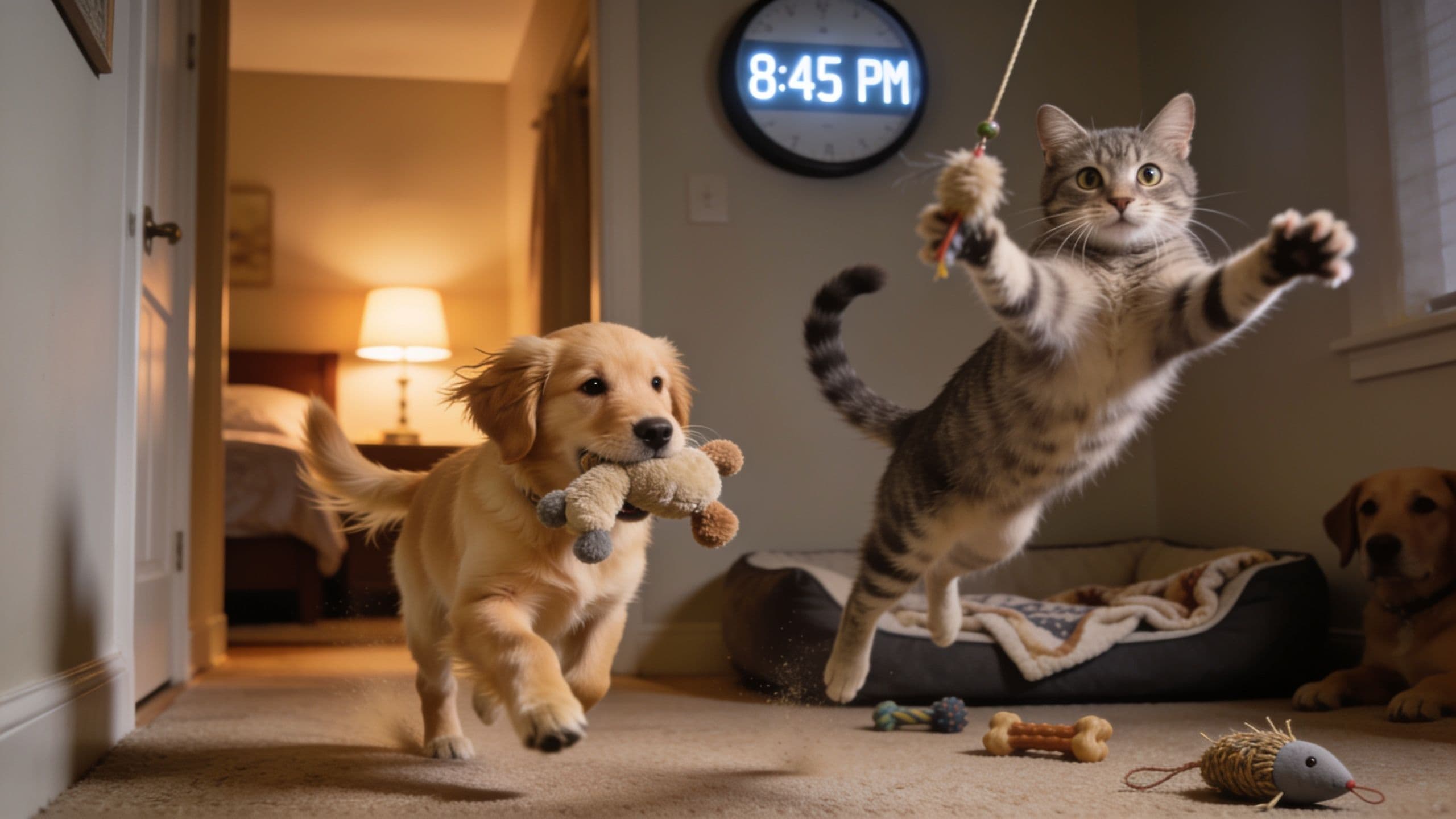
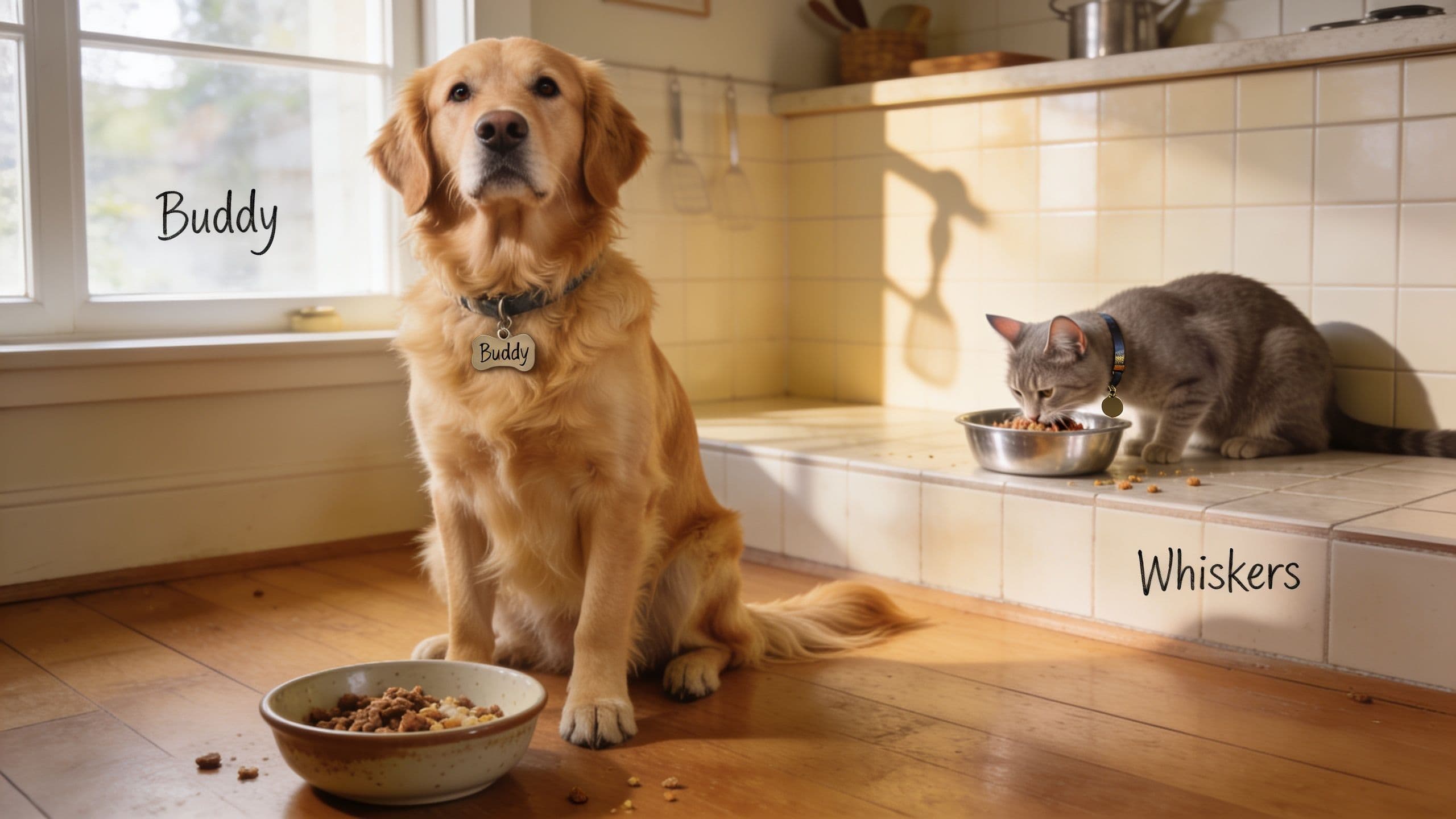
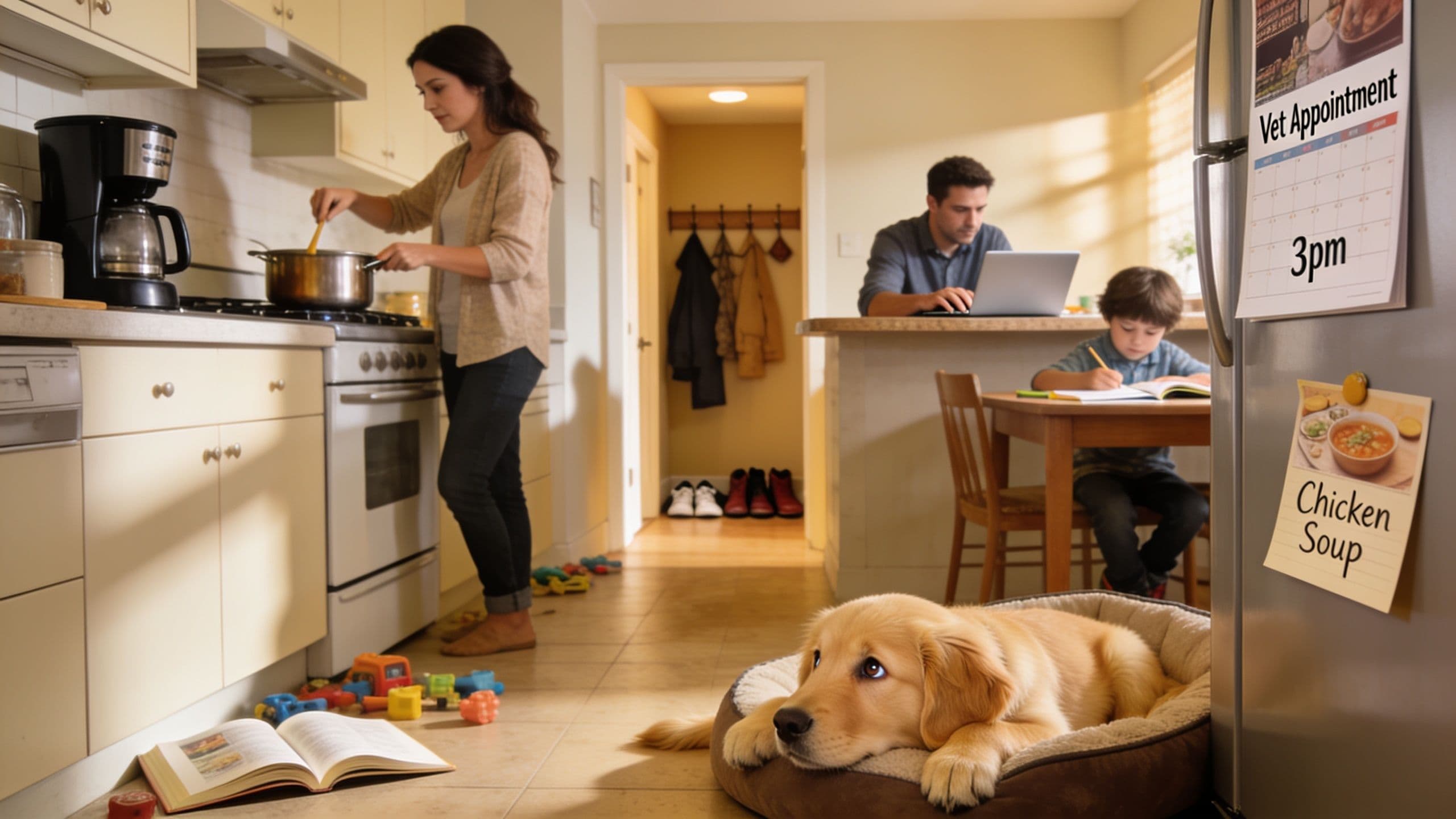
Cats and Dogs Build Trust in Opposite Directions
Cats and dogs both form deep bonds with people, but they often get there by opposite routes. Cats tend to trust through space, predictability, and consent, while dogs more often build confidence through shared activity, social participation, and steady reassurance.
Avery writes about trends, platforms, and strategic shifts in pets & animal lifestyle, with attention to what matters in practice.
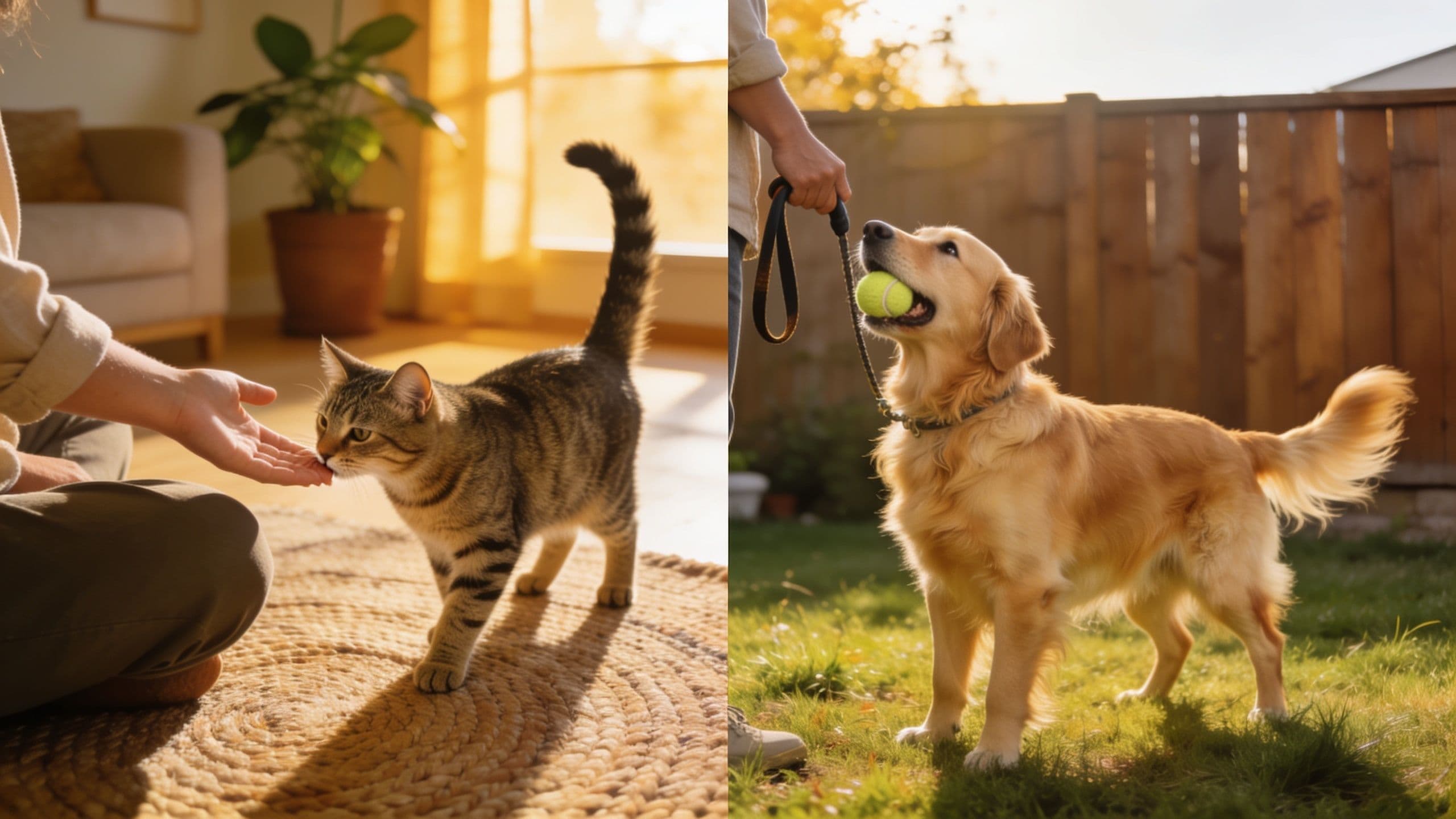
Trust is easy to misread when people expect every pet to show affection the same way. A dog that runs to the door, leans into contact, and eagerly joins every routine looks obviously attached. A cat that sits three feet away, watches quietly, and chooses brief moments of contact can look distant by comparison. Yet both behaviors can reflect real security. The difference is that cats and dogs often build trust in opposite directions.
For many dogs, trust grows through interaction. For many cats, trust grows through the freedom not to interact until they are ready. That distinction changes how owners should interpret attention, distance, enthusiasm, and even silence.
Why a cat often trusts through space first
A cat’s version of comfort is frequently less performative than a dog’s. Instead of proving trust through immediate enthusiasm, cats often prove it through relaxed proximity and choice. A cat that eats normally near you, naps in the same room, exposes its back while walking away, or returns after a small disturbance is showing something meaningful: it does not feel compelled to stay on guard.
This is why respectful space matters so much with cats. Many of them respond best when a person does not press for closeness. Sitting nearby, moving predictably, and allowing the cat to initiate contact can do more for the relationship than repeated attempts at petting or pickup. Trust, in this pattern, is invitation-based.
That does not mean cats are cold or detached. It means they often value control as part of safety. A cat that hops onto the couch but stays just out of reach may be doing exactly what trust looks like for that moment. The message is not rejection. It is confidence that it can share your space without being cornered by your expectations.
Predictability tends to matter more than intensity. Regular feeding times, familiar handling, and consistent responses help many cats settle. Sudden grabbing, loud greetings, or inconsistent boundaries can slow the process, even when the person means well. Owners who learn to notice the small signs, such as slow blinking, a relaxed tail, grooming in your presence, or choosing to face away from you without tension, usually discover that feline trust is less mysterious than it first appears.
Dogs usually trust through participation
With dogs, the pathway often runs the other way. Many dogs become secure through shared routines and active social involvement. Walks, training, play, greetings, and cooperative tasks are not just fun extras; they are often how the relationship itself is reinforced.
A dog that checks in on walks, brings a toy, follows household rhythms, or seeks reassurance after a startling noise is building trust through engagement. Rather than needing distance to process safety, many dogs use social contact to confirm it. They want to know where you are, what is happening, and whether they are included.
Consistency still matters here too, but it usually shows up through participation. A dog learns that you are reliable because you return, respond, guide, and share experiences. Even simple rituals, like waiting at the door before a walk or settling together at the end of the evening, create a pattern the dog can count on.
This is one reason dogs can appear to trust quickly. Their signals are often larger and easier for humans to read. Tail wagging, eager greetings, leaning, licking, and room-to-room following all look like obvious attachment. But the speed can be misleading. Some dogs are socially bold before they are deeply secure. Excitability is not always the same as trust. A dog that greets everyone wildly may still struggle with frustration, separation, or recovery from stress.
Real canine trust often becomes clearest not in excitement, but in regulation. Does the dog calm down around you? Can it recover after a surprise? Does it accept guidance when uncertain? Those moments reveal a sturdier bond than enthusiasm alone.
Where people confuse one species for the other
A common mistake with cats is expecting dog-style warmth. If a cat is not instantly cuddly, some owners assume the bond is weak. That reading misses how often cats express attachment through nearness, routine, and return. A cat that meets you in the hallway, sleeps on the bed only after you are asleep, or sits in the same room every evening may be deeply bonded while still guarding its autonomy.
A common mistake with dogs is assuming more attention is always better. Because many dogs enjoy interaction, owners can overlook signs of overstimulation, pressure, or dependency. Constant excitement, repeated interruption of rest, or nonstop affection on the human schedule can create stress rather than security. Dogs also need clarity, decompression, and the chance to settle.
Another mix-up comes from treating distance as dislike and enthusiasm as proof of perfect trust. Neither equation holds consistently. Some cats trust by staying close without touching. Some dogs adore people yet become uneasy when routines change. Species tendencies are useful, but temperament matters too. A shy rescue dog may need more cat-like patience. A highly social cat may seek dog-like involvement in household life.
The better question is not, "Why does my pet not trust the way I expected?" It is, "What kind of interaction helps this animal relax, recover, and choose me again?"
The everyday moments that reveal a secure bond
Grand gestures are overrated. Trust usually shows up in ordinary, repeatable moments.
Greeting rituals
Dogs often display trust through active greetings: meeting you at the door, soft body movement, eye contact, or a toy offering. Cats may greet more subtly, perhaps by appearing from another room, vocalizing, circling your legs, or briefly touching their head to your hand. The forms differ, but both can be socially rich.
Resting nearby
For a cat, resting in the same room can be one of the clearest trust signals available. Sleep and rest are vulnerable states. A dog sprawled at your feet or a cat napping on the far end of the sofa are both making a similar statement: this space feels safe with you in it.
Following without demanding
Dogs often shadow people openly, treating shared movement as social glue. Cats may do a quieter version, trailing behind, appearing in the next room minutes later, or monitoring activity from a perch. In both species, voluntary proximity matters more than theatrical affection.
Recovery after disruption
One of the best trust tests is what happens after a startle, a visitor, a vacuum, or an unexpected noise. A secure dog may look to you and settle. A secure cat may retreat briefly, then re-emerge and resume normal behavior. The return is important. Trust is not the absence of stress; it is confidence that equilibrium can come back.
Match your style to the species, then to the individual
The practical lesson is simple: cats often trust from freedom toward closeness, while dogs often trust from shared activity toward security. If you reverse those approaches, you can create friction without meaning to.
With cats, aim for calm predictability. Let contact be chosen whenever possible. Notice whether the cat keeps coming back, stays nearby, relaxes its body, and recovers quickly after interruptions. Those are often stronger indicators than lap-sitting.
With dogs, invest in routine, cooperative experiences, and clear reassurance. Walk together, train gently, play with structure, and pay attention to whether the dog can regulate around you rather than just rev up around you.
Most of all, resist grading affection on one scale. A cat that trusts you may look restrained next to a dog, and a dog that trusts you may look exuberant next to a cat. Neither is doing the relationship wrong. They are simply starting from different emotional mechanics and moving toward the same endpoint: feeling safe enough to share life with you.
Safety & Scope
This article is for general informational purposes and does not replace professional advice for complex repairs or installations.
Frequently Asked Questions
+Do cats trust people more slowly than dogs?
Often, yes, but not always. Many cats build trust more gradually because they rely heavily on predictability, personal space, and choice. Dogs often show social openness faster, though deep trust in dogs still develops over time through consistent routines and experiences.
+How can you tell if a pet feels safe with you?
Look for relaxed, repeatable behaviors rather than dramatic displays. In cats, signs can include resting nearby, grooming, slow blinking, normal eating, and returning after a disturbance. In dogs, signs often include calm greetings, checking in, settling near you, accepting guidance, and recovering well after stress.
+Can a shy cat bond as strongly as a friendly dog?
Yes. The bond may look different, but it can be just as strong. A shy cat may express trust through quiet proximity, routines, and selective affection rather than constant interaction. Strength of attachment is not measured only by enthusiasm.