A Pet Landing Strip by the Door Keeps Daily Chaos Contained
The simplest way to make pet routines feel easier is to organize the first few feet inside the door. A dedicated pet landing strip keeps leashes, towels, treats, wipes, and walk essentials in one dependable zone, cutting down on clutter and forgotten items.
Jordan specializes in turning complex pets & animal lifestyle topics into clear, useful explainers for everyday readers.
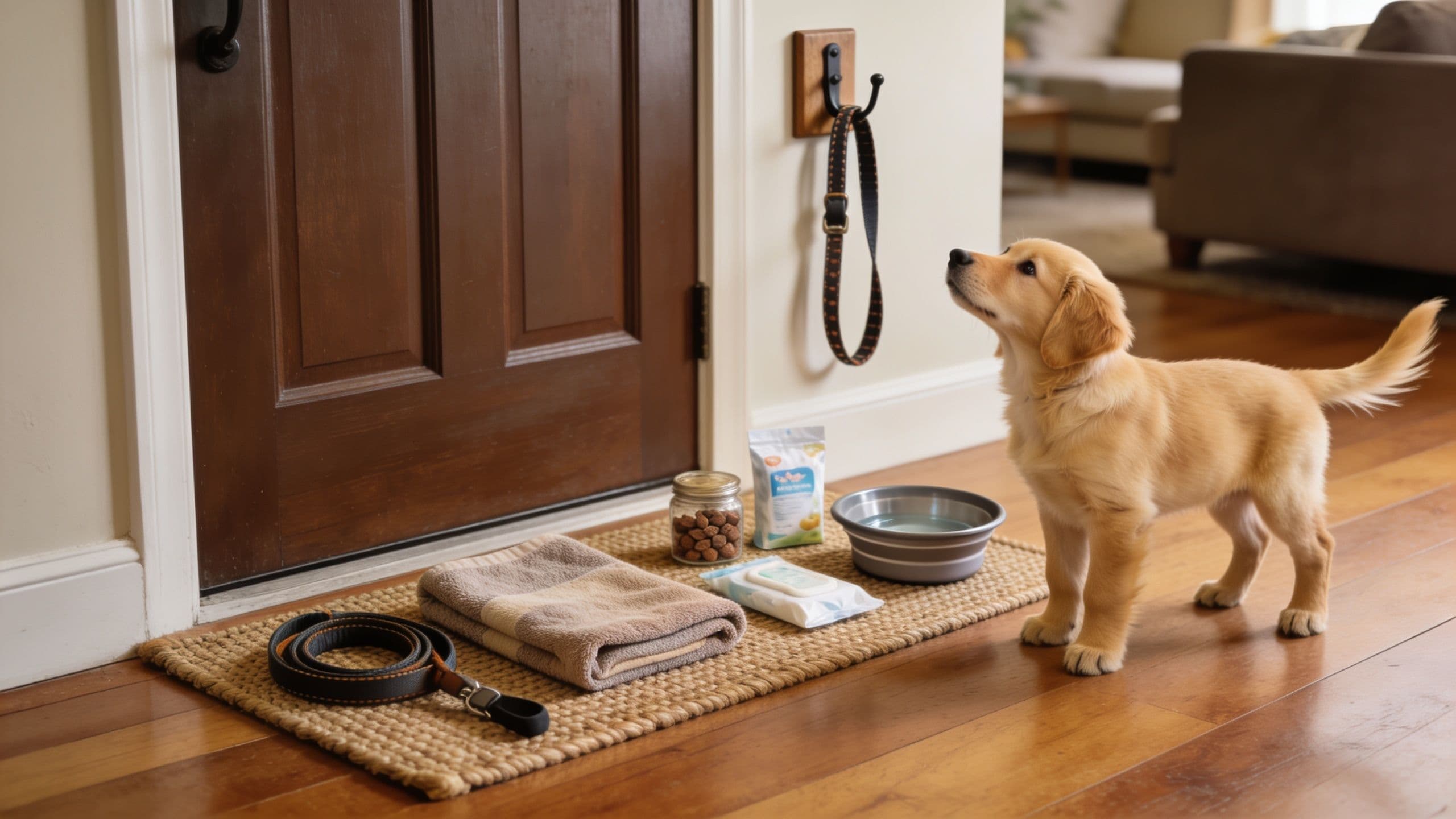
The most effective pet-organization upgrade is rarely a bigger closet or a prettier basket. It is a better first stop. When the area by the door works like a dedicated landing strip for your pet, departures get faster, returns get cleaner, and the low-grade chaos around walks, muddy paws, and missing waste bags drops sharply.
This setup works because it targets the exact moment when pet gear tends to scatter: the transition between inside and outside. Instead of storing leashes in one room, towels in another, and treats wherever there is space, a landing strip creates a compact operational zone that supports the routines you repeat every day.
Build the zone around the walk, not the storage
A pet landing strip is less about buying matching containers and more about mapping the sequence of what happens at the door. For most households, that sequence is simple: clip leash, grab bags, head out, come back, wipe paws, hang gear, reset.
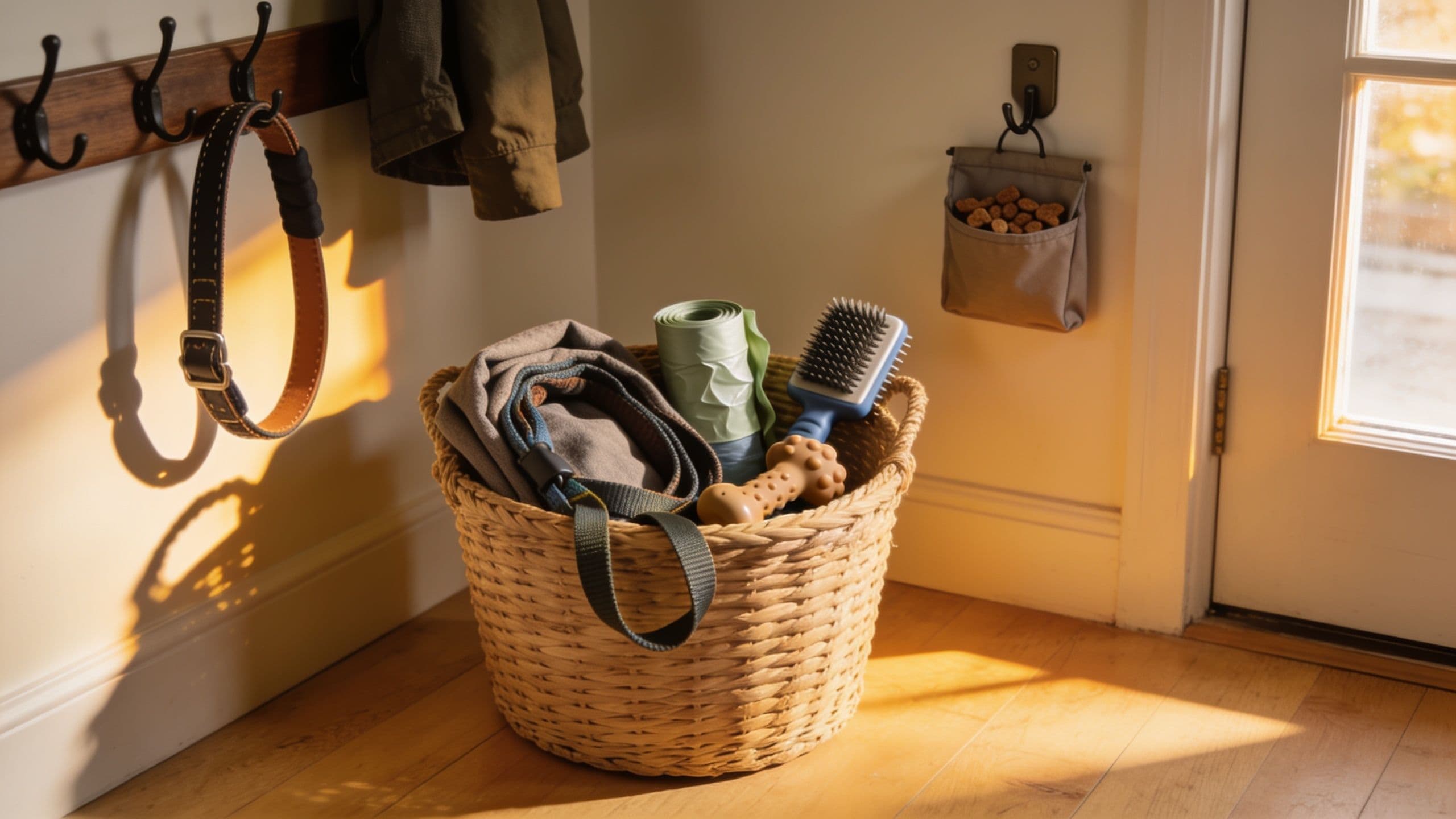
The most useful version usually includes:
Leash hooks at hand height so collars, harnesses, and leads are visible
Waste-bag storage that can be refilled quickly
A treat jar or tin for reinforcement near the door
Pet wipes or a small cleaning caddy for muddy paws and quick messes
A towel basket for rainy days or beach and park visits
A tray or mat for wet boots, pet shoes, or muddy gear
If your pet has a more specific routine, build for that instead of following a generic checklist. A city dog may need a compact leash-and-bags station in a narrow entry. A suburban household with a yard may need a towel-heavy setup near a mudroom. A cat owner who uses a harness for outdoor time might need just a slim hook rail and a closed basket for treats and wipes.
The key is proximity. Anything you use during the transition should live within reach of the door, not somewhere theoretically logical but practically inconvenient.
Why the first three feet inside the door matter so much
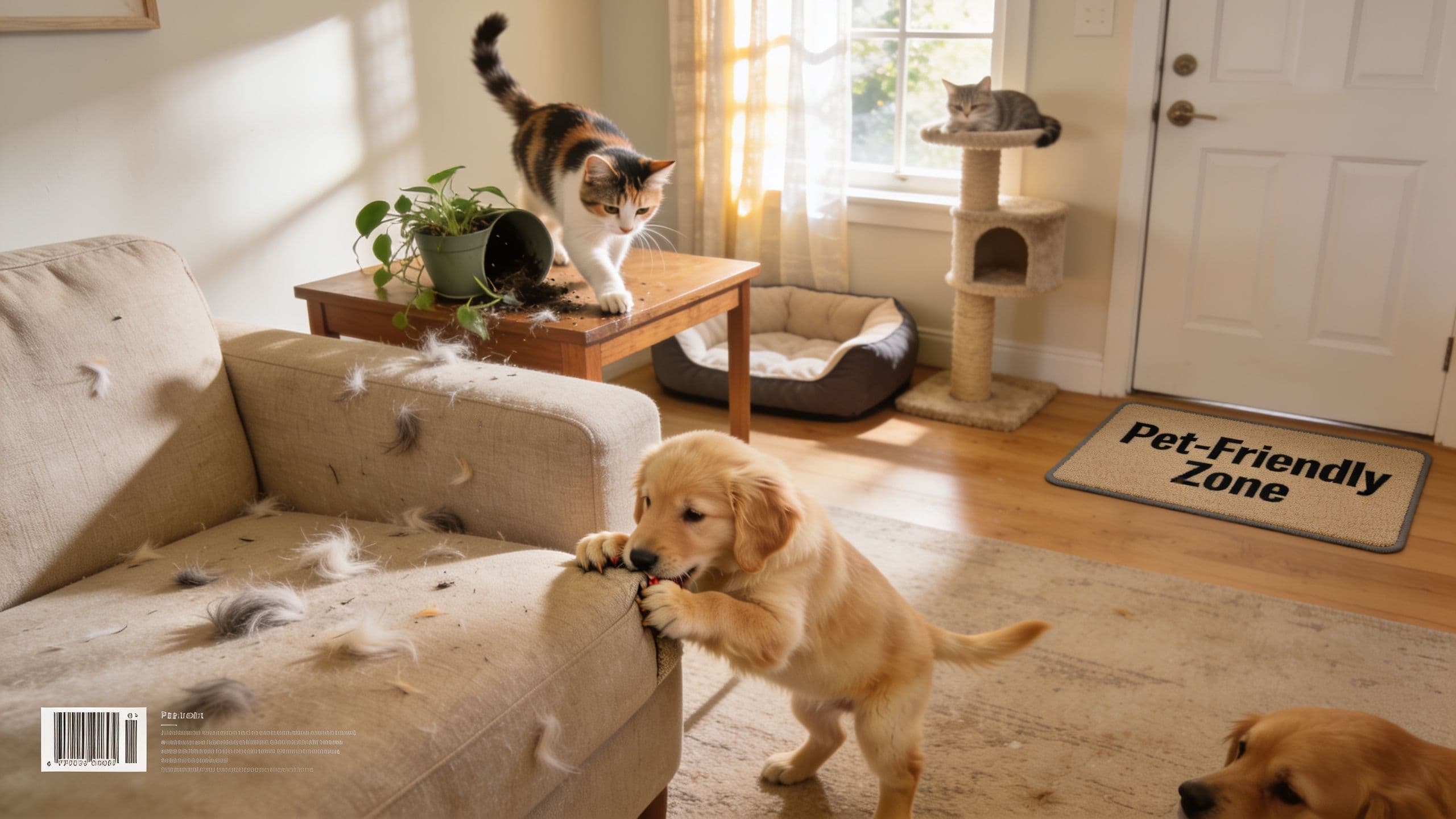
Entry zones carry a disproportionate amount of friction. That is where you realize the leash is upstairs, the waste bags are empty, the towel is in the laundry, or the dog has already tracked in rainwater before you can react. A landing strip removes those tiny interruptions that make everyday routines feel harder than they are.
Smoother departures
When everything is staged in one place, leaving the house becomes almost automatic. That matters on rushed weekday mornings, during late-night walks, or anytime a pet is visibly ready to go before you are. You are less likely to forget essentials, and the pet picks up on a more consistent flow.
Cleaner returns
The return home is where the system proves itself. A towel in the right basket, wipes within reach, and a defined spot for wet harnesses can stop moisture, dirt, and odor from moving deeper into the house. Even a simple absorbent mat can contain a surprising amount of mess if it sits exactly where the dog lands after the walk.
Better guest management
A well-planned entryway also helps when deliveries arrive or guests come over. Leashes are accessible, treats are nearby for redirection, and there is a clearer place to manage the dog before the front door becomes a frenzy point. In homes where pets tend to crowd the entrance, that predictability can make arrivals feel more controlled.
Fewer duplicate purchases and mystery clutter
A surprisingly common side effect of scattered pet gear is accidental overbuying. Extra wipes, duplicate bag rolls, loose treats, random towels, and spare collars accumulate because no one can see what is already on hand. A landing strip gives those items a home and makes inventory visible.
The best setups look intentional, not pet-store temporary
The phrase "pet station" can suggest bulky plastic bins or visually noisy accessories, but the most successful versions often borrow from good entryway design rather than specialty pet furniture.
Wall hooks in wood or matte metal, a narrow shelf, a lidded basket, a ceramic jar, and a washable runner can look fully integrated with the rest of the home. Brands like IKEA, Yamazaki Home, The Container Store, and West Elm all sell entryway pieces that adapt well to pet use without advertising themselves as pet storage.
A few design principles matter more than style category:
Keep open storage limited. One or two visible items, like a leash and a jar, feel orderly. Five kinds of gear hanging out in the open usually read as clutter.
Use closed storage for backups. Extra bag rolls, refill wipes, medications approved for your pet routine, or seasonal gear should be tucked away.
Choose washable materials. Entryway textiles and containers should tolerate moisture, fur, and frequent handling.
Make the reset obvious. Hooks should be easy to use one-handed. Baskets should not require careful folding or stacking.
If the setup is too fussy, it will fail under real-life timing.
Small-space versions can work better than oversized mudrooms
A compact apartment entry often produces a sharper system because every item has to earn its place. You do not need a dedicated mudroom to make this concept work.
For a small entryway, a strong formula is:
a vertical hook rail
a slim wall shelf
a narrow basket underneath
a machine-washable mat
That combination creates layers without taking much floor space. The shelf can hold treats, wipes, and keys. Hooks handle the leash and harness. The basket stores towels or a small stock of essentials. If visual calm matters, choose one basket with a lid and keep only the active leash visible.
In larger homes, the risk is usually the opposite: too much space leading to diffuse storage. A mudroom with cubbies, cabinets, and benches can still become inefficient if pet items spread across multiple zones. Even in a big house, it helps to designate one exact door as the pet exit and organize around that route.
Hidden storage versus visible storage depends on your habits. If you are disciplined about putting things away, cabinets can keep the area cleaner-looking. If you routinely drop gear in a hurry, open hooks and bins are more realistic. The right answer is the one you will maintain on tired, rainy, inconvenient days.
The mistakes that quietly break the system
Most entry setups fail for predictable reasons, and they usually have less to do with aesthetics than with friction.
Overstuffing the zone
When the landing strip becomes a catchall for every pet product in the house, it stops being functional. The door area should hold only active, high-frequency items. Backup food, grooming tools, extra toys, and bulk supplies belong elsewhere.
Storing things below the point of convenience
If wipes are buried in a drawer behind other items or the towel basket is too far from where the dog stands, people will skip the step. The most-used items should require almost no thought or movement.
Ignoring the return-home routine
Many people organize for leaving and forget to organize for coming back. But muddy paws, wet coats, and used gear are what create the biggest mess. Design the landing strip around re-entry just as much as departure.
No reset habit
A landing strip only works if it resets after each outing. Refill the bags when they run low. Put the leash back on the hook. Replace the used towel. Toss dead treat crumbs. The routine takes less than a minute, but it is what turns a storage idea into a dependable system.
A simple rule helps: after every walk, restore the zone to ready-state for the next one.
The appeal of a pet landing strip is that it solves several small problems at once without asking for a renovation. It reduces visual clutter, shortens departure time, keeps outdoor mess closer to the threshold, and makes the home feel like it is working with your routines instead of against them. For pet owners who want more order without a house full of bins and labels, fixing the first few feet inside the door is often the smartest place to start.
Safety & Scope
This article is for general informational purposes and does not replace professional advice for complex repairs or installations.
Frequently Asked Questions
+What should I keep by the door for dog walks?
Keep the items you use every time: leash, harness, waste bags, treats, wipes, and a towel. If your dog often comes back wet or muddy, add a washable mat and a basket for cleanup supplies.
+How do I organize pet gear in a small entryway?
Use vertical space first. A hook rail, a slim shelf, and one compact basket can hold most walk essentials without crowding the floor. Keep only daily-use items by the door and store backup supplies elsewhere.
+Why does an entry setup make pet routines easier?
It reduces the friction around leaving and returning home. With everything in one place, you are less likely to forget items, and you can handle muddy paws, wet gear, and door-time excitement faster and with less mess.