Why Some Cats Patrol the House After You Go to Bed
Those soft footsteps after midnight are often a cat’s version of a routine property check. Once the house goes quiet, many cats use the calmer hours to inspect rooms, revisit windows, and confirm that their familiar territory still feels right.
Maya covers pets & animal lifestyle with an emphasis on practical analysis, products, and real-world impact.
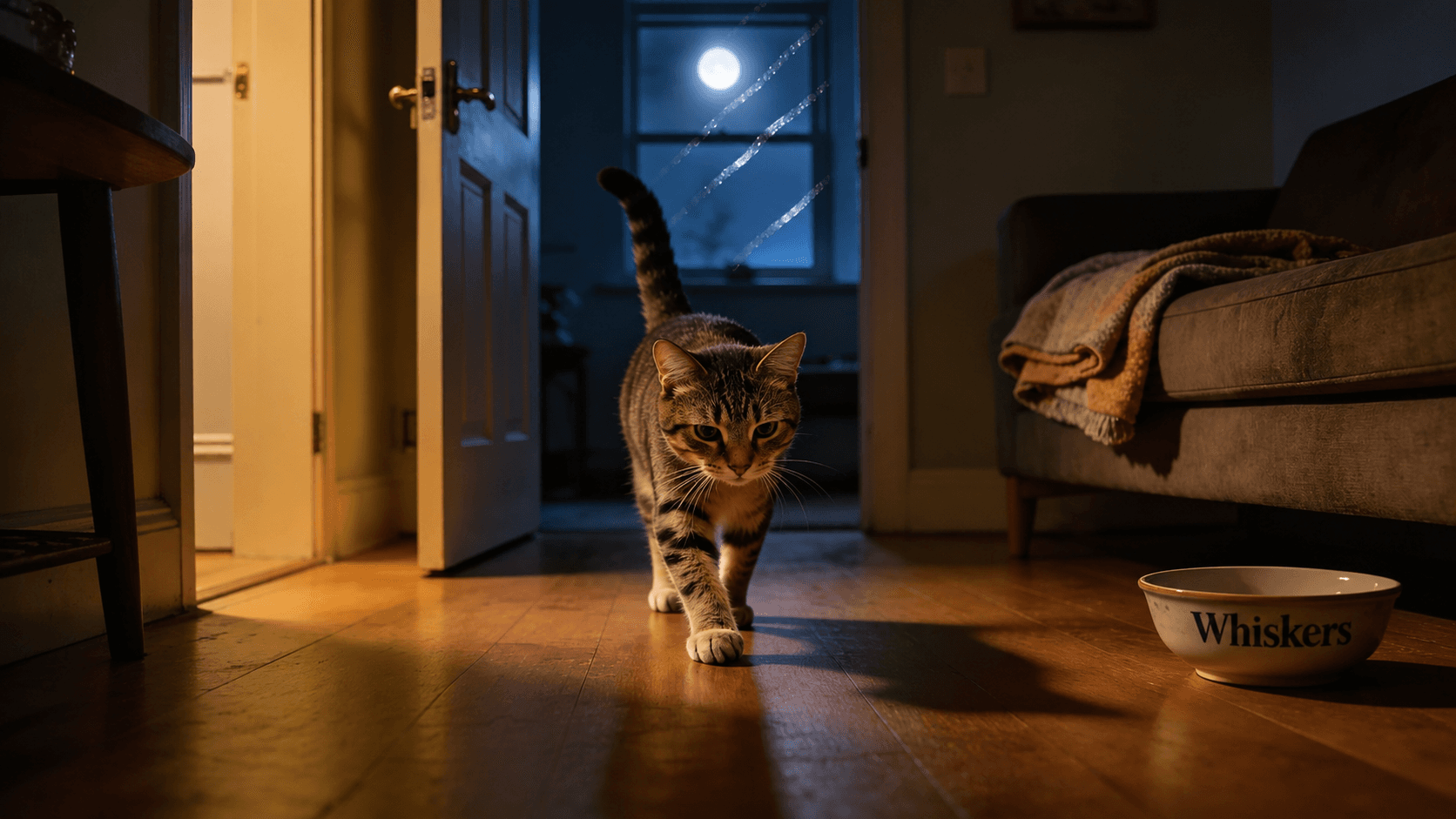
When the house finally settles, some cats seem to clock in. They pad down hallways, pause in doorframes, leap onto a chair, stare at a dark window, then move on as if they are following a checklist. To a sleepy owner, it can feel mysterious or theatrical. To the cat, it is often just a practical use of the quietest part of the day.
Nighttime patrols are usually a mix of curiosity, sensory opportunity, and habit. Cats are built to notice subtle changes in their environment, and the hours after bedtime give them a cleaner stage: fewer footsteps, fewer voices, and fewer daytime disruptions competing for their attention.
The quiet house gives cats a different kind of map
A home at 11 p.m. is not the same place it was at 3 p.m. Sound changes first. Appliances hum more clearly. A neighbor’s door closes down the hall. A branch taps a window. Small movements outdoors become easier to hear and easier to investigate.
Cats are naturally attentive to these shifts. A room that was busy and predictable during the day can become newly interesting once traffic stops. That is why a nighttime patrol often includes slow room-to-room walking, pauses at thresholds, and deliberate checks of windows or entry points. The cat is not necessarily alarmed. It may simply be using a better sensory moment to gather information.
There is also a traffic advantage. During the day, people interrupt cat routes constantly: walking through rooms, opening cabinets, vacuuming, moving laundry, talking on phones. At night, a cat can inspect the same spaces without being redirected every few seconds. Quiet hours can feel like open access to the whole territory.
For indoor cats especially, the home is the entire world. Re-checking that world is a normal way to stay oriented.
What a patrol usually includes, and why it looks so deliberate
Owners often describe a similar pattern: hallway pass, living room pause, jump to a windowsill, brief stop near the bedroom, then a circuit back through the kitchen. The repetition makes it look purposeful because it usually is.
Some cats seem to follow a route tied to vantage points. They stop where they can collect the most information: a doorway with a sightline into two rooms, the back of a sofa, the foot of the bed, or a window facing outdoor activity. Vertical spaces matter here. A cat tree, bookshelf top, or stair landing can turn into a regular checkpoint because it offers visual control with minimal effort.
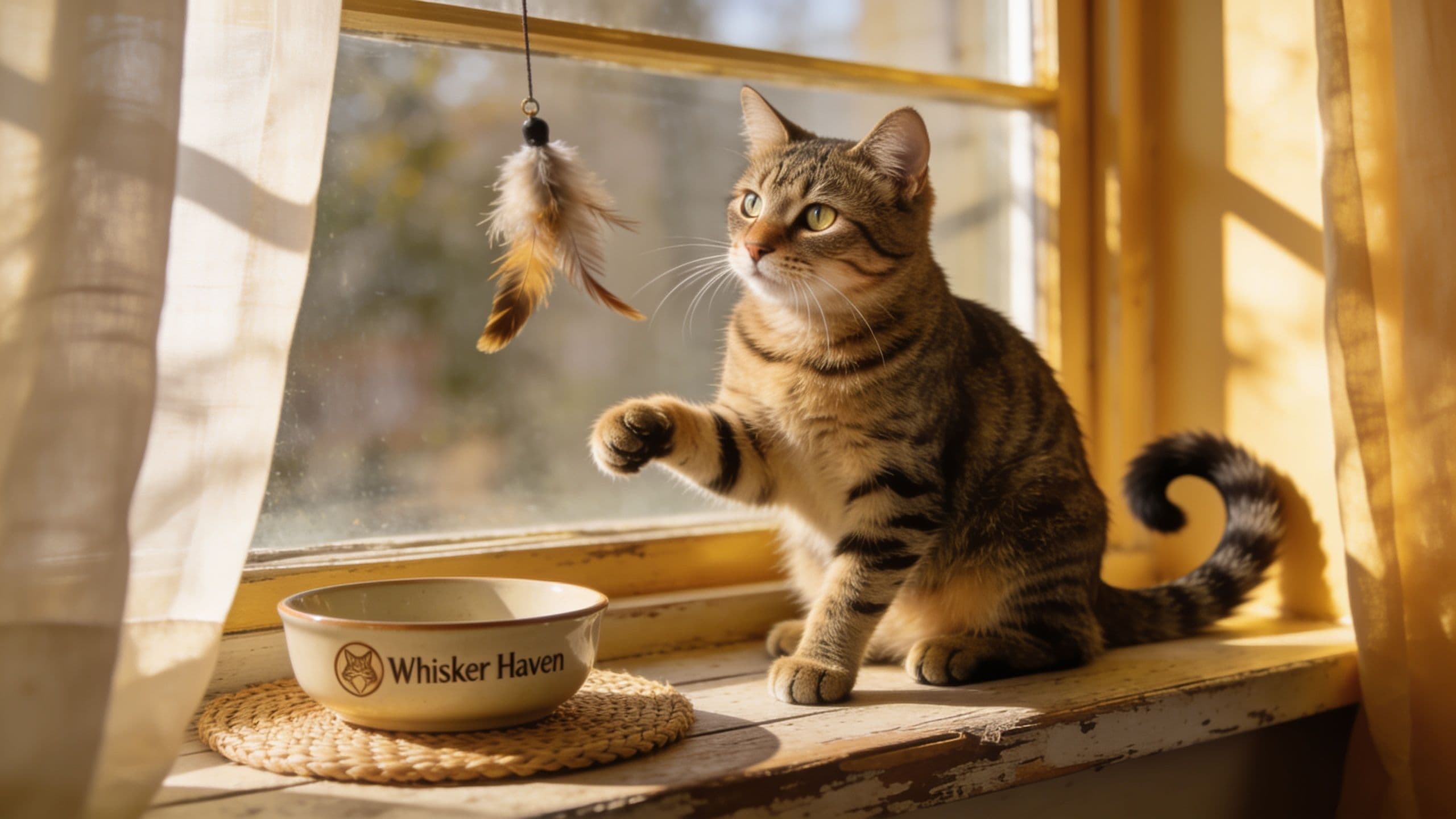
Windows are another common stop. Outdoor motion that goes unnoticed in daylight can become highly visible at night: insects drawn to exterior lights, passing cars, raccoons, neighborhood cats, or just shifting shadows. A cat that appears to be “guarding” the house may simply be monitoring a highly stimulating view.
Then there are the pauses near sleeping humans. Many cats include the bedroom in their rounds, not because they are formally checking on you in a human sense, but because you are part of the environment they track. They know where the household members usually are, and your presence, scent, and breathing are all familiar signals. A brief doorway stop or bed jump may be a social check-in as much as a territorial one.
Personality shapes the night shift
Not every cat patrols for the same reason, and personality changes the tone of the behavior.
The confident explorer
Some cats simply enjoy inspection. These are the cats that notice every moved bag, open closet, or newly delivered box. At night, that curiosity continues in a slower, more methodical form. Their patrols can look almost ceremonial because they revisit familiar spots even when nothing has changed.
The social checker
Other cats are less interested in windows and more interested in people. They make rounds that repeatedly pass through the bedroom, child’s room, or home office. If your cat walks the hall, steps onto the bed, then leaves again, that may be less about restlessness than reassurance through routine. Social cats often weave patrol behavior together with brief contact, such as a nudge, a purr, or settling nearby for a few minutes.
The outside watcher
Some cats are strongly drawn to exterior movement. These cats may spend long stretches by a door or window after dark, especially if there is wildlife, street activity, or other neighborhood cats nearby. Their patrol can become a series of targeted checks on those high-interest zones.
The easily activated cat
A more reactive cat may patrol because nighttime sounds trigger investigation. Ice makers, heating systems, hallway noise in an apartment building, or movement from another pet can all keep a sensitive cat circulating. In these cases, the behavior is still often normal, but the cat is responding to more environmental input than a laid-back housemate would.
Home setup quietly encourages the routine
A cat’s nighttime path is often designed by the house itself.
Open doors create a larger route. Closed doors create checkpoints. If the bedroom door is shut, a cat may pause, scratch lightly, or linger outside because the patrol has hit a boundary. Long hallways invite pacing. Stairs encourage up-down circuits. Hardwood floors make every pass sound dramatic, while carpet can hide a cat’s entire second shift.
Lighting matters too. A small amount of ambient light from a window, router, appliance, or nightlight can be enough for a cat to move confidently and continue surveying preferred areas. Total darkness rarely stops a healthy cat from navigating, but subtle light can make window watching and room-to-room scanning even more rewarding.
Access to elevated spots can also increase patrol behavior. If your cat can move from sofa to shelf to cat tree to windowsill, the route becomes richer and more stimulating. Remove those options, and the same cat may patrol less broadly or make more noise on the floor instead.
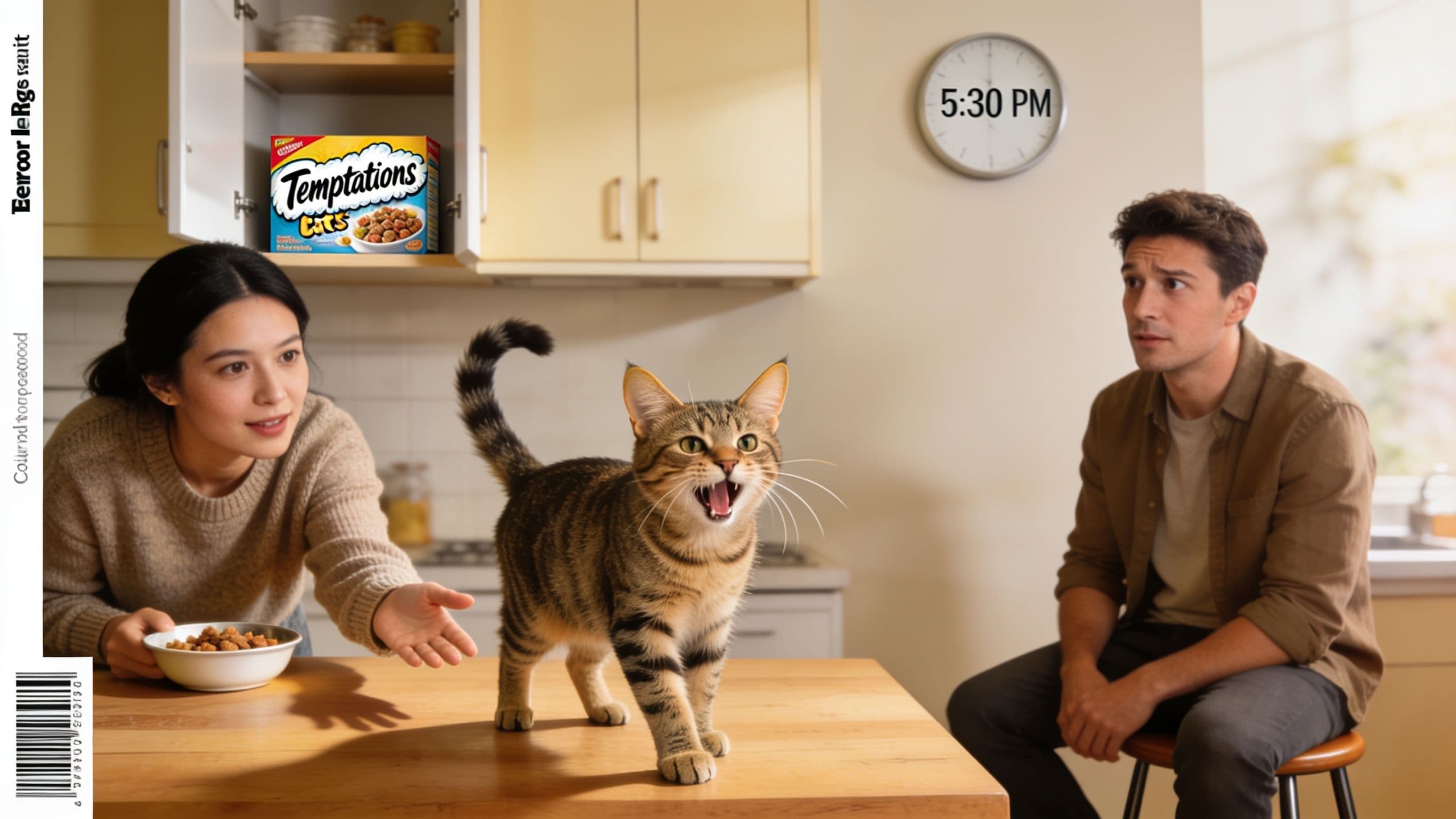
The evening schedule contributes as well. Cats that nap through much of the evening may become active once the household goes inactive. If dinner, play, and social attention end abruptly at bedtime, a patrol can act as the cat’s leftover occupation.
How to work with nighttime activity without turning it into a battle
For many cats, nighttime patrols are a predictable household ritual, not a problem to solve. The goal is usually to reduce disruption rather than eliminate the behavior.
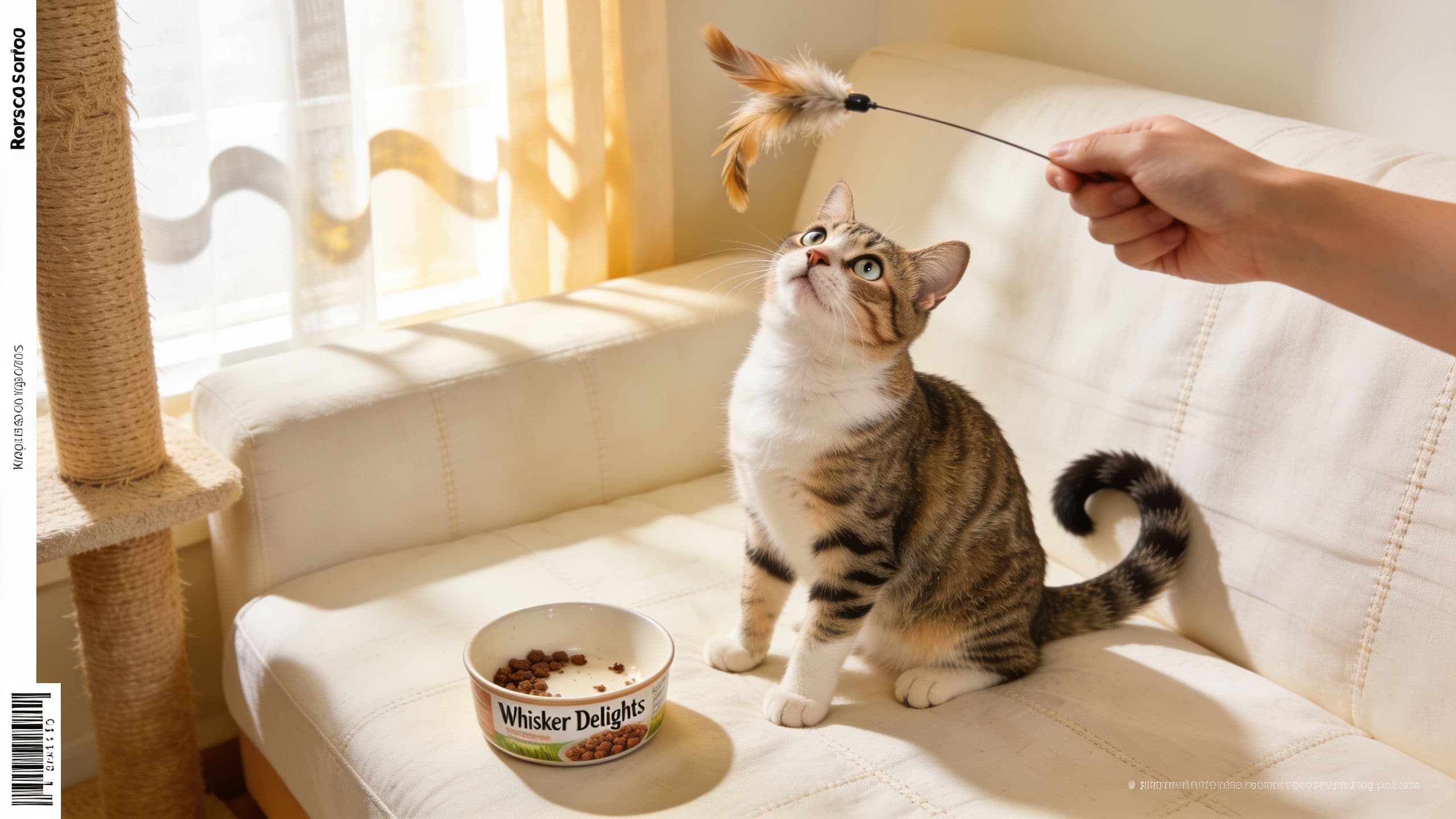
A focused late-evening play session can help. Wand toys, short chase games, or treat hunts give a cat a satisfying outlet before lights out. This works best when it is active enough to feel complete, not just a few distracted tosses of a toy.
A final routine also matters. Many cats settle better when the sequence is consistent: play, food, brief affection or grooming, then bedtime. That pattern can reduce the urge to create extra stimulation through noisy exploration.
If the route itself is the issue, make the route quieter. Add a rug to the loud hallway, secure the blinds that rattle, move a tempting object off a wobbly table, or place a perch near the window your cat already prefers so it stops launching off noisier furniture.
You can also redirect the patrol toward acceptable checkpoints. A bedroom bench, hallway cat tree, or quiet window perch gives the cat stopping points that do not involve knocking things over or stepping on your ribs at 2 a.m.
If a cat’s nightly walking suddenly becomes intense, distressed, or very different from its normal pattern, context matters. Increased vocalizing, agitation, apparent confusion, or inability to settle may deserve a closer look. But in the ordinary version most owners recognize, the patrol is simply part of how a cat uses its territory when the world finally stops moving.
That is the key to understanding those hallway footsteps: your cat is often not wandering aimlessly at all. It is making use of the house in the hours that feel most available, most legible, and most fully its own.
Safety & Scope
This article is for general informational purposes and does not replace professional advice for complex repairs or installations.
Frequently Asked Questions
+Why does my cat walk around the house at night?
Many cats become more active after bedtime because the home is quieter and easier to inspect. They may be checking rooms, listening to subtle sounds, watching windows, or following a familiar route through their territory.
+Is my cat checking on me while I sleep?
Sometimes, yes, but usually as part of a broader routine rather than a human-style welfare check. Cats often include sleeping household members in their nighttime rounds because your location, scent, and presence are part of the environment they monitor.
+How can I make nighttime cat activity less noisy?
Try a more satisfying evening routine with active play followed by food, then reduce noise along your cat’s route. Rugs, stable perches, secured blinds, and a preferred window spot can make patrols less disruptive without fighting the behavior itself.