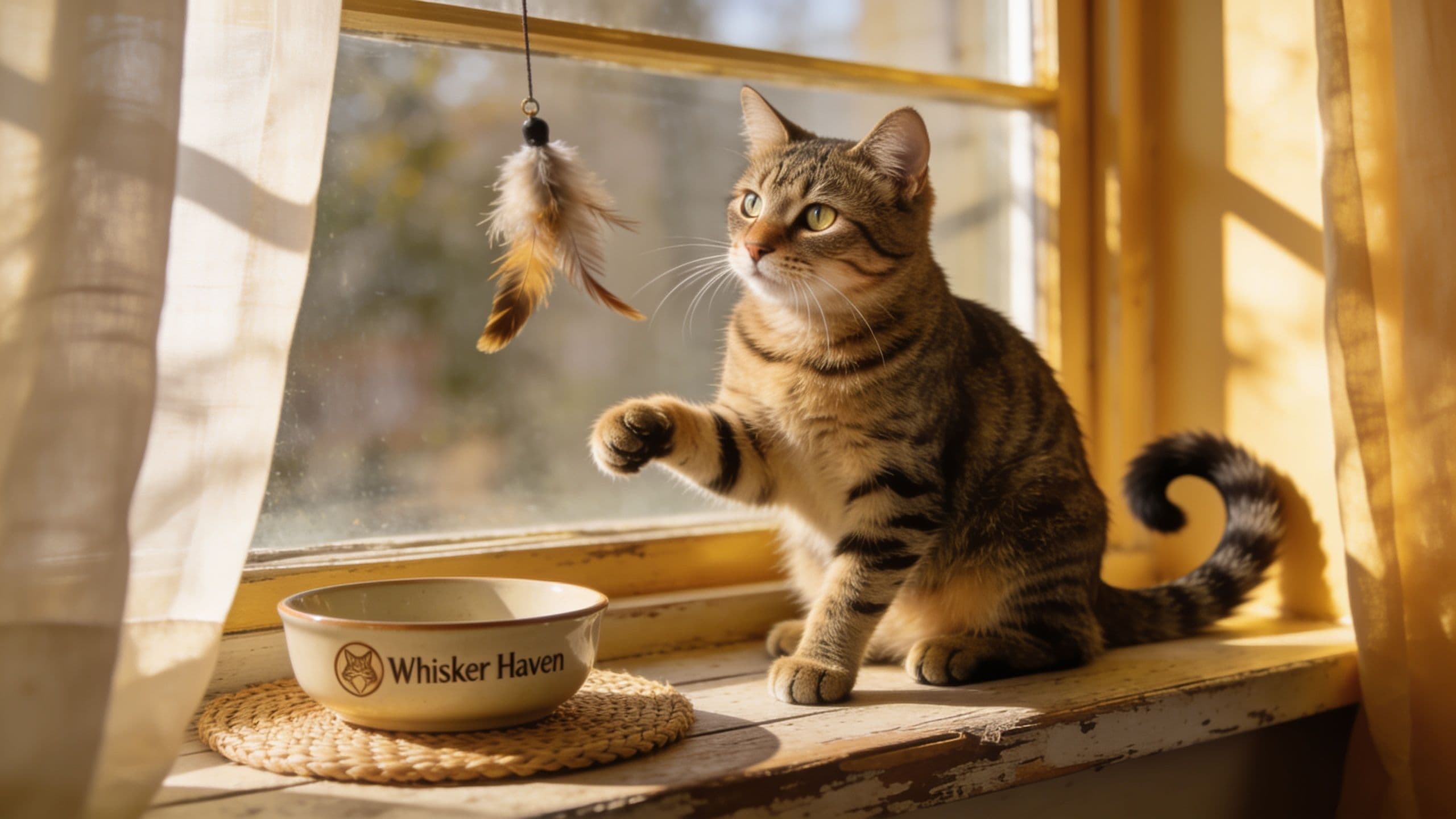
Understanding Cat Personality and Everyday Life for Different Goals
Explore how recognizing your cat’s unique personality can enrich daily routines, strengthen bonds, and align pet care with specific lifestyle goals. Unlock the nuances of feline behavior for a happier home.
Jordan specializes in turning complex pets & animal lifestyle topics into clear, useful explainers for everyday readers.
The Hidden Language of Cat Personality: Why It Matters
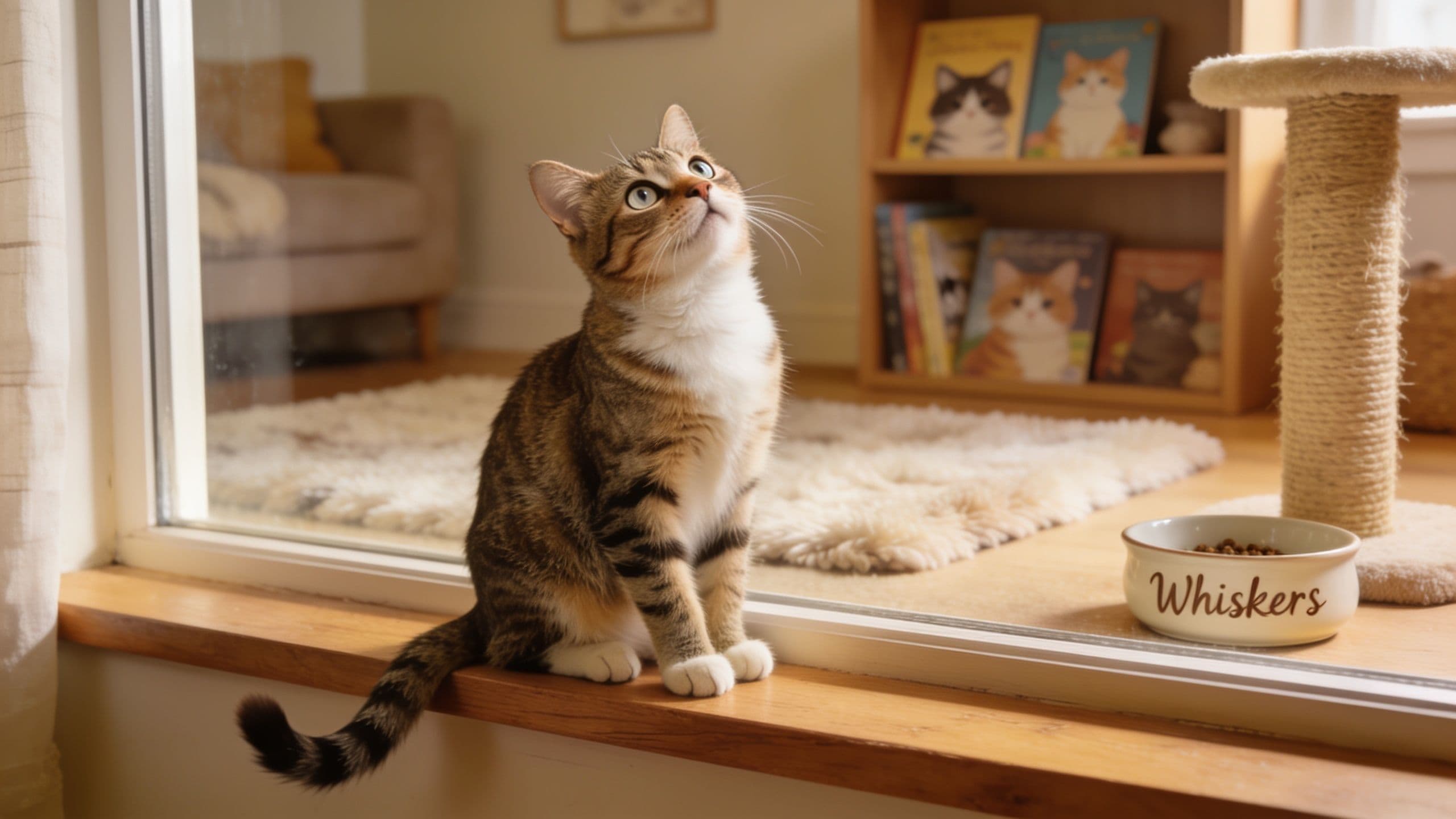
Cats are notoriously inscrutable companions, their moods and motivations often a mystery to even devoted owners. Yet, understanding a cat’s personality isn’t just a curiosity—it’s a game-changer for everyday life. A cat’s temperament influences everything from playtime to comfort with strangers, and tailoring daily interactions to fit individual traits can result in a happier, healthier pet and owner.
Personality in cats, much like in humans, exists along a spectrum. Factors including breed tendencies, early socialization, and individual experience combine to create distinct behavioral patterns. For example, a sociable Siamese may crave interaction and vocal communication, while a reserved British Shorthair might prefer quiet corners and minimal handling.
Recognizing these nuances helps owners set realistic expectations and create environments where their cats thrive. This awareness also supports specific goals like reducing stress in multi-cat households, managing behavioral challenges, or enhancing the human-animal bond.
Aligning Personality with Lifestyle Goals
Every cat owner has different goals—from creating a calm sanctuary to encouraging playful engagement. Matching personality insights with these goals unlocks practical strategies.
1. Building a Strong Human-Cat Bond
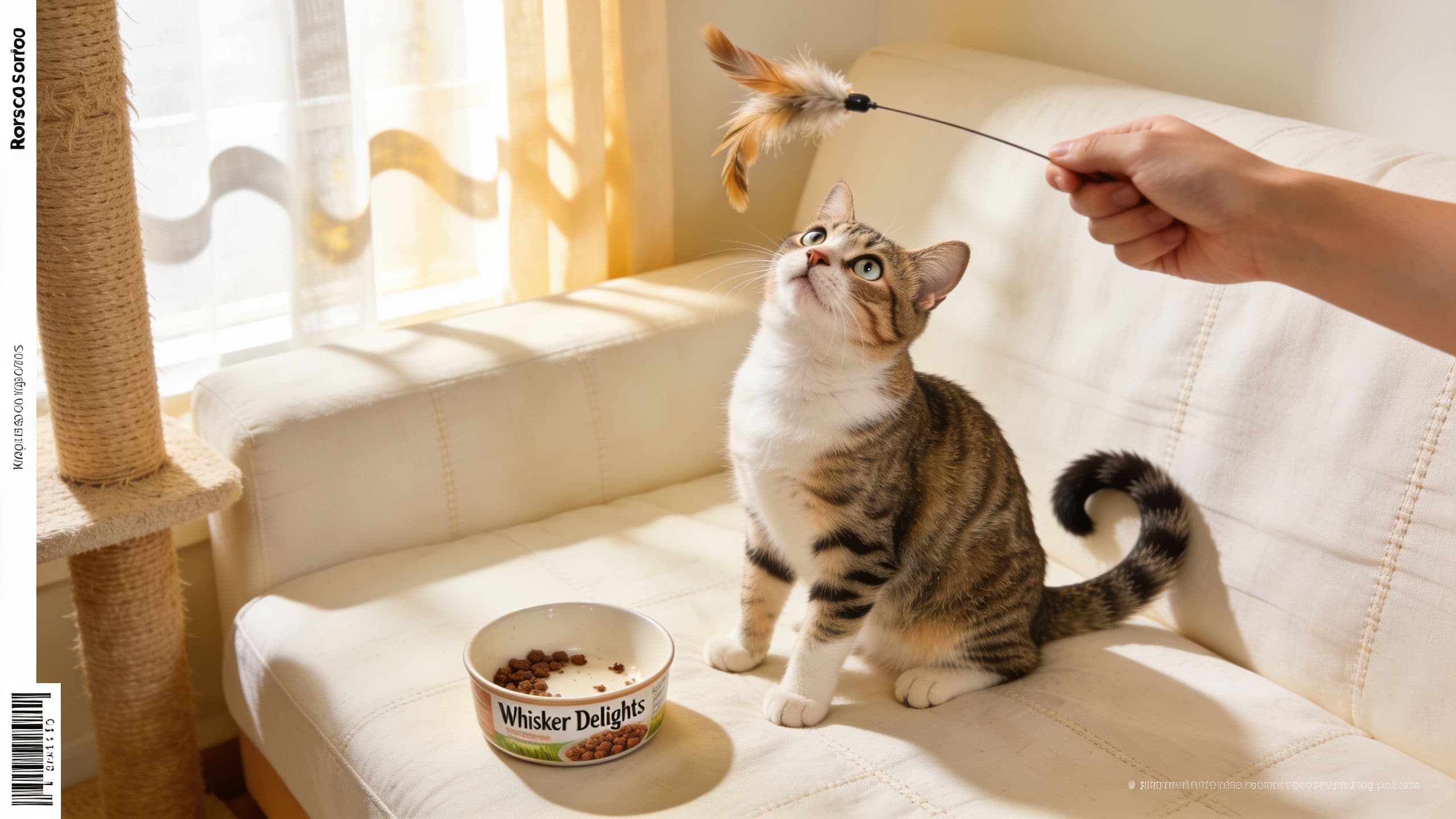
Cats that show curiosity and engagement benefit from interactive routines. Interactive toys, gentle grooming sessions, and scheduled playtime provide mental stimulation and foster trust. For the more introverted feline, quiet companionship and respect for personal space can be just as bonding. An example is a meticulous cat owner of a shy rescue focusing on gentle voice tones and slow, deliberate movements to avoid intimidation.
2. Encouraging Socialization and Reducing Anxiety
Cats fearful of strangers or other pets need patience and gradual desensitization. Structured exposure, use of calming pheromones, and safe retreat spaces can ease anxiety. Consider a multi-cat household where one cat’s dominant personality causes stress for more submissive cats—understanding this dynamic allows for environmental modifications, such as separate feeding areas and vertical spaces for escape.
3. Enhancing Play and Physical Activity
Energetic breeds like Bengals and Abyssinians thrive on dynamic play. Owners aiming to channel this energy should prioritize puzzle feeders, high perches, and frequent play sessions to avoid destructive behaviors. Conversely, sedentary cats demand gentle encouragement; interactive but low-intensity games can boost activity without overwhelming them.
Everyday Scenarios: Adapting to Your Cat’s Nature
Consider real-world situations where personality-informed approaches prevent frustration and promote wellbeing.
Travel and Vet Visits: Cats with nervous energy or those resistant to changes benefit from travel crates with familiar bedding and pheromone sprays to calm nerves. Owners preparing for vet visits with skittish cats find success by acclimating them gradually to carriers.
Home Changes: Moving or introducing new family members can unsettle cats that thrive on routine. Predictable feeding times, maintained favorite resting spots, and quiet zones help stabilize routines.
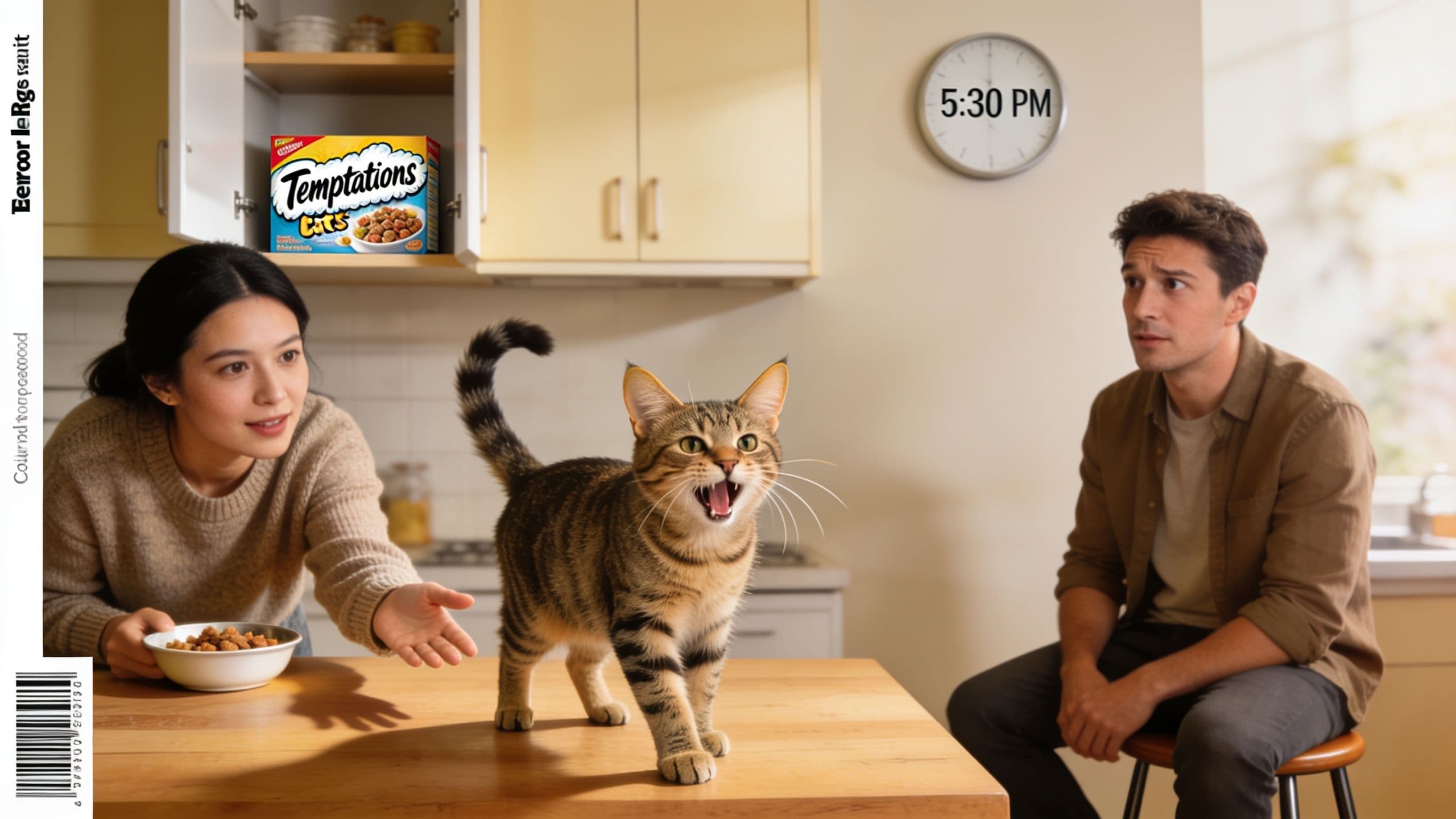
Meal Preferences and Habits: A finicky eater may reveal underlying preference rooted in personality; anxious cats might eat better in quieter, private locations. Tailoring feeding locations and methods can dramatically improve nutrition adherence.
Common Pitfalls and How to Avoid Them
Ignoring personality differences often leads to stress—for cats and people alike. Common mistakes include forcing attention on a reserved cat, misinterpreting vocalization intensity, or failing to provide outlets for natural behaviors.
Assuming uniformity: Believing all cats respond identically to stimuli can erode trust and complicate care.
Neglecting mental stimulation: Underestimating the need for engagement in active cats may cause boredom-driven problems like furniture scratching or nighttime hyperactivity.
Overlooking early signs of distress: Subtle behavior changes often signal discomfort—attuned owners detect and address these promptly.
The Reward: A Deeper Human-Animal Connection
Aligning your cat’s personality with daily routines isn’t simply a matter of convenience—it’s a foundation for empathy and mutual respect. Embracing a cat’s individuality empowers owners to help their companions flourish, whether that means creating peaceful retreats, fostering playful adventures, or navigating social challenges.
As pet lifestyles evolve, remaining attuned to personality will continue to be instrumental in crafting rewarding relationships. The journey from curiosity to understanding invites owners into a lifelong dance with their feline friends—one shaped by patience, observation, and love.
By integrating personality insights into everyday care, cat owners don’t just enrich their pet’s life—they transform their own.
Safety & Scope
This article is for general informational purposes and does not replace professional advice for complex repairs or installations.
Frequently Asked Questions
+What should readers understand first about cat personality and everyday life for different goals?
The foundational concept is that cats have distinct personalities that profoundly affect their behavior and needs. Recognizing and respecting these differences enables more effective care, strengthens the human-animal bond, and helps tailor daily routines to specific goals like reducing anxiety or encouraging play.
+What are the most useful examples or use cases for cat personality and everyday life for different goals?
Useful examples include adjusting play strategies for high-energy cats, creating quiet retreat spaces for shy or anxious cats, managing multi-cat household dynamics by understanding dominant versus submissive personalities, and customizing feeding routines based on a cat’s temperament and preferences.
+What mistakes should I avoid with cat personality and everyday life for different goals?
Avoid assuming that all cats respond the same way to attention or environmental changes, neglecting mental stimulation especially for active cats, forcing interaction on reserved cats, and overlooking early signs of stress or discomfort. Tailoring your approach to each cat’s unique personality is essential for mutual wellbeing.